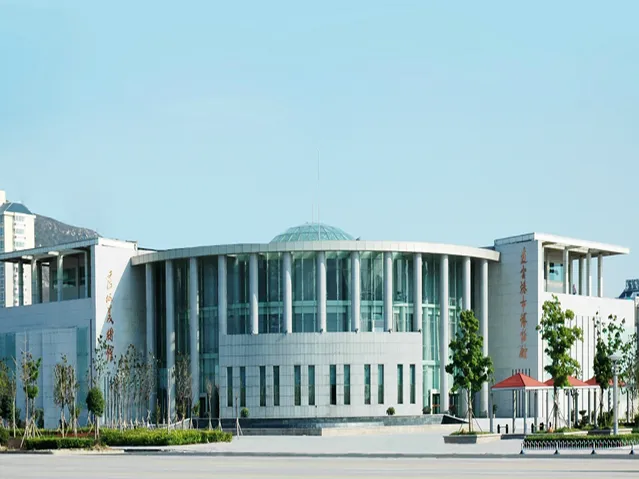
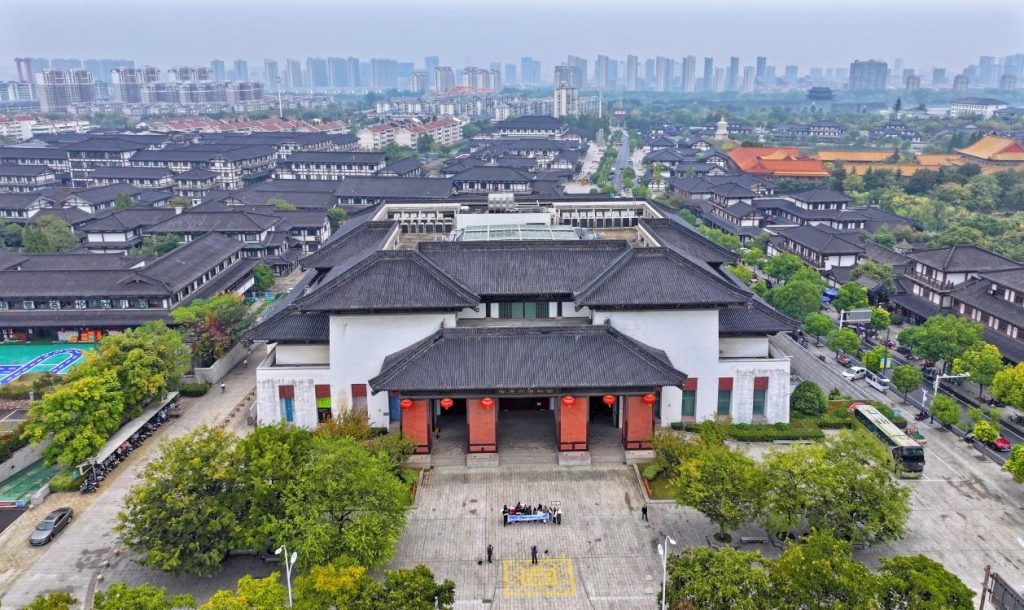
Located at No.68 Chaoyang East Road, Haizhou District, Lianyungang Museum is a National First-Class Museum & AAAA Tourist Attraction. Founded in 1973, it originated from Haizhou Local History Exhibition Room in 1958. The new building opened to public in 2006 and has been free admission since 2008. Covering 45 mu with construction area of 13600㎡, it preserves over 10,000 cultural relics including 419 precious items, recording the coastal civilization, Eastern Han prefecture history and Journey to the West origin culture of Lianyungang
Oriental Dawn: General History Exhibition of Lianyungang
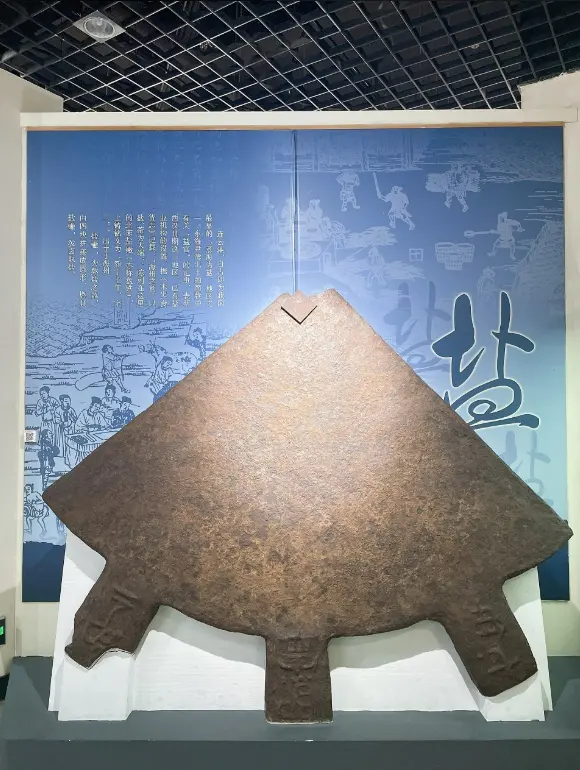
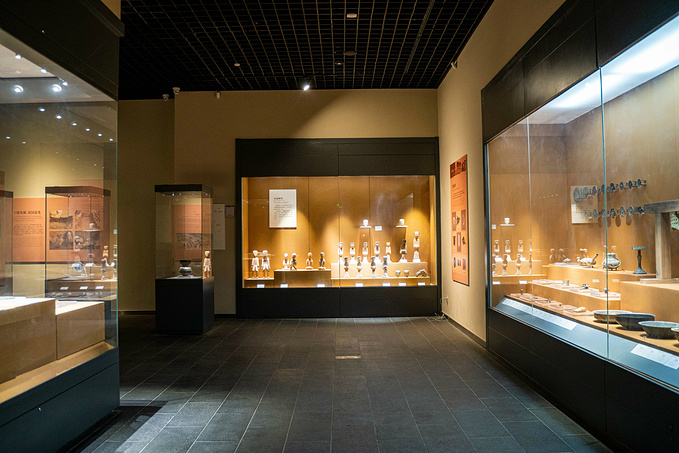
The core permanent exhibition spans prehistoric Tenghualuo ancient city, Dongyi culture, Eastern Han Donghai Prefecture to Ming & Qing dynasties. Highlights include bronze wares, ancient jade, porcelain and Northern Song giant salt-making iron plate, presenting the whole local development history.
An Eternal Mystery: Exhibition of Han Dynasty Mummy Ling Huiping
Home to Ling Huiping, the third well-preserved Eastern Han mummy in China with a history of over 2000 years, alongside burial jade and bronze seal of Han nobles, an important physical evidence of Han noble burial custom.
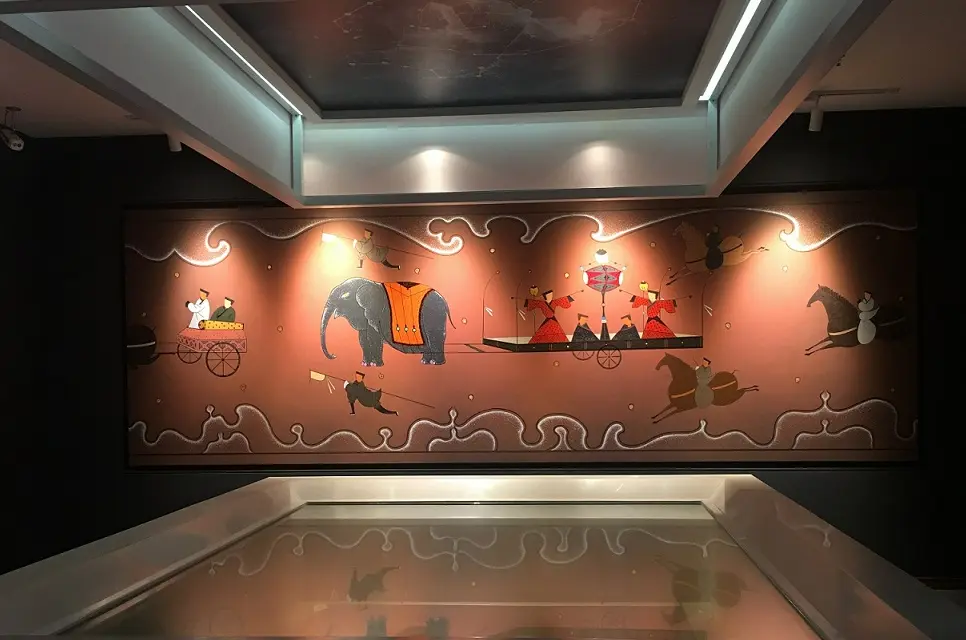
Writings on Ancient Bamboos: Yinwan Han Bamboo Slips Gallery
Yinwan Han Bamboo Slips, the most complete prefectural official documents of Eastern Han Dynasty in China, listed in National Precious Archives Heritage, recording ancient population, tax and military system.
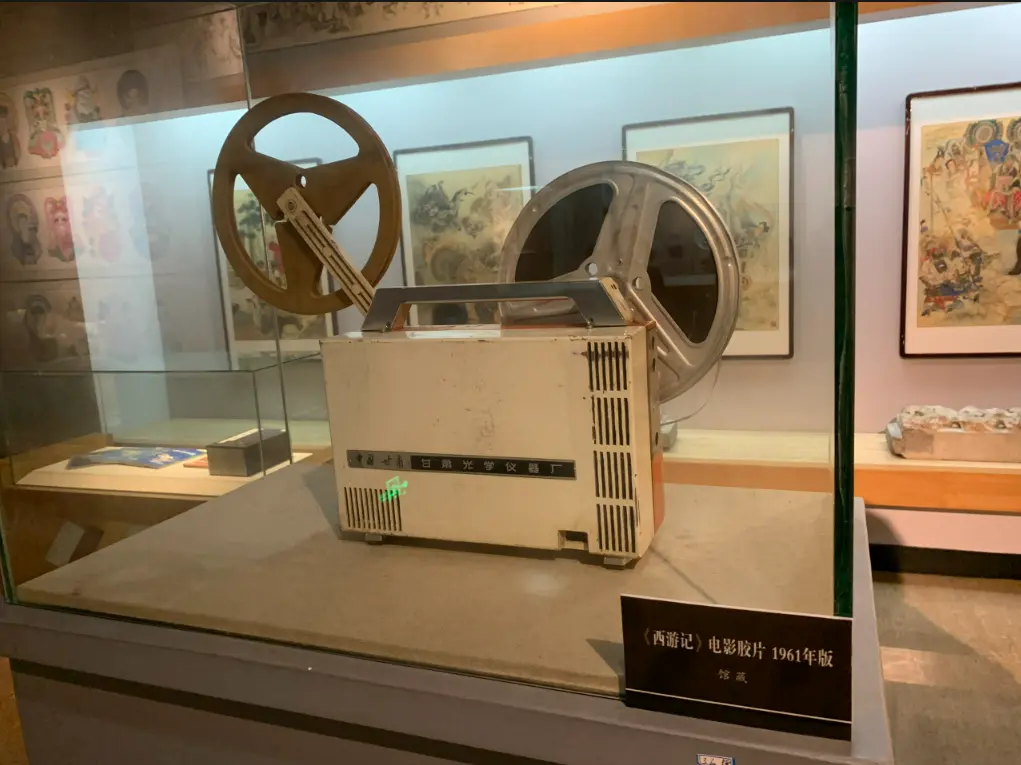
Journey to the West Culture Exhibition Hall
China’s first specialized exhibition about Journey to the West. As Huaguo Mountain is the original setting of the novel, it displays old movie projectors, ancient prints and artworks to introduce Wu Cheng’en’s creation origin in Haizhou.
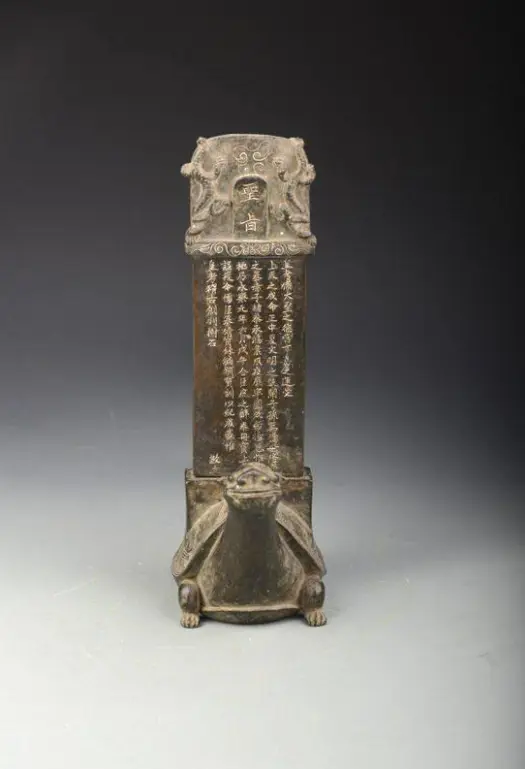
Yan Han Fine Arts Exhibition Hall+Ancient Stone Stele Garden
Art gallery for Yan Han, a famous modern print master; outdoor stele garden collects ancient stone inscriptions from Haizhou.
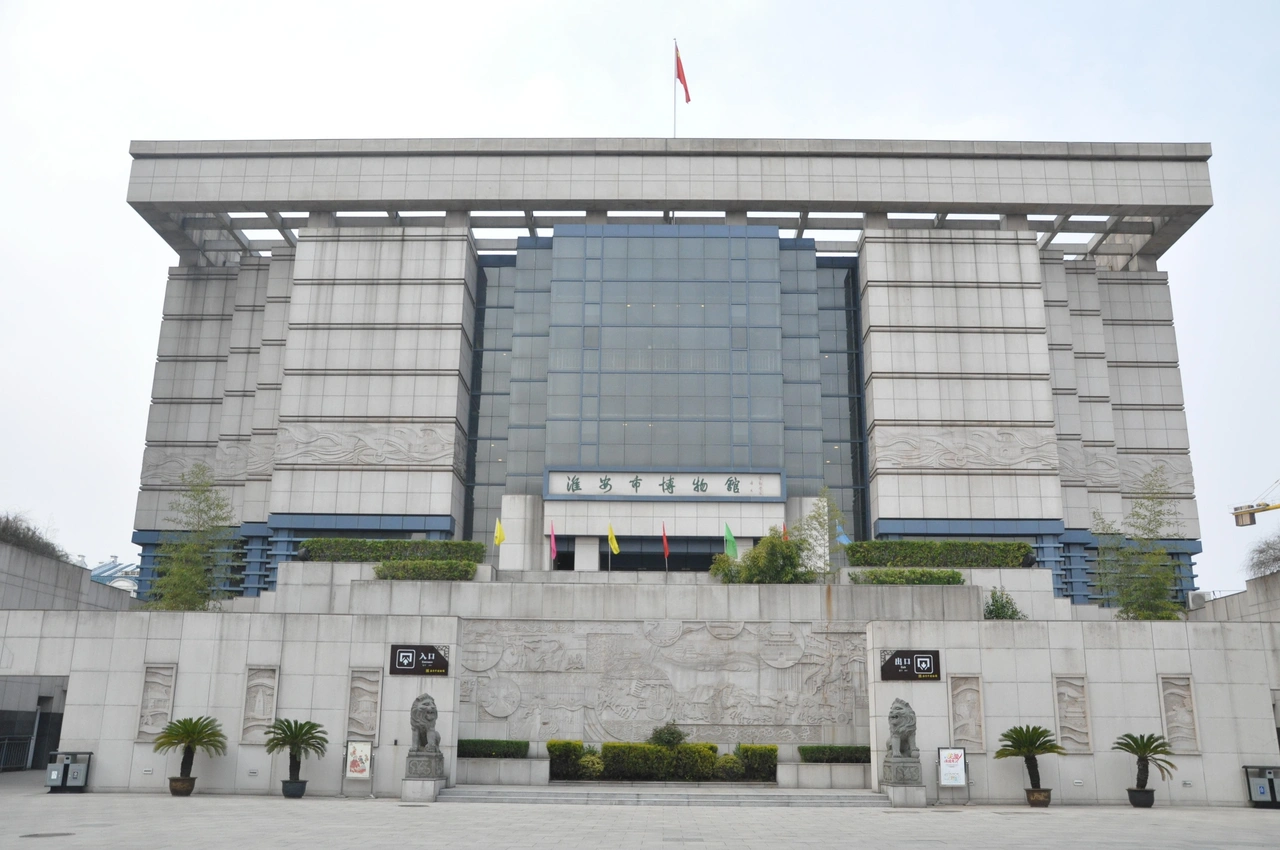
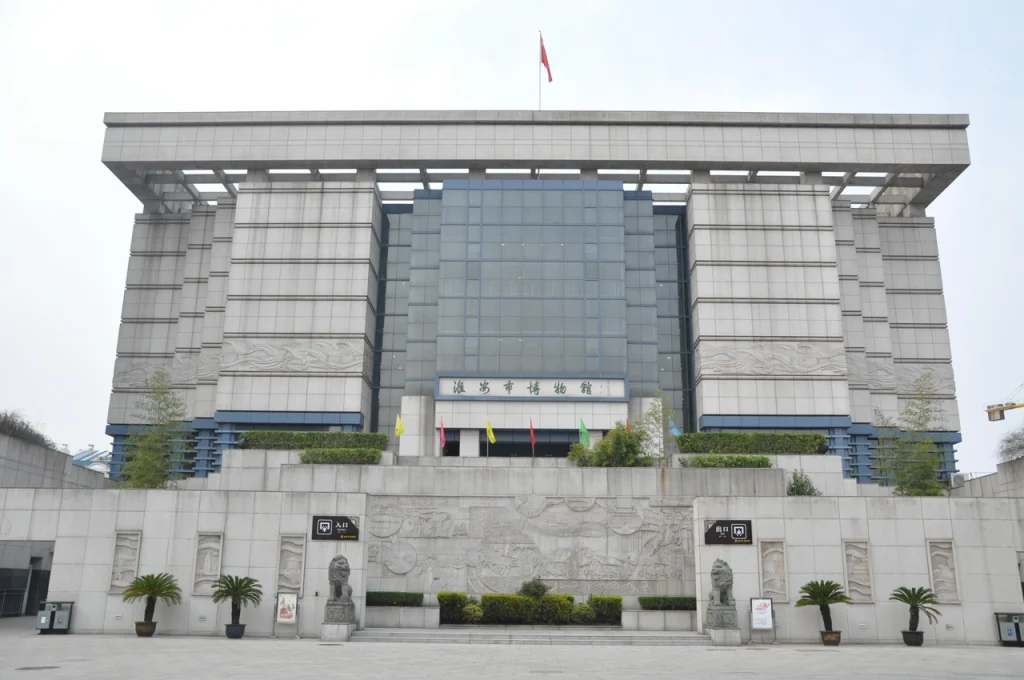
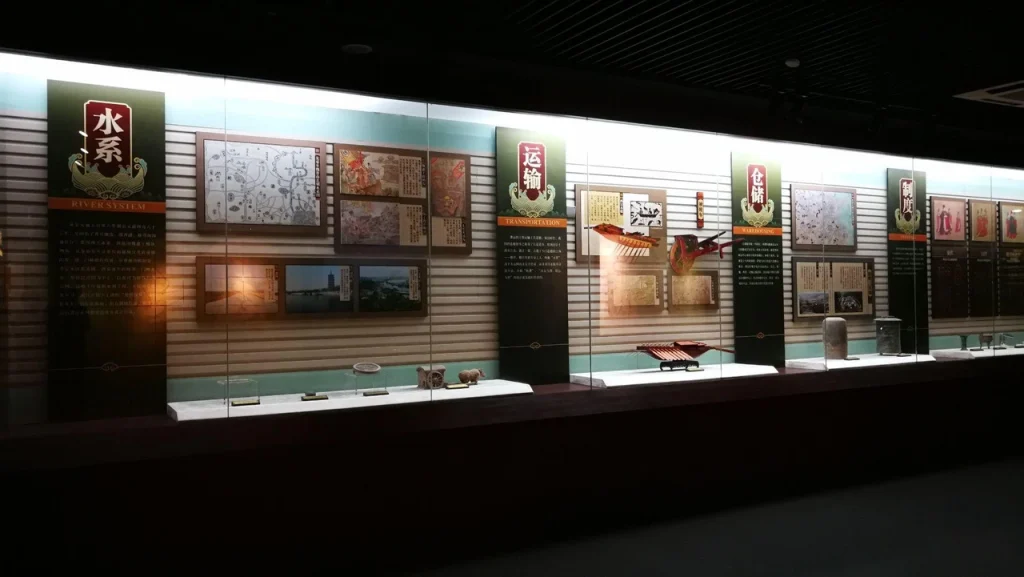
Huai’an Museum is a comprehensive local history museum in Huai’an, Jiangsu Province, originally established in 1959. According to official introductions, it has developed into an important public cultural institution responsible for the collection, preservation, research, and exhibition of regional historical relics. The museum’s modern building combines contemporary architectural design with cultural aesthetics, serving as a key landmark that reflects both Huai’an’s historical depth and its modern urban development. It also plays an important role in showcasing the city’s heritage within the broader context of the Grand Canal civilization.
The museum houses more than 30,000 cultural relics, including over 100 national first-class artifacts, covering categories such as bronze ware, ceramics, jade, calligraphy, and paintings. Its permanent exhibition, themed “National Historical and Cultural City – Huai’an,” presents the city’s long historical development, including ancient civilization origins, Grand Canal transportation culture, and important historical figures. Through a combination of artifacts, documents, and multimedia displays, Huai’an Museum provides a comprehensive and systematic understanding of the region’s cultural evolution and its significance in Chinese history.
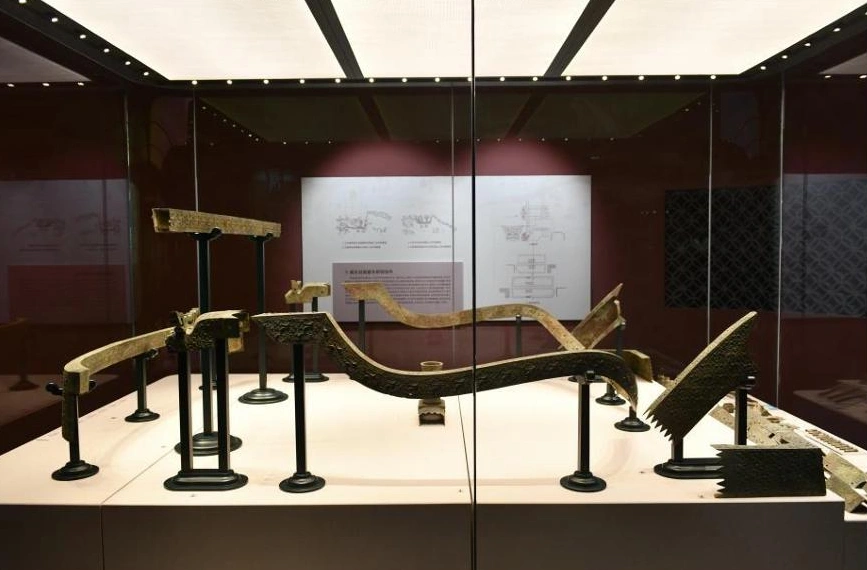
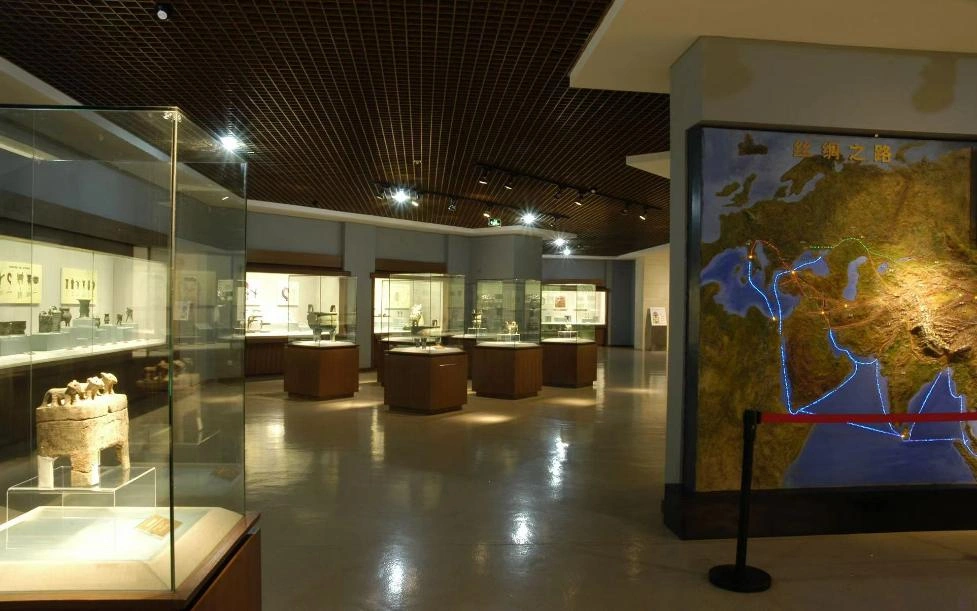
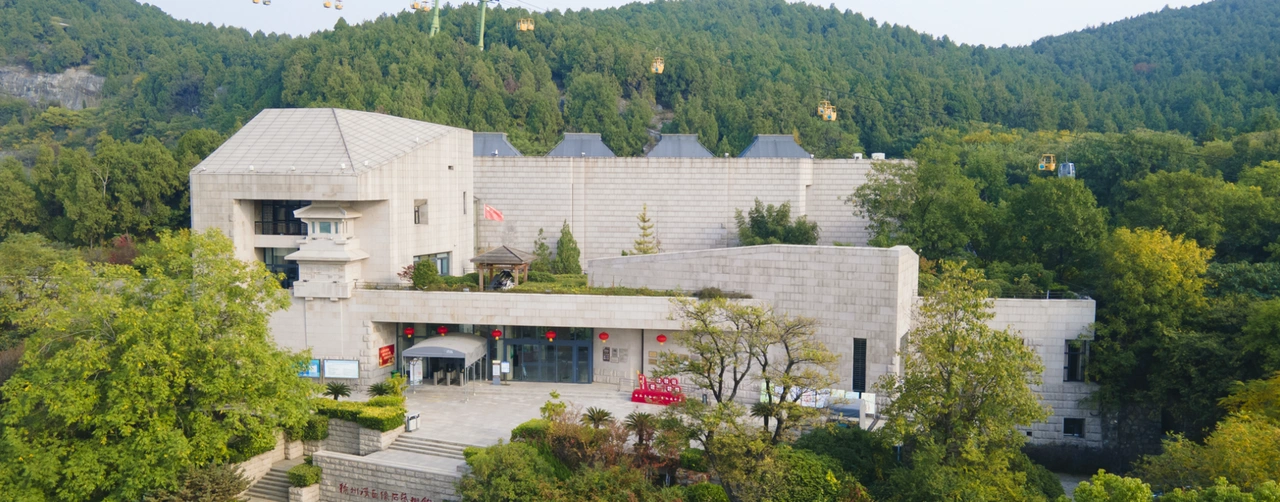
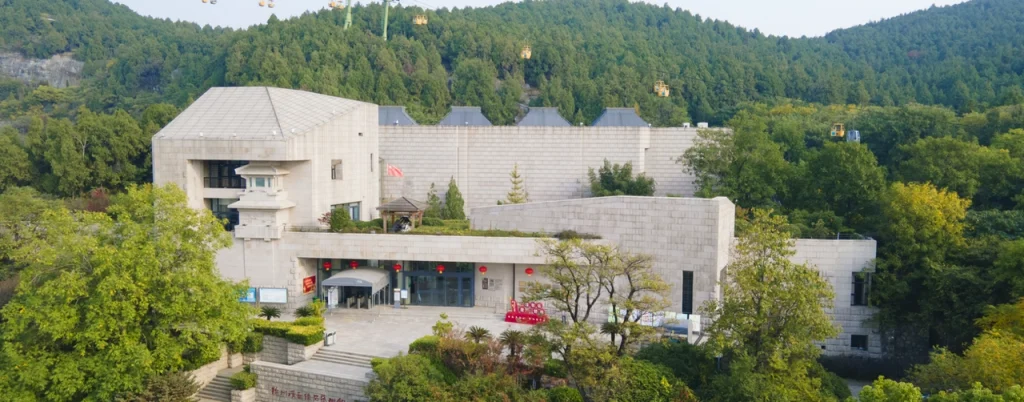
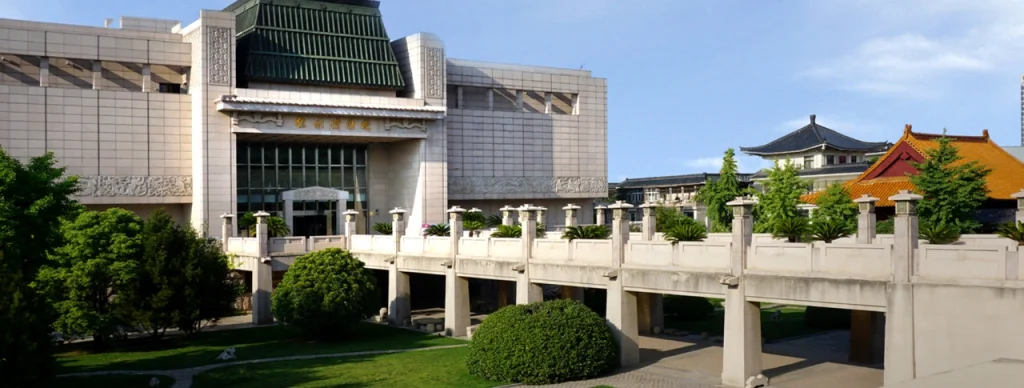
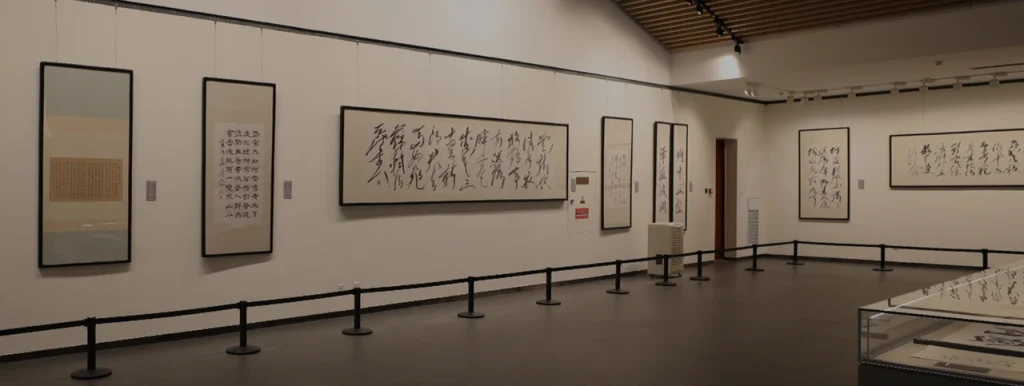
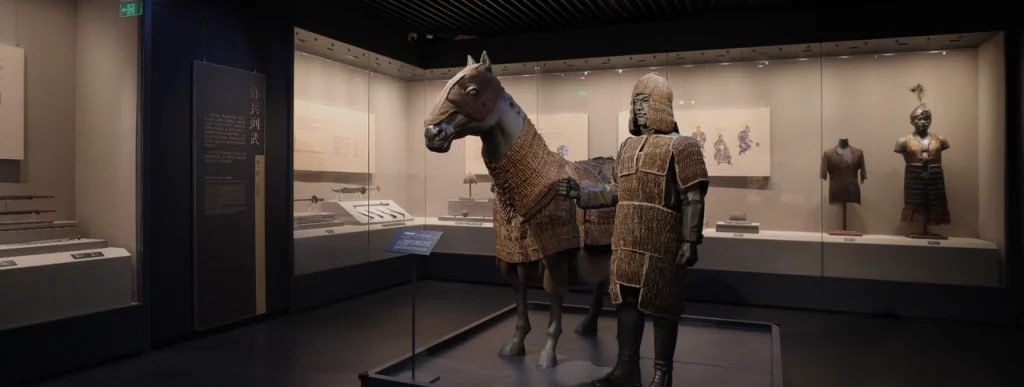
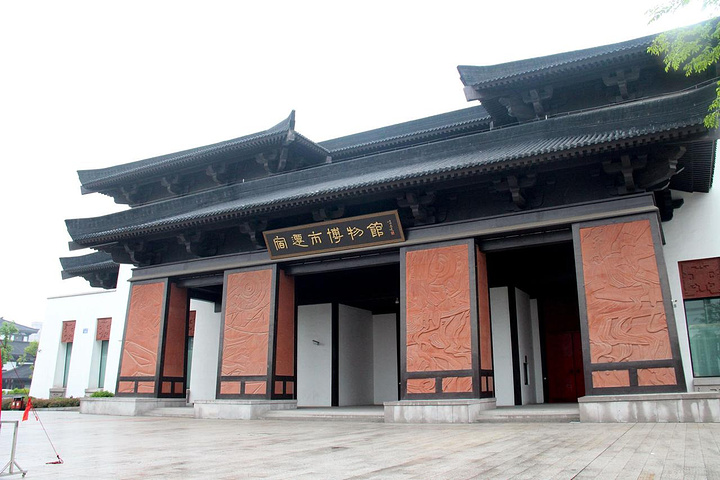
Xuzhou Museum was founded in April 1959 and officially opened in August 1960. It is now displaying the emblem of the Xuzhou Han Dynasty Stone Carving Art Museum, which is also managed by the Wei Tianchi Calligraphy Museum and the Zhao Xucheng Art Museum during the same period. It has built a national first-class museum, a national civilized unit, a national excellent humanities and social science popularization base, a national practice education base for primary and secondary school students, and a national AAAA tourist attraction The patriotism education base in Jiangsu Province and Xuzhou City is a comprehensive museum for the excavation, protection, display, collection and research of historical relics in Xuzhou City. It now covers an area of 60000 square meters, including nearly 27000 square meters of building area and 12000 square meters of display area. After the reconstruction and expansion project in 2010 and the exhibition and renovation project in 2018, the main museum of Xuzhou Museum has been built into a local museum with the distinctive characteristics of Han culture, which consists of four parts: the Western Han Dynasty quarry site, the Eastern Han Dynasty Pengcheng King’s tomb in Tushan, the Qing Dynasty Qianlong Palace and the exhibition building.
Xuzhou Museum has a rich collection of cultural relics and a complete collection system, highlighting the unique historical and cultural heritage of Xuzhou, which not only represents the artistic level of the region, but also represents the highest level in China. There are mainly ceramic ware, pottery figurines, jade ware, gold and silver ware, copper and iron ware, seals, calligraphy and painting, miscellaneous and other categories. The cultural relics in the museum range from the Neolithic Age to the Ming and Qing Dynasties and contemporary works of art. Among them, the Neolithic, Han and Ming dynasties are the most abundant and prominent cultural relics. In particular, the cultural relics of the Han Dynasty are the most distinctive, forming a complete display system. In addition to paintings and calligraphy, the majority of the cultural relics in the museum are excavated from ancient sites or ancient tombs, with clear times and clear sources.
The main exhibition of Xuzhou Museum includes seven major exhibitions, including “Ancient Peng Qianqiu”, “Great Han Meteorology”, “Heavenly Craft Han Jade”, “Han Family Fireworks”, “Terracotta Fighter Show”, “Golden Gorge Iron Horse”, and “Deng Yongqing Collection Calligraphy and Painting Exhibition”. It displays more than 5000 pieces of various cultural relics and treasures, comprehensively displaying Xuzhou’s rich and splendid historical culture and profound regional civilization. The quarry site of the Western Han Dynasty shows some quarries; The archaeological excavation site and cultural relics unearthed from the Pengcheng King’s Tomb of the Eastern Han Dynasty in Tushan were displayed in the tomb. Among them, the archaeological excavation of the No. 2 Tomb of Tushan won the “Top Ten National Archaeological Discoveries in 2020”; The Qianlong Palace and Stele Garden display the “Exhibition of Qianlong and Xuzhou Historical Materials” and the inscriptions of all dynasties.
Xuzhou Han Dynasty Stone Carving Art Museum is basically displayed as “Han Dynasty – Epic on Stone” in the South Hall, displaying more than 400 pieces of stone carvings; The “Han Stone Relics” is displayed in the North Hall. 167 pieces of fine stone reliefs excavated and discovered between the late Qing Dynasty and 1989 are displayed in seven exhibition rooms and on the 206-meter gallery. The temporary exhibition hall is now the Art Museum of Mr. Cheng Dali, a famous landscape painting master in China, which displays more than 40 excellent works of Mr. Cheng Dali in recent years. The display of the south and north pavilions comprehensively and stereoscopically reflects the achievements of the Xuzhou Han Dynasty Stone Carvings Art Museum in cultural relics collection, scientific research and display art, so that the audience can have a more comprehensive understanding of the Xuzhou Han Dynasty Stone Carvings and the life of Xuzhou people in the Han Dynasty.
As an important window of cultural exchange, Xuzhou Museum has vigorously implemented the “going out” strategy. In recent years, with the theme of “composing the new charm of the Han style and telling the story of Xuzhou”, it has continuously held touring exhibitions in China, and has successively held exhibitions of Han Dynasty cultural relics in the United States, Australia, Austria, the United Kingdom, Germany and other countries, further improving the international popularity and influence of Xuzhou’s Han culture.
Yancheng Museum is a comprehensive museum, which studies and reflects the development of Yancheng local history. It was founded in 1961, and moved to No. 267, South Jiefang Road in 2016. The basic display, taking an area of about 1500m2, consists of four parts: Part One “The Vicissitudes of Eastern Huai Area” which presents the gigantic changes in Yancheng’s physical geography through tens of thousands of years,; Part Two “The Place of Sunrise” which presents the historical development of Yancheng from the rise of Huai civilization to the integration into central China civilization based on the unearthed cultural relics ranging from the late Neolithic age to Shang and Zhou dynasties; Part Three “The Ups and Downs of Yancheng” which chronologically displays the historical evolution of Yancheng’s politics, economy and culture in more than 2000 years; Part Four “Traditional Charm of Jianghuai Area” which, on the basis of different sets of cultural relics, reveals the working and living situation of the local people and the traditional charm of Jianghuai Area with rich local features.
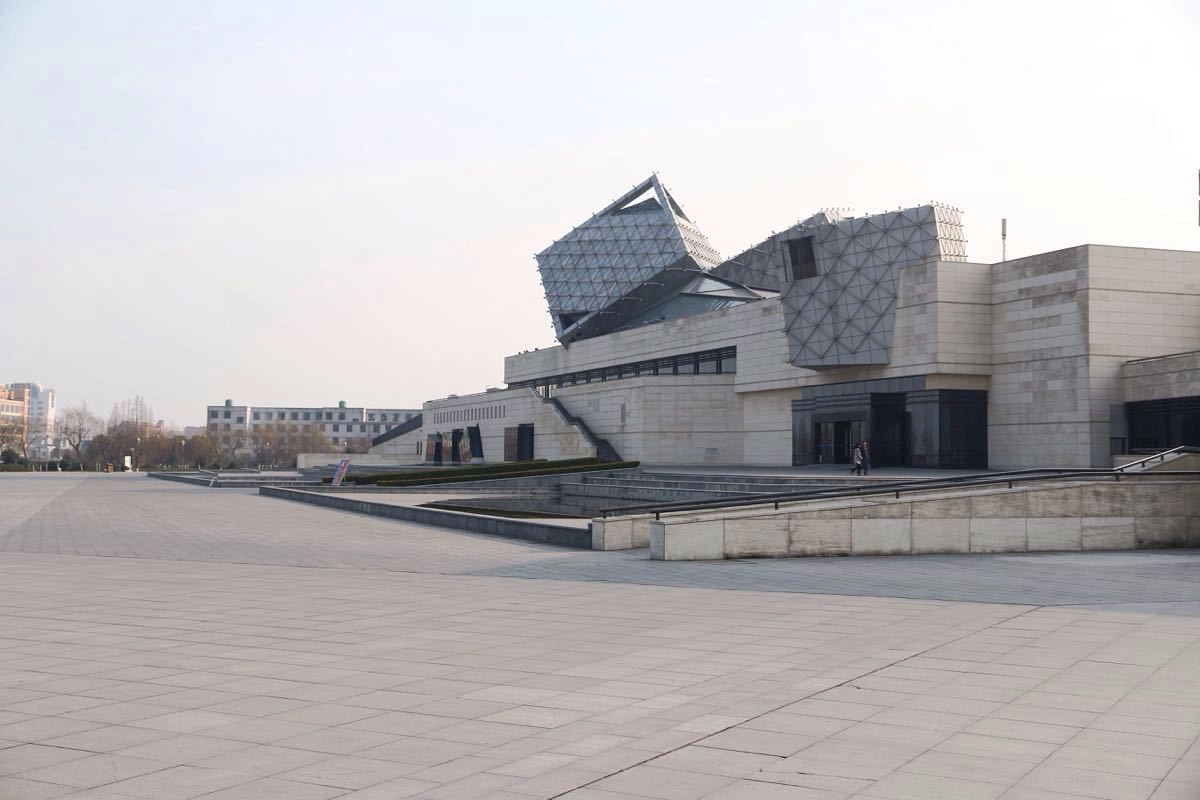
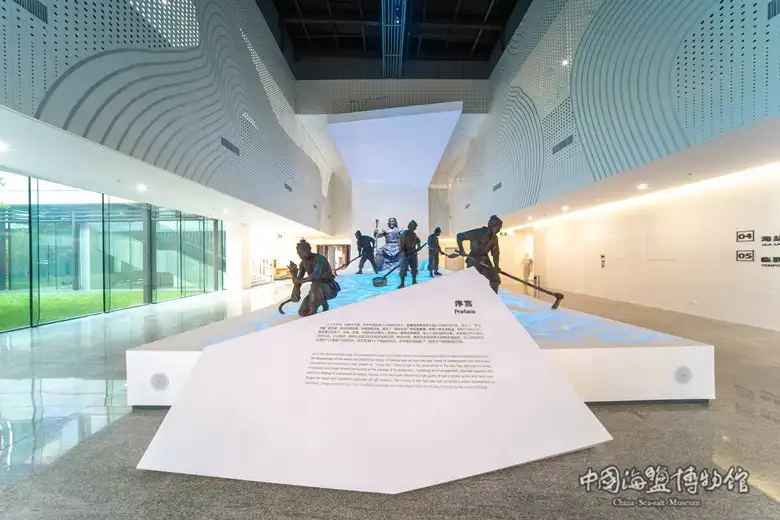
Yancheng China Sea-salt Museum Yancheng China Sea-salt Museum, approved and entitled by the State Council on January 23rd 2006, was the only large-scale specialty museum which presents Chinese sea-salt history and civilization. It is located in the urban area of Yancheng City between the ever famous man-made salt delivery river “Chuanchang River” and the well-known sea wall “Fangong Dike” in Song Dynasty, which occupies a floor space of 60,000m2 with its body building of 18,000m2. The body building structure is very special with several salt-crystal shaped objects, which seems as shinning and beautiful salt crystals scattered aside the Chuanchang river. China Sea-salt Museum was completed and thrown open to the public on November 18th 2008. On May 28th 2019, “Hai Yan Hua Zhang” (The Magnificent Chapter of Sea-salt), as the permanent exhibition of China Sea-salt Museum, was officially reopened to the public after the overall upgrading, which consists of four parts: Part One “From Sea to Salt”, Part Two “Transportation and Marketing of Salt”, Part Three “Development of Salt Law System”, Part Four “Sea Salt & Yancheng City”. Along with the permanent display there are a temporary exhibition and two specialty exhibitions: “Odes to Sea-salt Culture” and “World View on Salt Industry”, which present sea-salt culture and general introduction of world salt industry. The purpose is to collect, protect and research historical materials of sea-salt culture and to demonstrate Chinese sea-salt civilization in all dimensions and multiple angles.
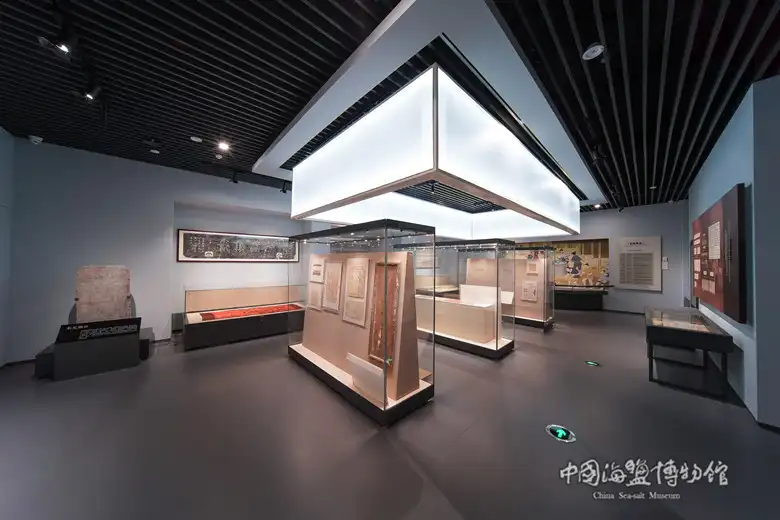
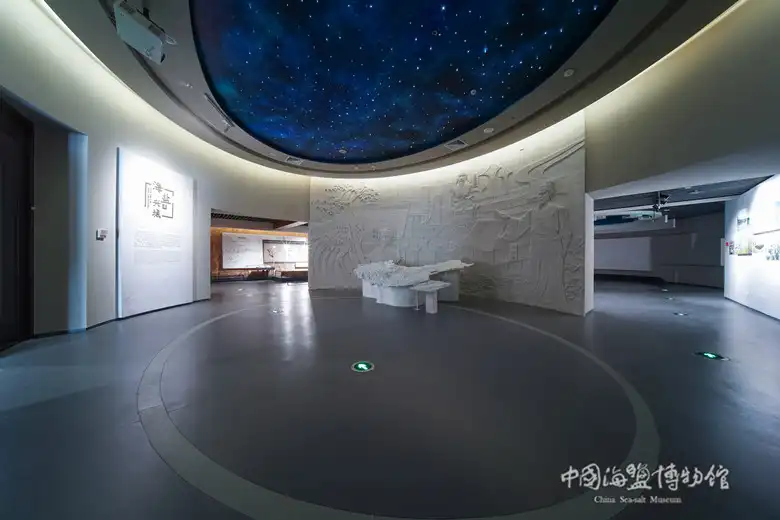
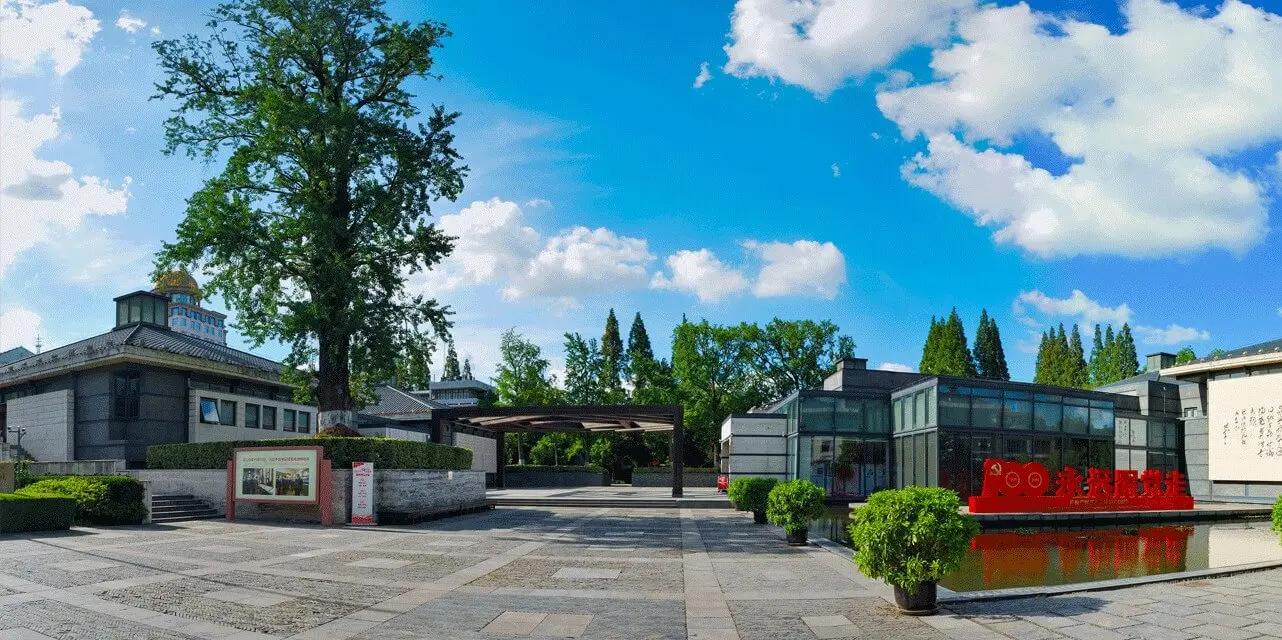
The first public museum established by Chinese people independently 丨 First-batch national first-class museum 丨 5A-level tourist attraction
Nantong Museum is a comprehensive museum that integrates ancient Chinese-style gardens and Western museums. At first, its collection covered four aspects, namely nature, history, fine arts, and education. The total number of its collection in 1933 was 3,605. The Museum consists of the Southern Hall, the Central Hall, and the Northern Hall. Ancient objects, specimens, artworks, and models are exhibited indoors. Living animals and plants, as well as large cultural relic specimens are displayed outdoors. All the captions are in Chinese, Japanese, and Spanish. The three major pavilions constituting the central axis in the north-south direction are surrounded by trees and flowers. Several multi-function landscape buildings in various styles are around the central axis, such as the East Pavilion, the Tengdong Waterside Pavilion, the Xiangqin Pavilion, the Chixu Pavilion, the Qian Pavilion, the Huazhu Pingan Pavilion, the Windmill, the Water Tower, and the Waterfall. Each one of the landscape buildings were inscribed by Zhang Jian in person.
In 1938, Japanese aggressors occupied Nantong and turned Nantong Museum into their stable. Most of the cultural relics kept by the Museum were destroyed or looted. By the eve of the liberation, Nantong Museum had become nothing but weeds and crumbling walls.
Nantong Museum was reborn as the P.R.C. was founded in 1949. Through the efforts of generations of people, the basic layout of the Museum has been preserved and attached importance to by the national and the local governments. Nantong Museum was listed as a “major historical and cultural site protected at the national level” by the State Council in 1988.
In 2005, Nantong Museum celebrated its 100th birthday. Government at all levels paid a lot of attention to the Museum again. The architectural planning for the Museum designed by Prof. Wu Liangyong, academician of both the Chinese Academy of Sciences and the Chinese Academy of Engineering was approved by the National Cultural Heritage Administration. The expanded museum covers an area of over 70,000 m². The new, modern exhibition halls cover a floor area of 6,330 m². The celebration of the “Nantong Museum’s 100th Birthday and the 100th Anniversary of Chinese Museums” was held in Nantong by the Ministry of Culture, the National Cultural Heritage Administration, and Jiangsu Provincial People’s Government. In the meantime, 100 directors from both China and abroad attended the “Museums and Urban Development” high-level seminar. The celebration brought new vigor to Nantong Museum.
Nantong Museum was honored with the title of “4A-level tourist attraction” in 2007, made it into the first batch of national first-class museums in 2008, got rated as a national civilized unit in 2010 and as a national science popularization education base in 2011 and 2015. In 2013, the circum-Hao River museum group centering on Nantong Museum made it into the country’s first batch of demonstration projects of public cultural service as the only project concerning museums. Nantong Museum’s founder, Zhang Jian’s wish for the Museum to flourish and progress with each passing day is coming true.
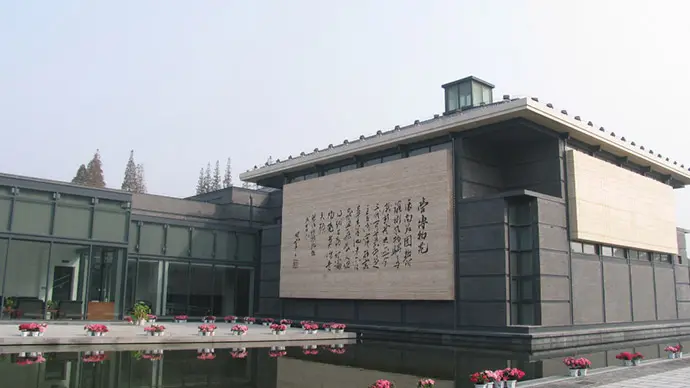
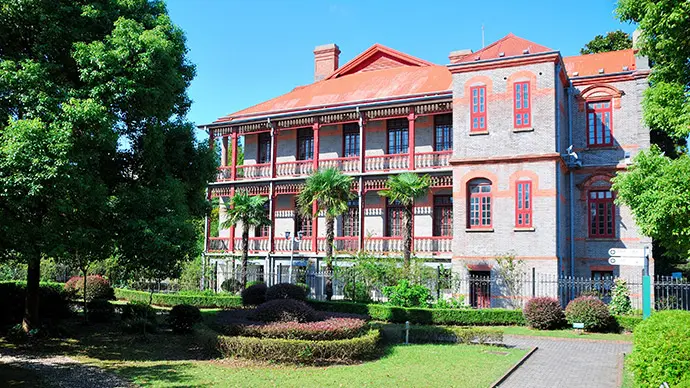
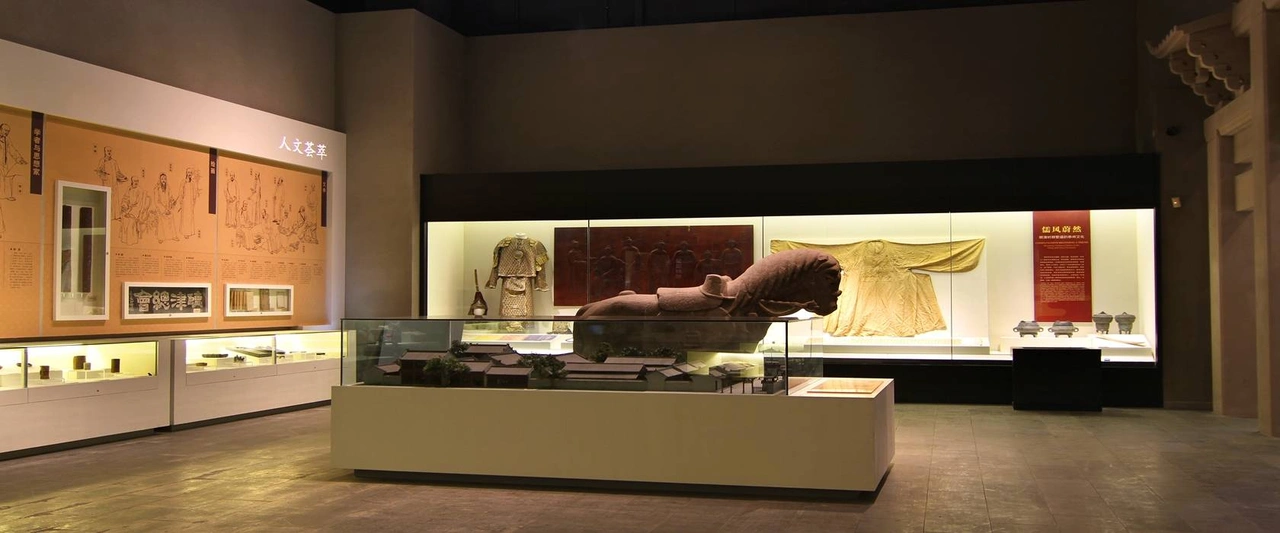
Established in 1958, Taizhou Museum underwent its first expansion and renovation in 1980. In 2013, a new museum building was completed and officially opened to the public. Located at No. 297 Gulou South Road, Taizhou, the museum covers a total building area of over 22,000 square meters, including nearly 6,000 square meters of exhibition space. It currently employs more than 30 staff members across departments such as Exhibition and Public Services, Archaeology and Collection, Collection Management, Administration, Security, and Finance.
Taizhou Museum is a comprehensive museum primarily dedicated to the collection and preservation of historical cultural relics. It houses nearly 10,000 artifacts of various types, including more than 800 classified as nationally protected Grade I, II, and III cultural relics. Its collections are particularly distinguished in ancient Chinese painting and calligraphy, Ming Dynasty clothing, and Six Dynasties celadon, giving the museum a strong reputation within China’s museum community.
The museum’s collection of ancient paintings and calligraphy is especially rich. It includes works by renowned Ming Dynasty court painter Lü Ji, founder of the Wu School of painting Lan Ying, and other influential artists such as Dong Qichang, Wen Zhengming, Zhang Chong, Tang Zhiqi, Xie Shichen, Wu Bin, Cheng Sheng, and Zhang Feng. The collection also features works by prominent Qing Dynasty figures such as Zhu Da (Bada Shanren), Shi Tao, Yuan Jiang, Chen Zhuo, Pan Simu, Liang Shanzhou, Zhang Cining, Wu Rangzhi, Yun Nantian, and Fei Danxu, as well as members of the Yangzhou Eight Eccentrics including Zheng Banqiao, Huang Shen, Li Shan, and Wang Shishen. Additionally, paintings by artists of the Jinling School such as Cai Ze are included, along with calligraphic works by historical figures such as Liu Yong, Lin Zexu, Tiebao, and Li Hongzhang. Modern masters such as Qi Baishi, Zhang Daqian, Chen Shizeng, and Yu Youren are also well represented in the collection.
The museum’s Ming Dynasty textile collection is particularly noteworthy. It is one of the most complete and concentrated collections of Ming civilian (non-imperial) garments in China, especially silk textiles, representing the finest examples of mid-Ming Dynasty civilian clothing craftsmanship. In ceramics, the museum holds outstanding examples of Six Dynasties celadon as well as porcelain from the Song, Yuan, Ming, and Qing dynasties.
Other significant artifacts include a uniquely preserved nearly complete male elk fossil—the only one of its kind in the world—Han Dynasty bronze mirrors with mythical beast patterns, and hundreds of archival documents from the Forbidden City and the Qing government, along with Qing Dynasty handicrafts. These collections provide valuable physical evidence of China’s long and brilliant civilization.
In addition, Taizhou Museum has a rich collection of revolutionary historical relics, which vividly document the development of revolutionary activities in the Taizhou region, offering important insight into the area’s modern historical transformation.
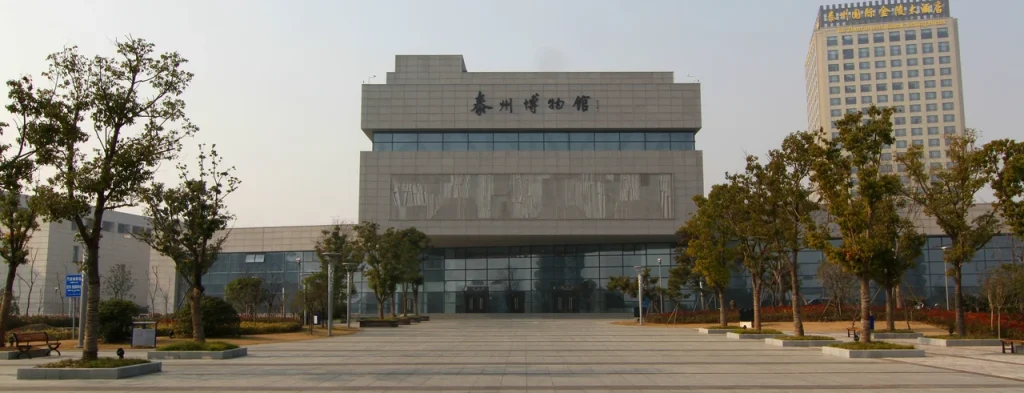
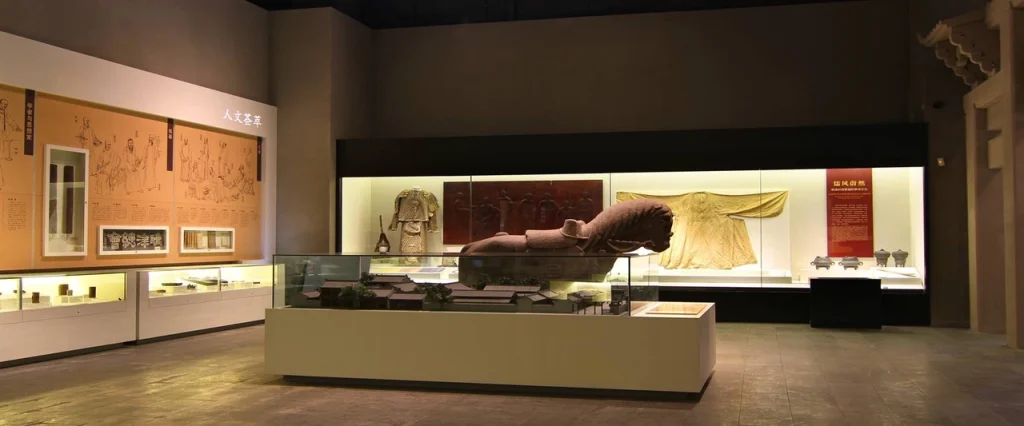
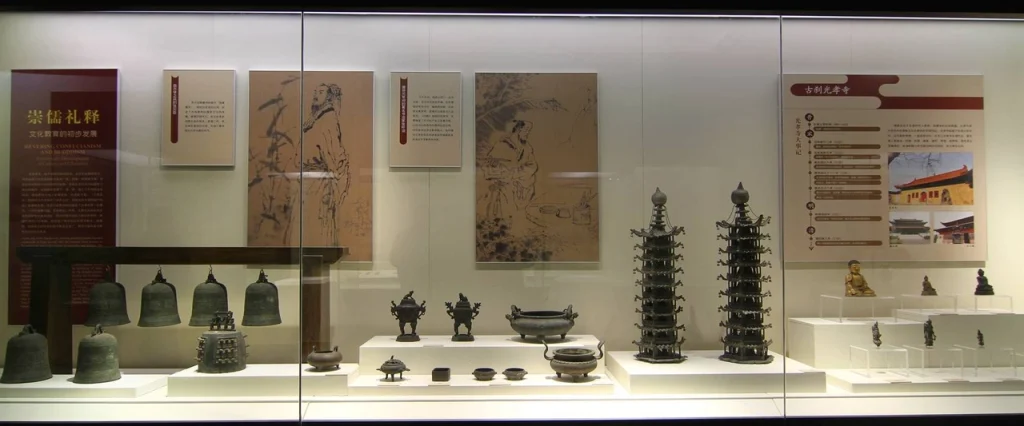
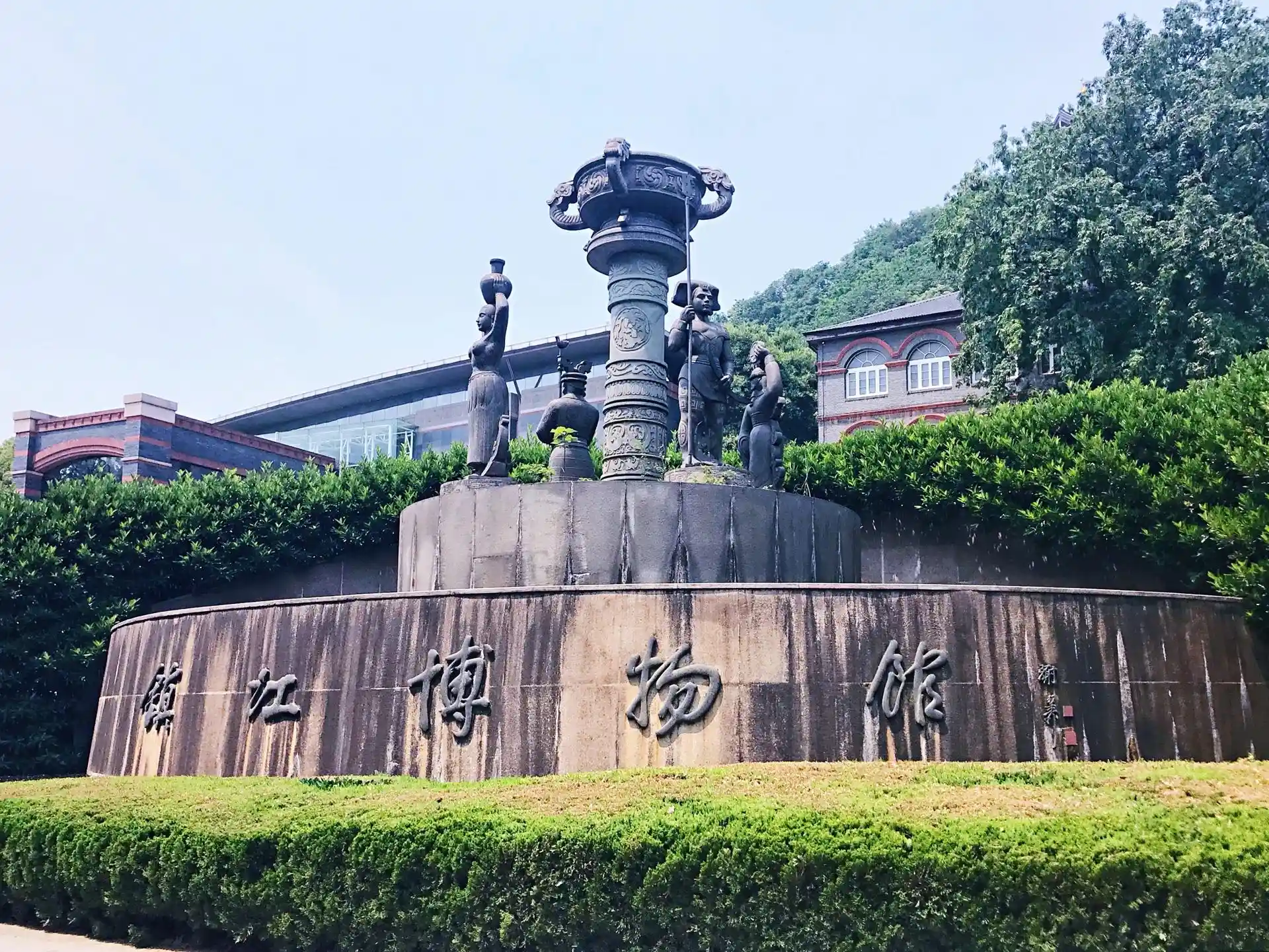
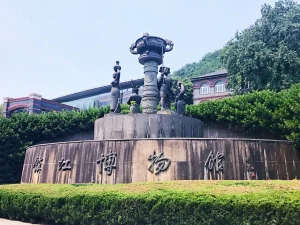
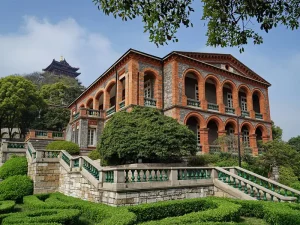
Found in 1958, Zhenjiang Museum is a comprehensive art -center of local culture and history, whose original site is the former British consulate which was built in the late 19th century. The former British consulate was one of the earliest consulates along the Yangtse River and was approved as a national key cultural relic of China in 1996 by the State Council .
The new site of Zhenjiang Museum was designed in 2002 and completed in 2004 . As one of the most important people-serving projects in the city, the museum was designed by the creative idea of combining scenic resources and culture resources.
After being reconstructed,Zhenjiang Museum is a national AAAA grade scenic spot now, covering an area of 20000 square meters, a real poetic treasure house.
The new museum has over 40000 cultural relics . 103 of them are Grade-one, 340 are among Grade-two and 3121 are Grade-three. Those relics are most notably for Bronze from Xizhou Dynasty, porcelain from Six Dynasty, gold and silver from Tang Dynasty, silk clothing from Song Dynasty, paintings and calligraphy from Ming and Qing Dynasty and other ancient arts and crafts.
In 2008, Zhenjiang Museum started to open for free and became more influential than before. It now has 6 exhibitions as Bronze Wares, Pottery and Porcelain, Gold and Silver Wares, Works of Art, Paintings and Calligraphy of Jingjiang School, and Buddhist Treasures. Those exhibitions stand for the best part of the history and culture of Zhenjiang and have won a lot of provincial prizes.
As the history and culture interpreter of Zhenjiang, the museum has won many titles as Provincial Patriotic Education and Social Science Popularization Base, Selected Museum, and Civilization Unit. It is now playing a very important role in demonstrating the culture of Zhenjiang, communicating different culture with people from other countries, and enriching the spiritual life of people.