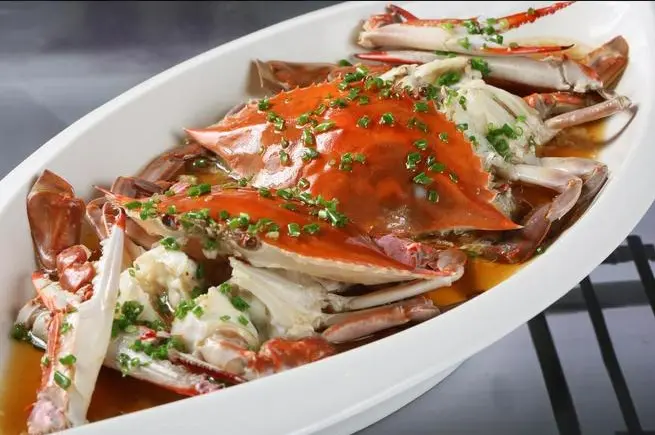
Steamed Swimming Crab
Premium crab from Haizhou Bay, steamed to keep natural sweetness, rich roe in autumn, paired with ginger vinegar sauce
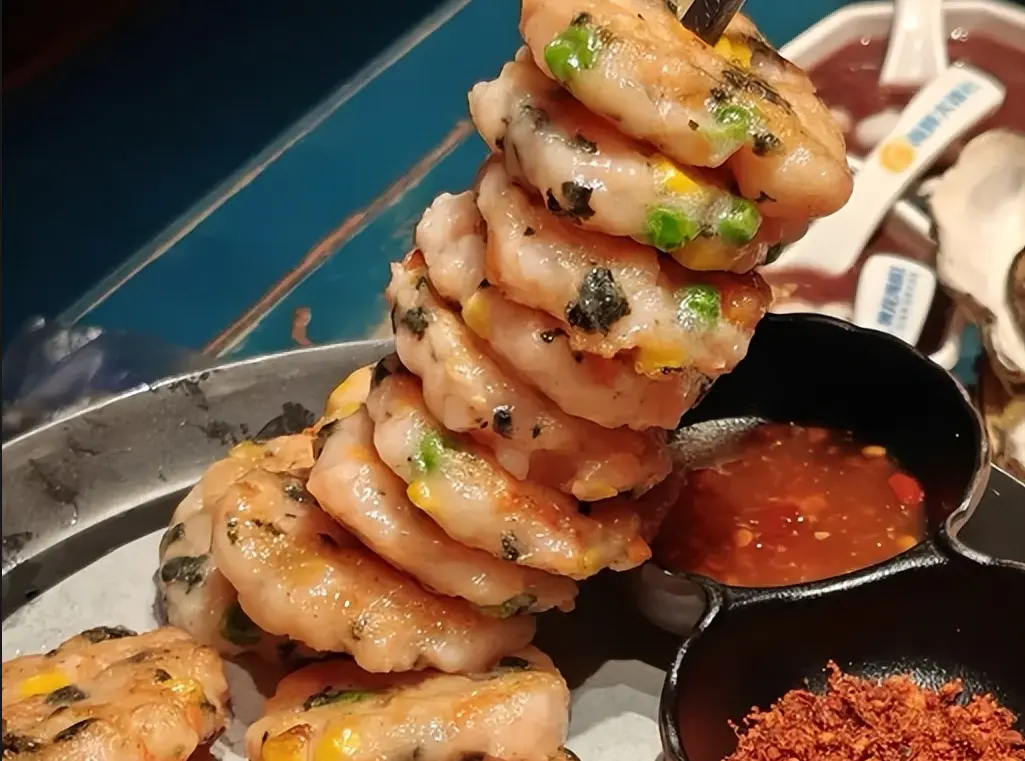
Mantis Shrimp Pancake
Minced mantis shrimp mixed with egg & starch, pan-fried golden crispy outside, tender juicy inside.
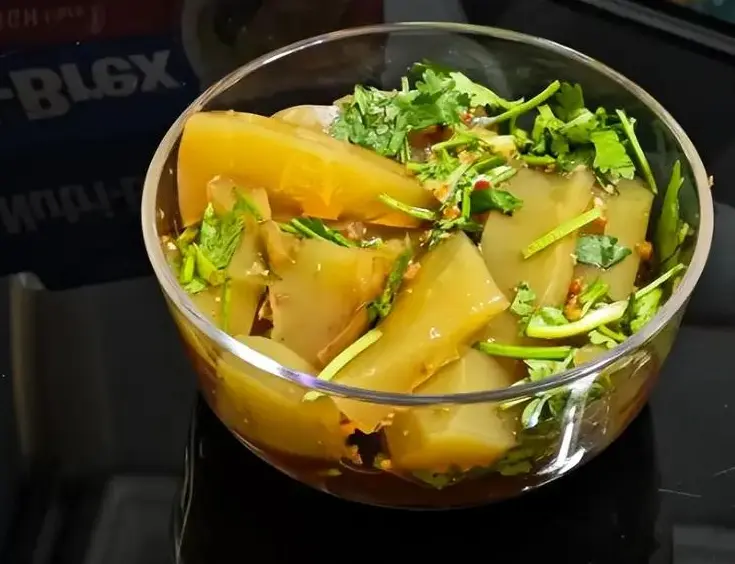
Banpu Cold Mung Jelly
Handmade green bean jelly, bouncy & smooth, cold mixed with vinegar/chili or pan-fried hot
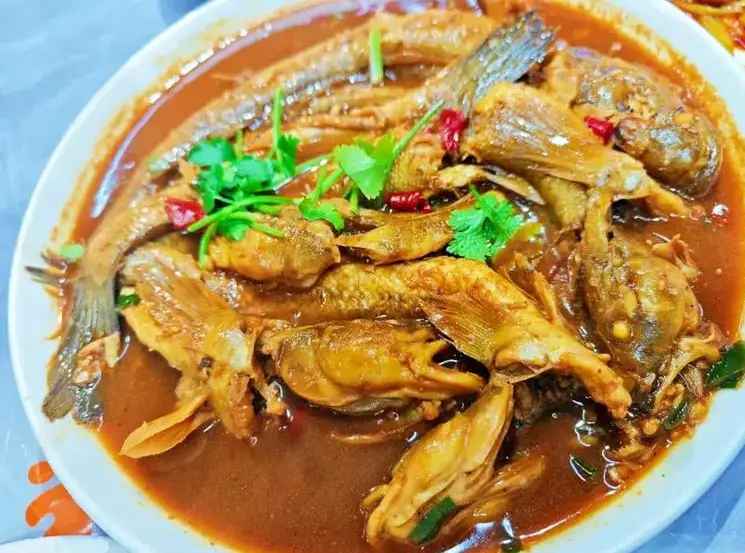
Braised Gobiidae Fish
Unique local fish only from Lianyungang tidal land, tender meat, thick creamy soup in autumn.
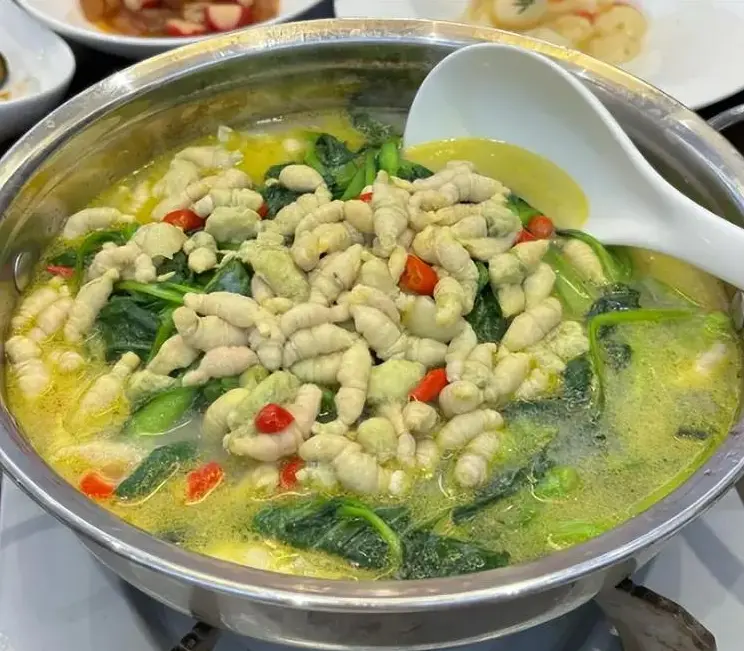
Guanyun Bean Larva
High-protein larva feeding on soybean leaves, stewed with greens, tender like egg custard.
Flavors of Huai’an: A Taste of Huaiyang Cuisine Heritage
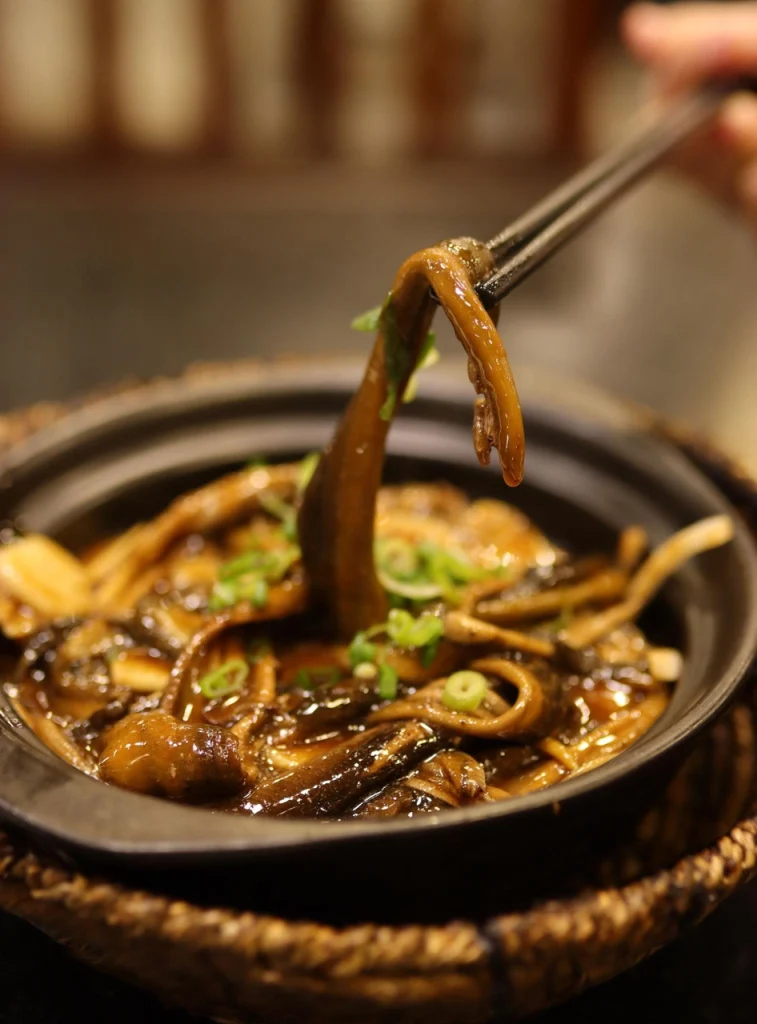
Huai’an Soft-Fried Crab
Soft-Fried Crab (commonly made with eel in Huaiyang cuisine) is one of Huai’an’s most iconic dishes. It features tender eel meat cooked in a rich, savory sauce with a smooth and delicate texture. The dish highlights the precision and elegance of Huaiyang cooking techniques, where flavor balance and ingredient freshness are highly valued.
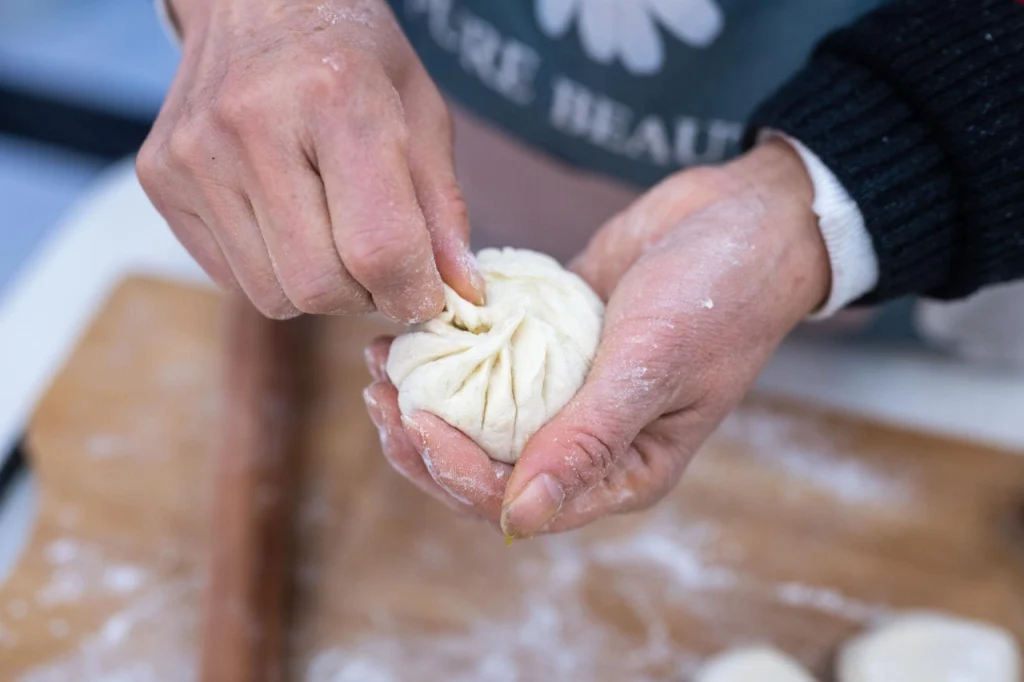
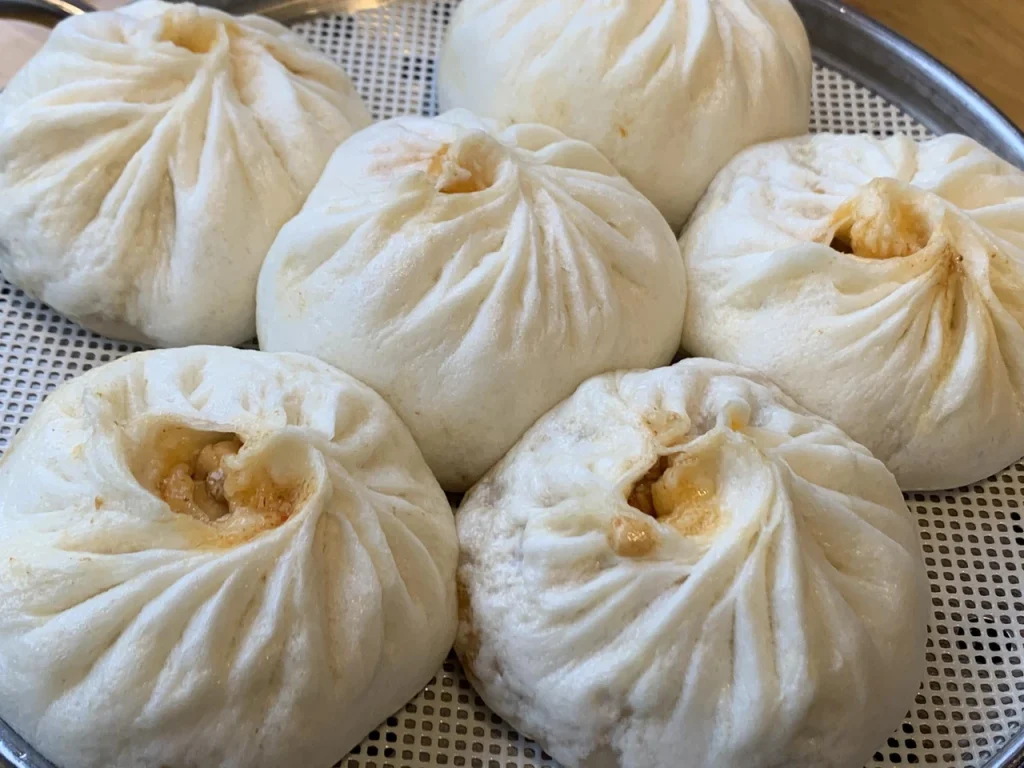
Longping Steamed Dumplings
Longping Steamed Dumplings are a classic Huai’an breakfast food, known for their soft dough and juicy filling. Often enjoyed with local soy milk or broth, they represent the everyday food culture of Huai’an residents and are an essential part of the city’s morning street food scene.
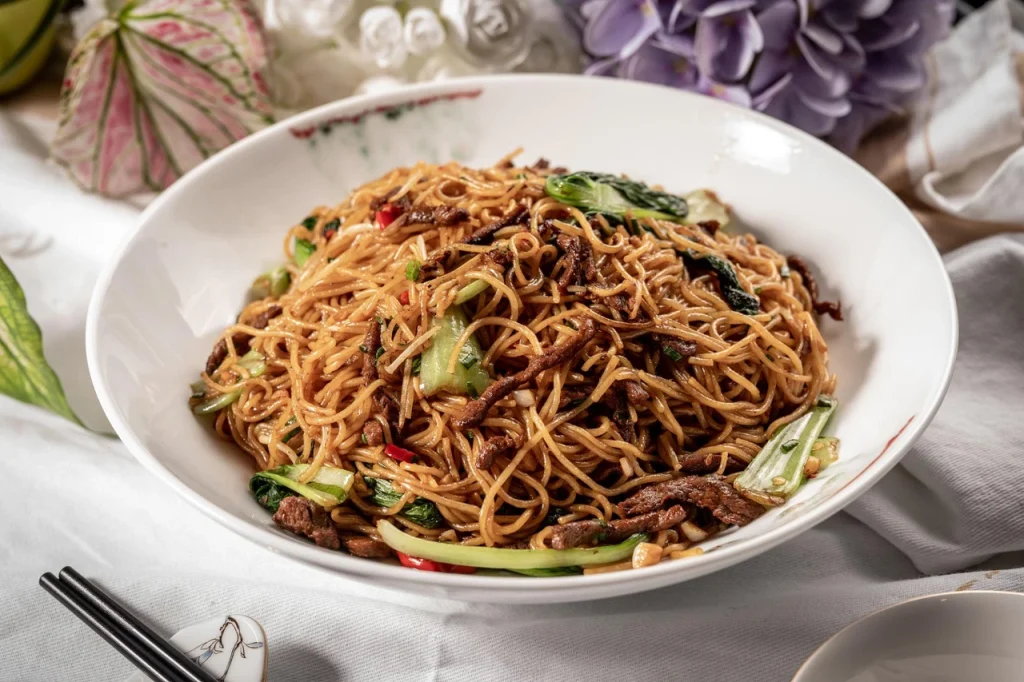
Huai’an Fried Noodles
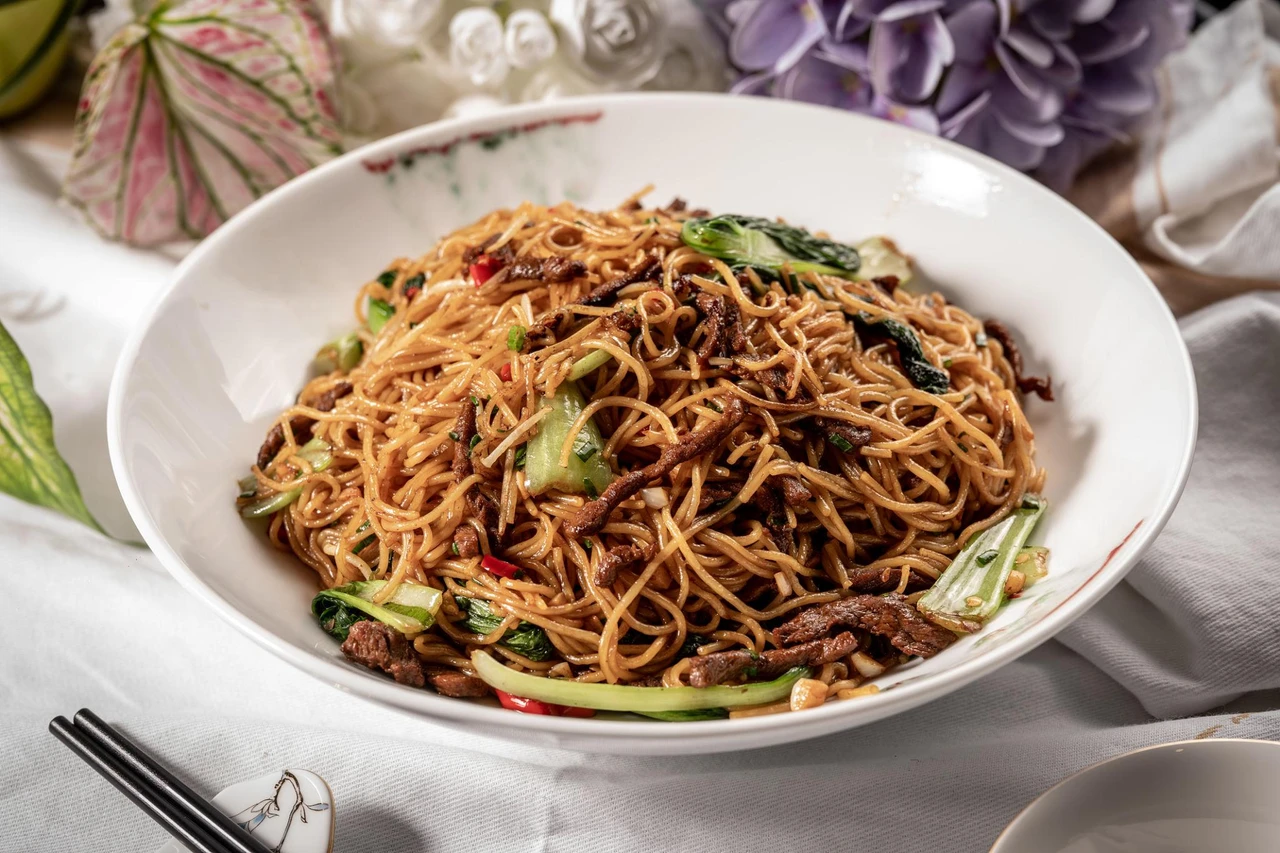
Huai’an Fried Noodles are a popular local dish made with freshly cooked noodles stir-fried with vegetables, eggs, and meat. The dish is simple yet flavorful, reflecting the practicality and comfort of Huai’an home-style cooking.
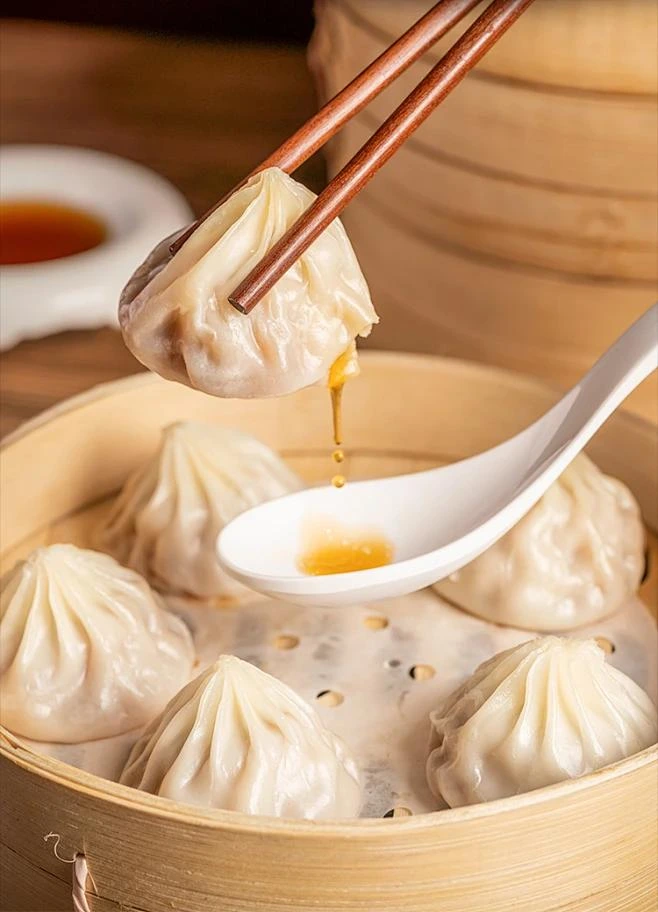
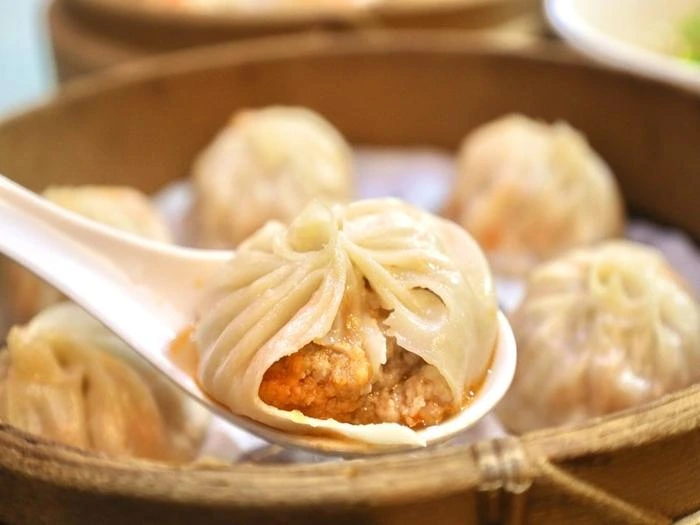
Huai’an Crab Roe Soup Dumplings
Crab Roe Soup Dumplings are a refined Huaiyang specialty, featuring thin dough filled with rich crab roe soup. When bitten, the broth bursts with intense flavor, showcasing the craftsmanship and precision of Huai’an culinary tradition.
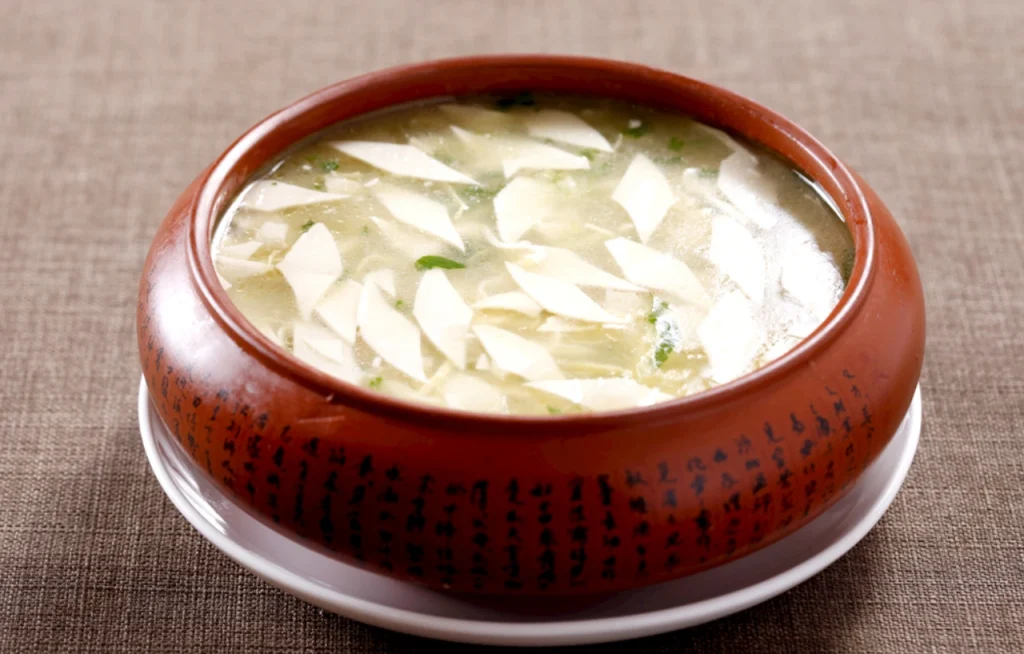
Pingqiao Tofu Soup
Pingqiao Tofu Soup is one of Huaiyang cuisine’s most famous dishes, known for its silky texture and light yet rich flavor. It often includes shredded tofu, shrimp, and ham in a clear broth, representing the refined elegance of Huaiyang cooking.
Flavors of Xuzhou: A Journey Through Northern Jiangsu Cuisine
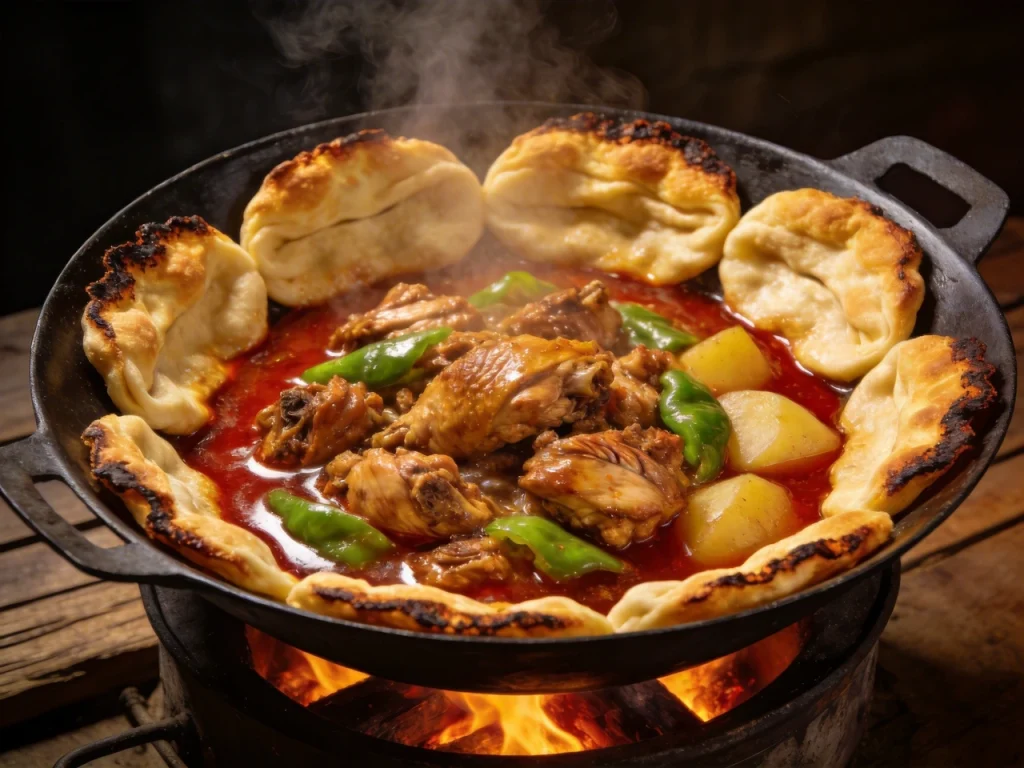
Ground Pot Chicken (Di Guo Ji)
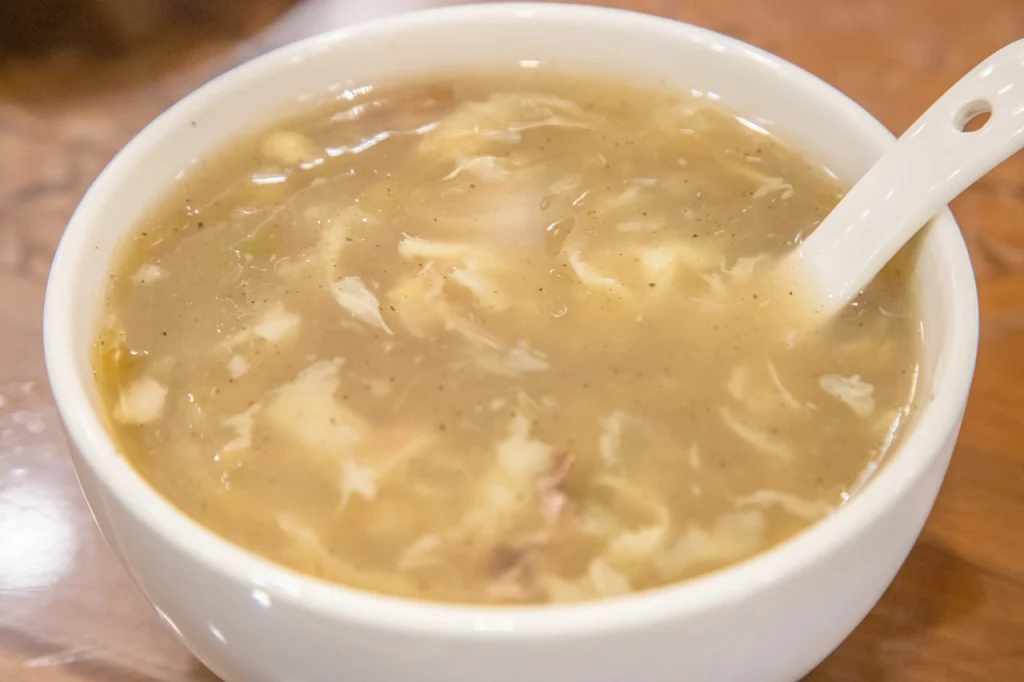
Sha Tang (Spicy Soup)
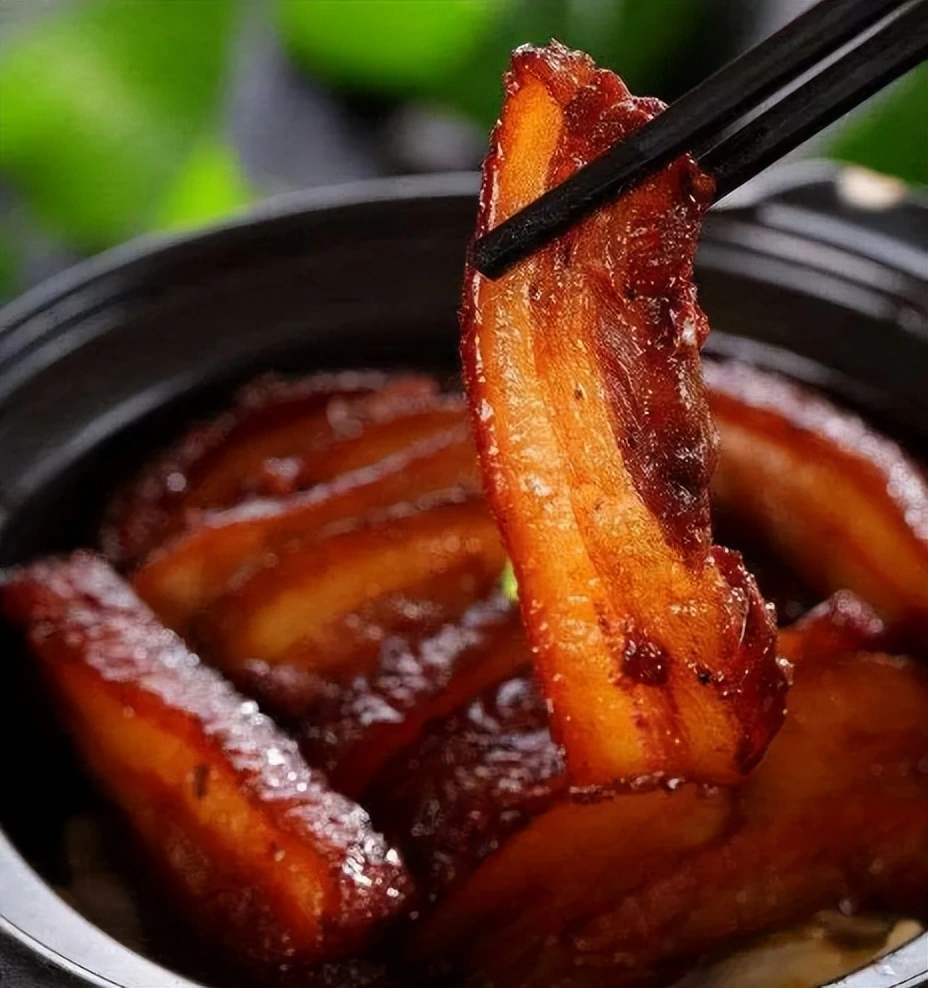
Braised Pork (Ba Zi Rou)
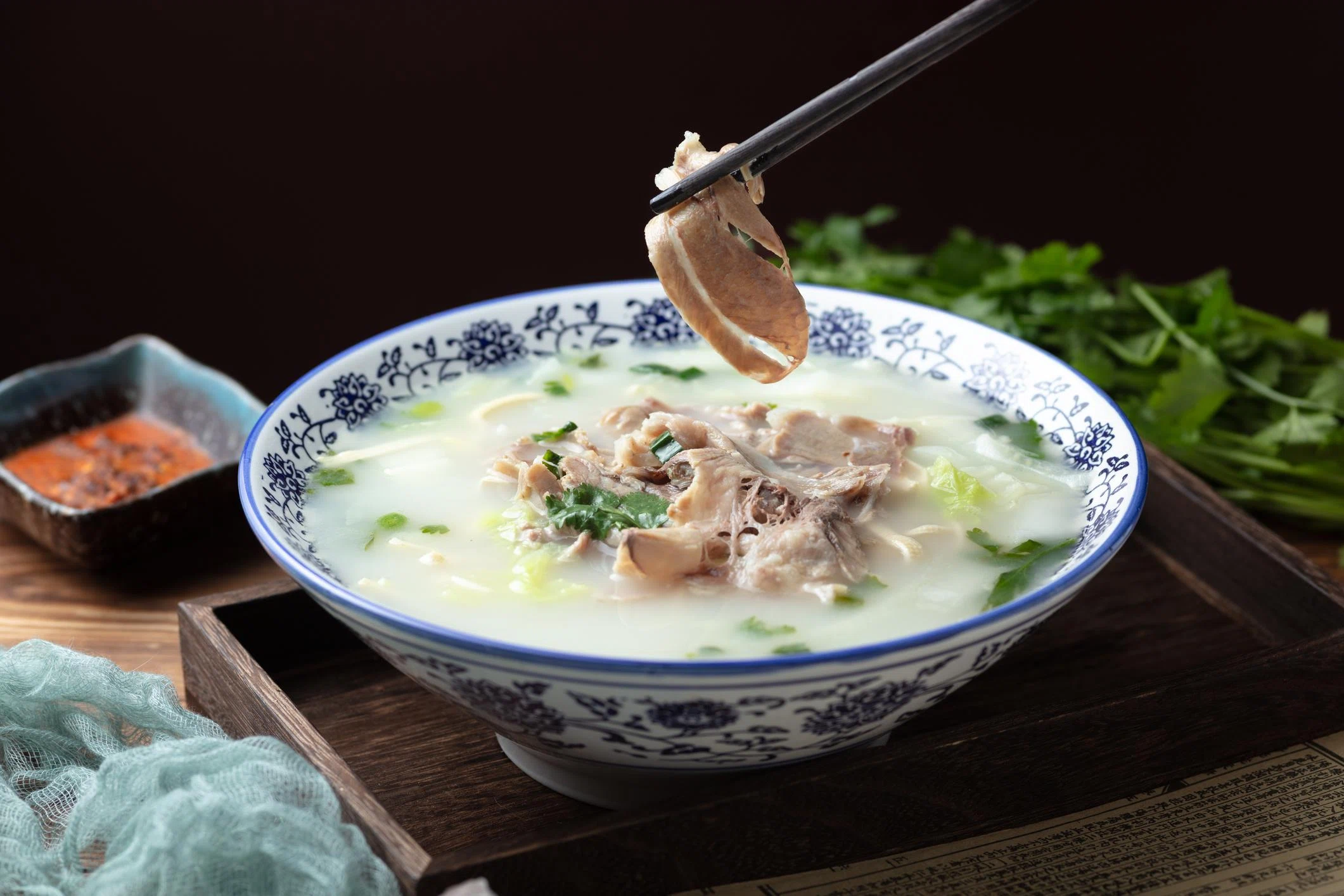
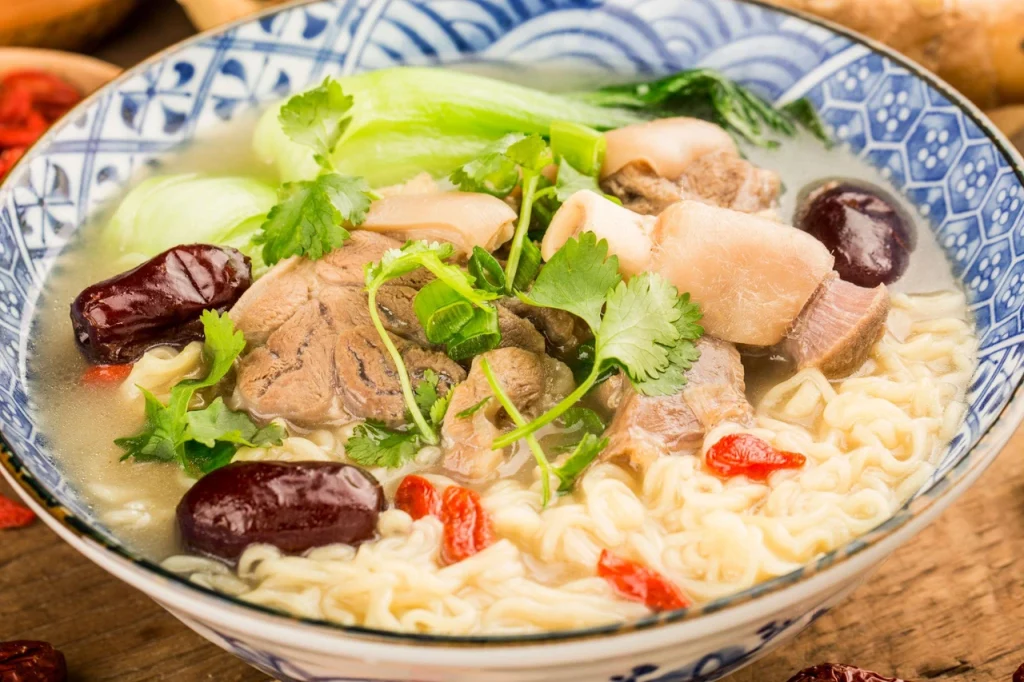
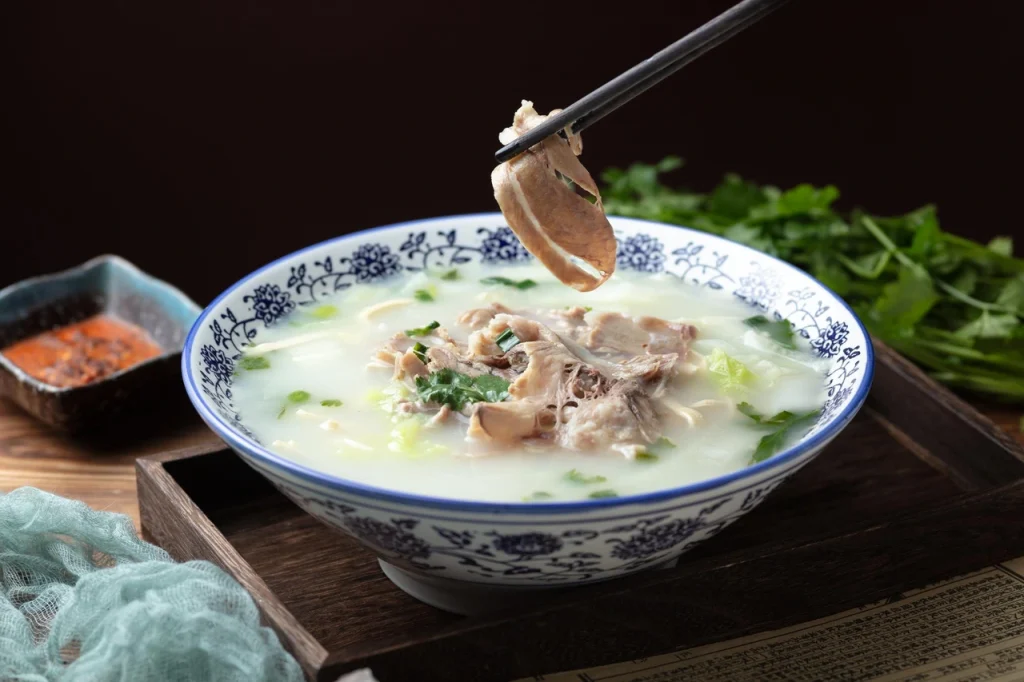
Lamb Soup (Yang Rou Tang)
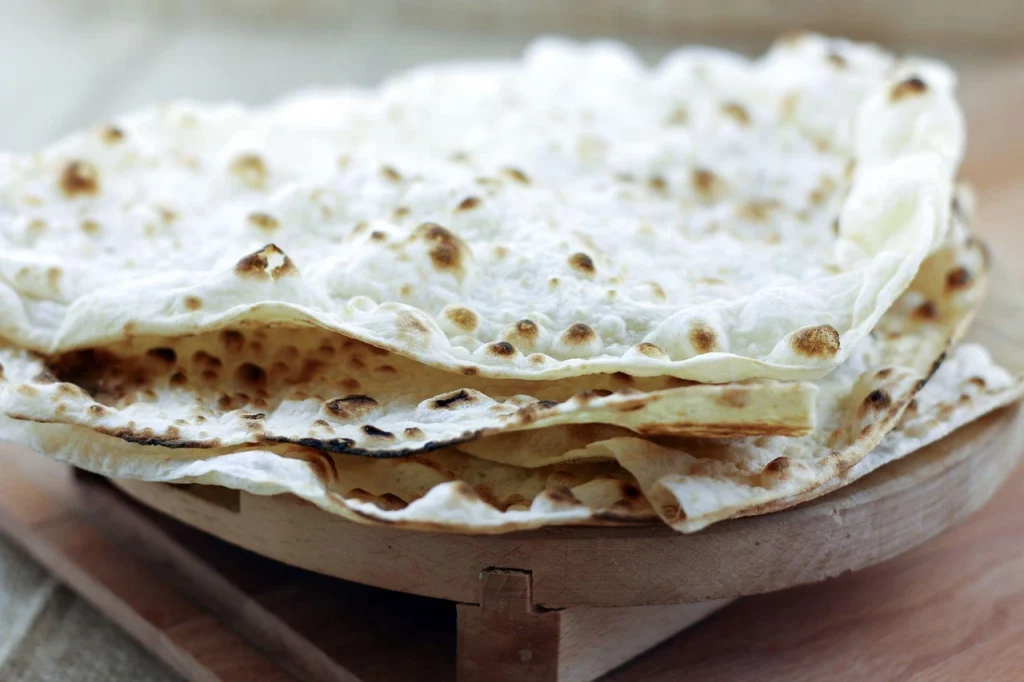
Laomo (Flatbread Wrap)
Tasting Ancient Chu, Savoring Suqian – An Overview of Suqian’s Specialty Cuisine
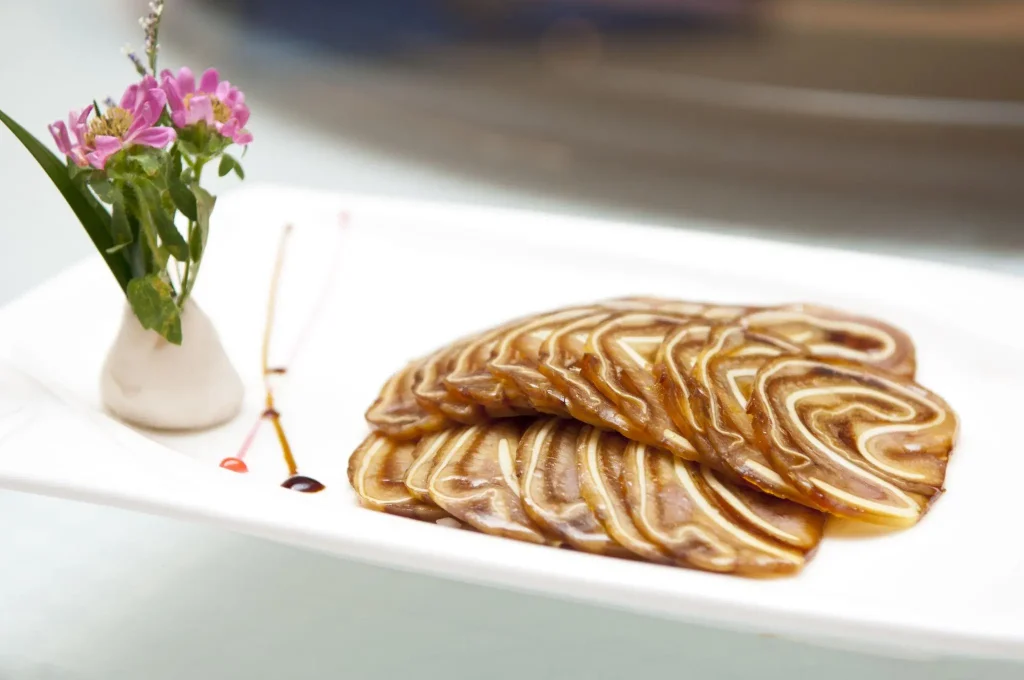
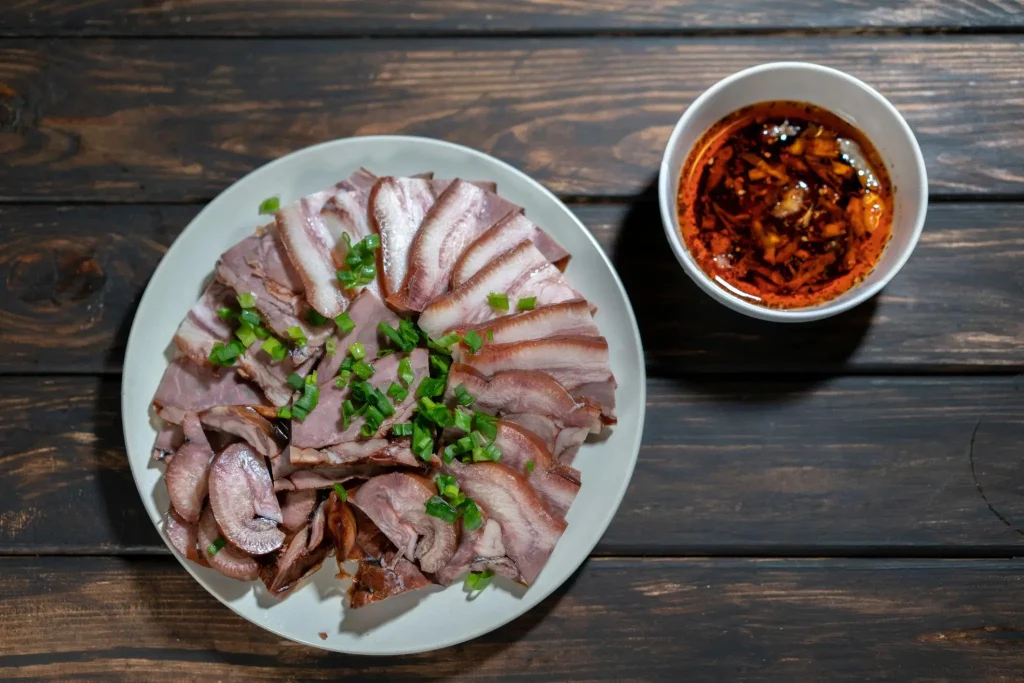
1. Huanggou Braised Pork Head
With a history dating back to the Qianlong reign of the Qing Dynasty over 270 years ago, this dish was named after its founder, whose nickname was Huanggou (Yellow Dog). Selected local pork head is slowly braised for hours in a century-old marinade with more than ten natural spices. The finished dish features amber-red, glistening meat: the fatty part melts in the mouth, while the lean part is firm yet tender. Rich but not greasy, with a deep, lasting marinade aroma, it is enjoyed both as a banquet centerpiece and an everyday accompaniment to rice or wine.
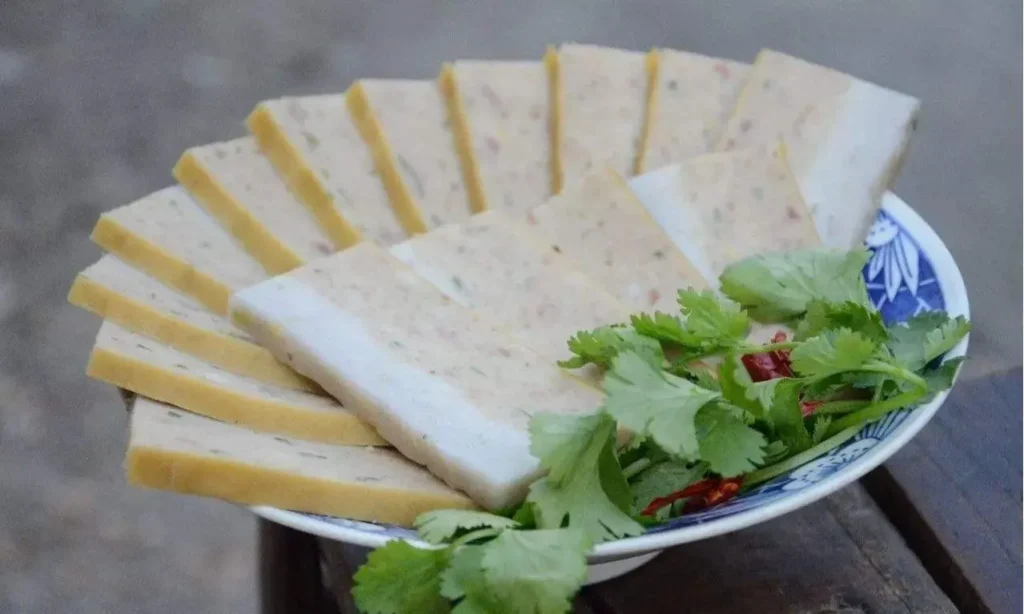
2. Siyang Biaoji
Despite its name containing the character for “chicken”, Biaoji contains no chicken at all. It is an essential dish for weddings, festivals, and grand banquets in Siyang. Made by layering and steaming minced fatty pork, lean pork, Chinese yam, and sweet potato starch, it forms a firm, red-and-white layered cake. It can be served cold, braised, or in soup, offering a soft, springy texture and mild, savory richness, representing the nostalgic taste of local gatherings.
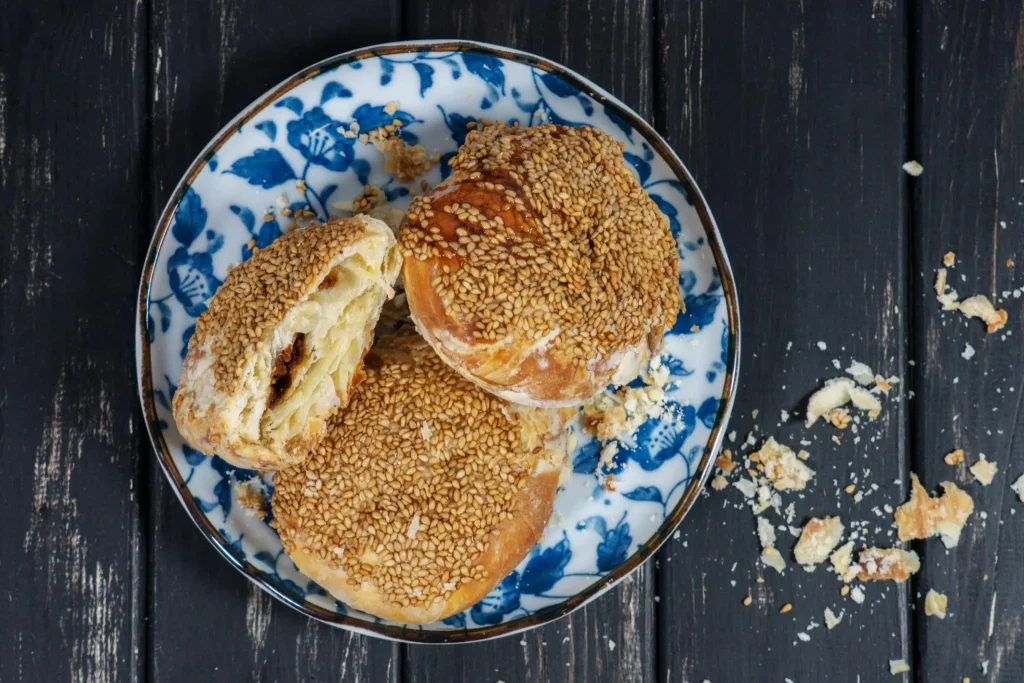
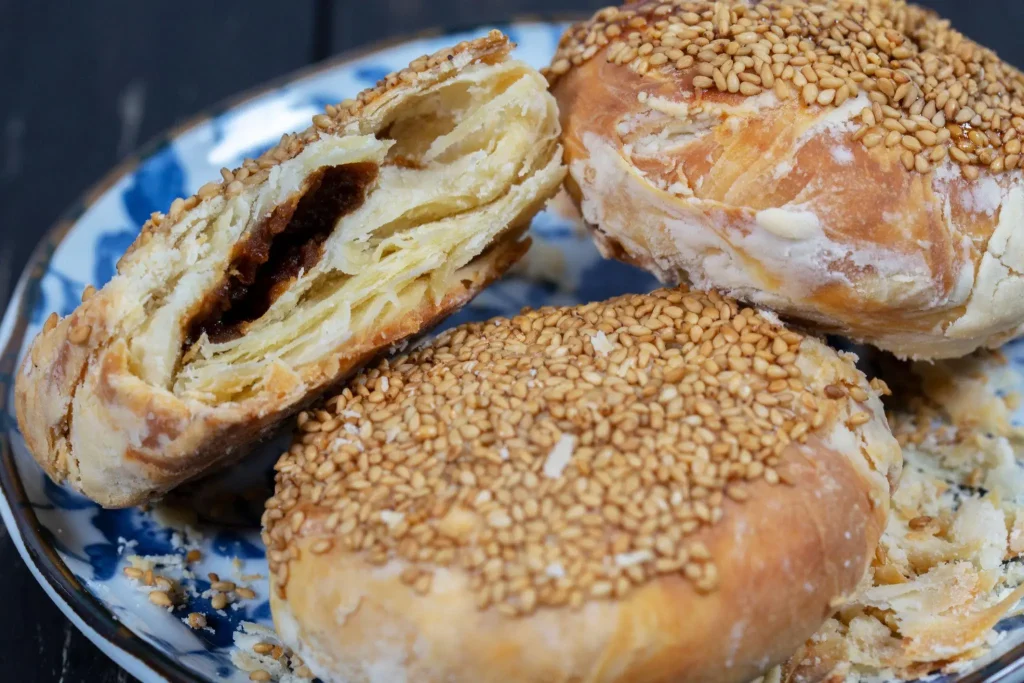
3. Qianlong Tribute Pastry
Qianlong Tribute Pastry is one of Suqian’s most famous traditional snacks. Legend has it that the pastry was highly praised during Emperor Qianlong’s southern tours, earning its name as a “tribute pastry.” Made from flour, sesame, sugar, and oil, it is crisp, fragrant, and delicately layered. It is also one of the most popular local souvenirs for visitors.
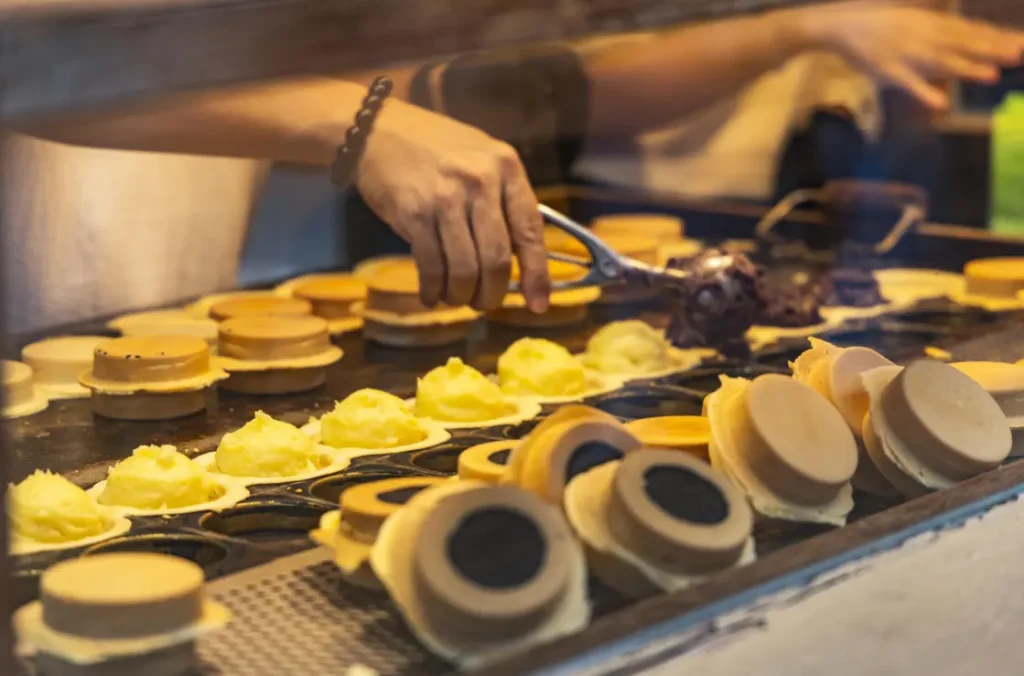
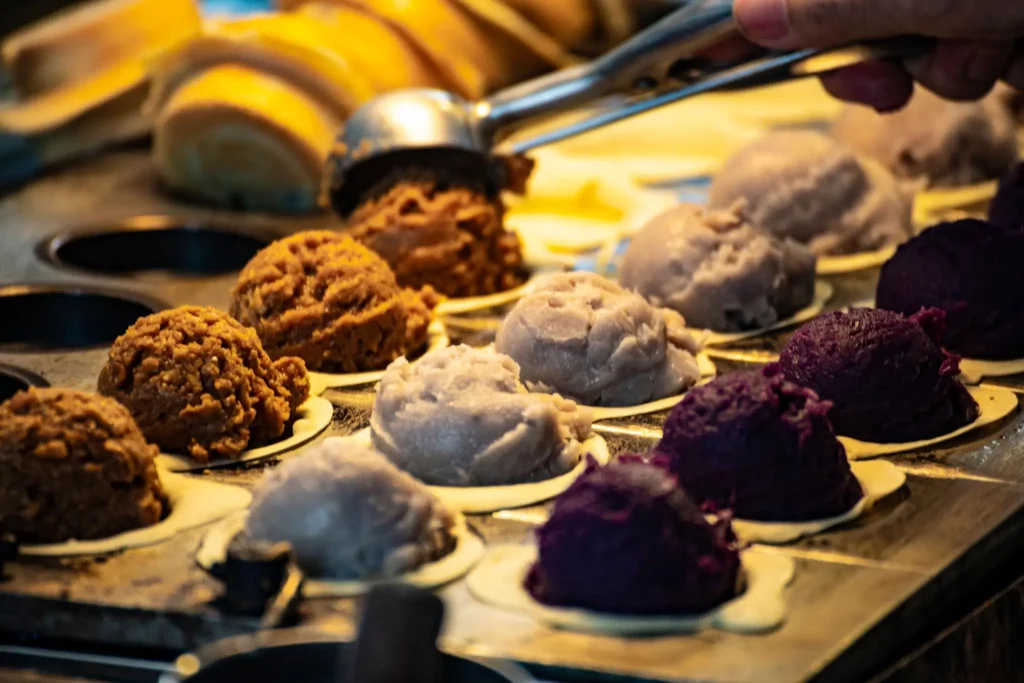
4. Yanghe Wheel Cakes
A signature pastry native to Yanghe Town, it is named for its wrinkled, wheel-like shape. Legend has it that the Qianlong Emperor praised it highly during his southern tours. The flaky pastry is hand-wrapped with sweet or savory fillings: sweet versions contain osmanthus, walnut, rock sugar, and pork fat; savory ones use scallion, salt, and pepper. Pan-fried to golden crispness, it crumbles lightly at the touch, with a sweet, fragrant interior—an iconic street snack and popular souvenir.
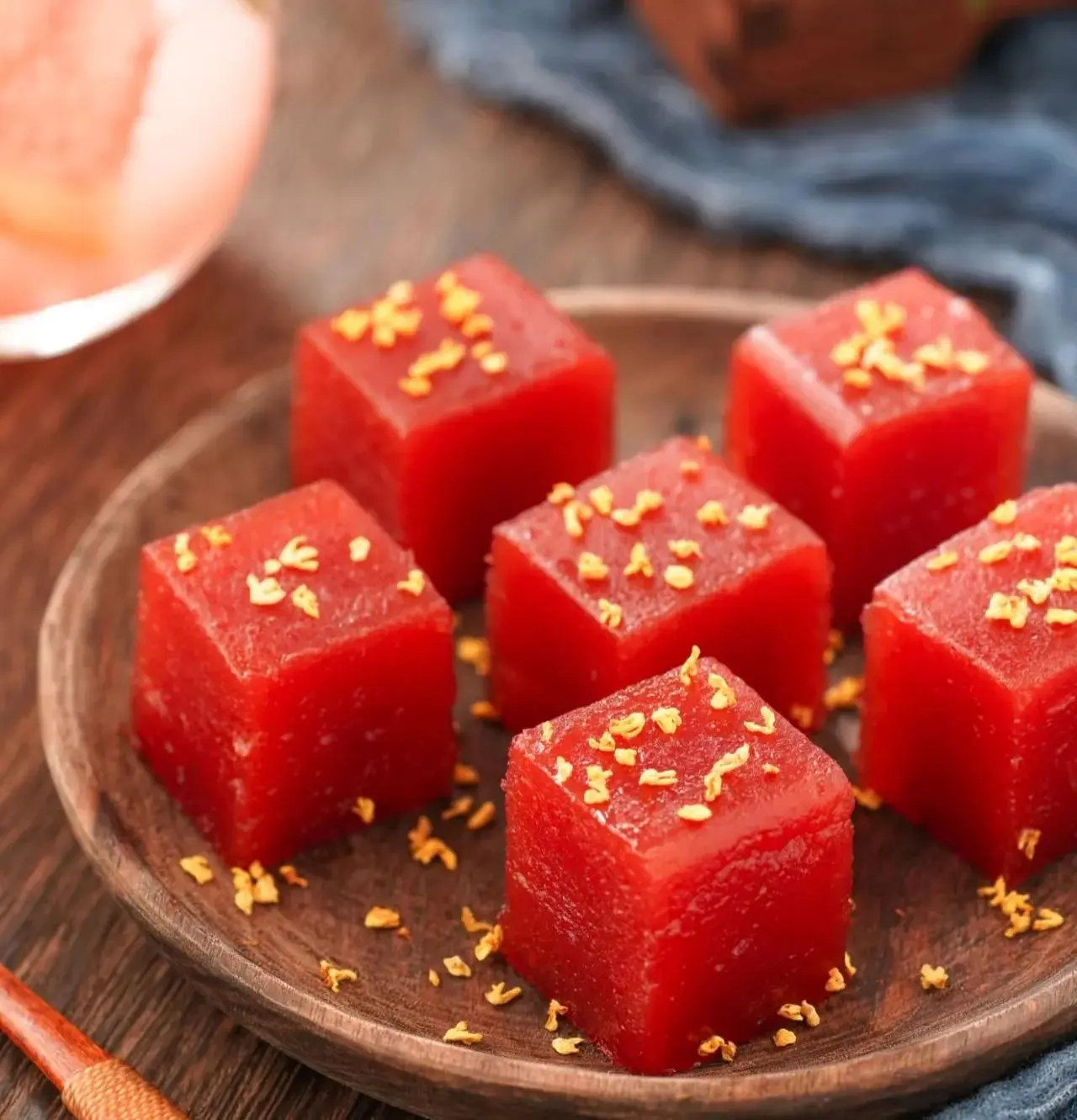
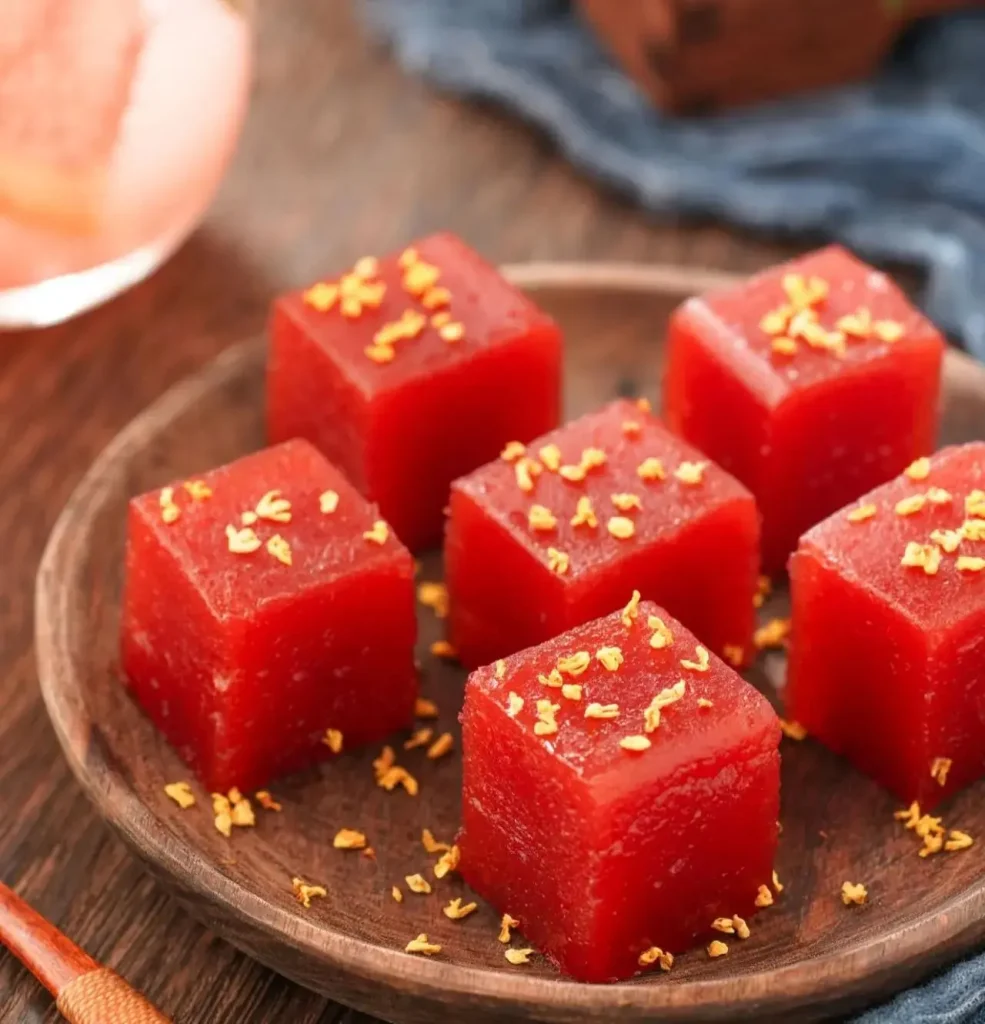
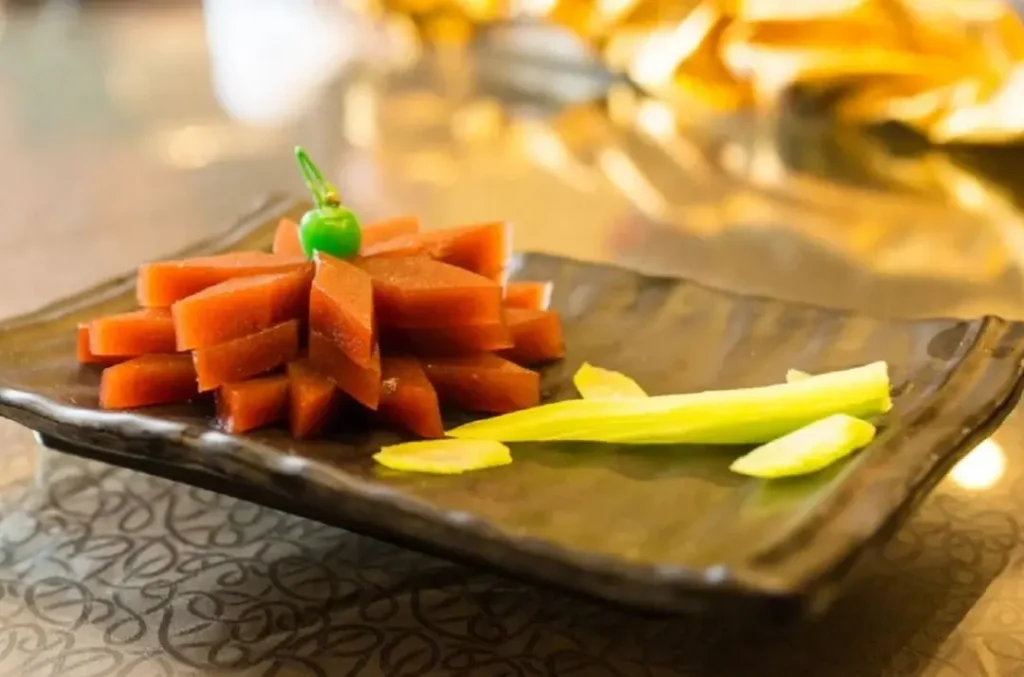
5. Suqian Crystal Hawthorn Cake
A century-old famous product of Suqian, it won a gold medal at the 1927 Panama-Pacific International Exposition and later earned first place in national fruit product evaluations. Made from local hawthorns through pitting, boiling, condensing, and cooling, it is crystal-clear and ruby-colored, with a natural sweet-sour taste that aids digestion. It can be eaten directly as a dessert or served to cut through rich flavors at banquets, making it a classic edible souvenir of Suqian.
Taste of Yancheng: A Journey Through Local Flavors
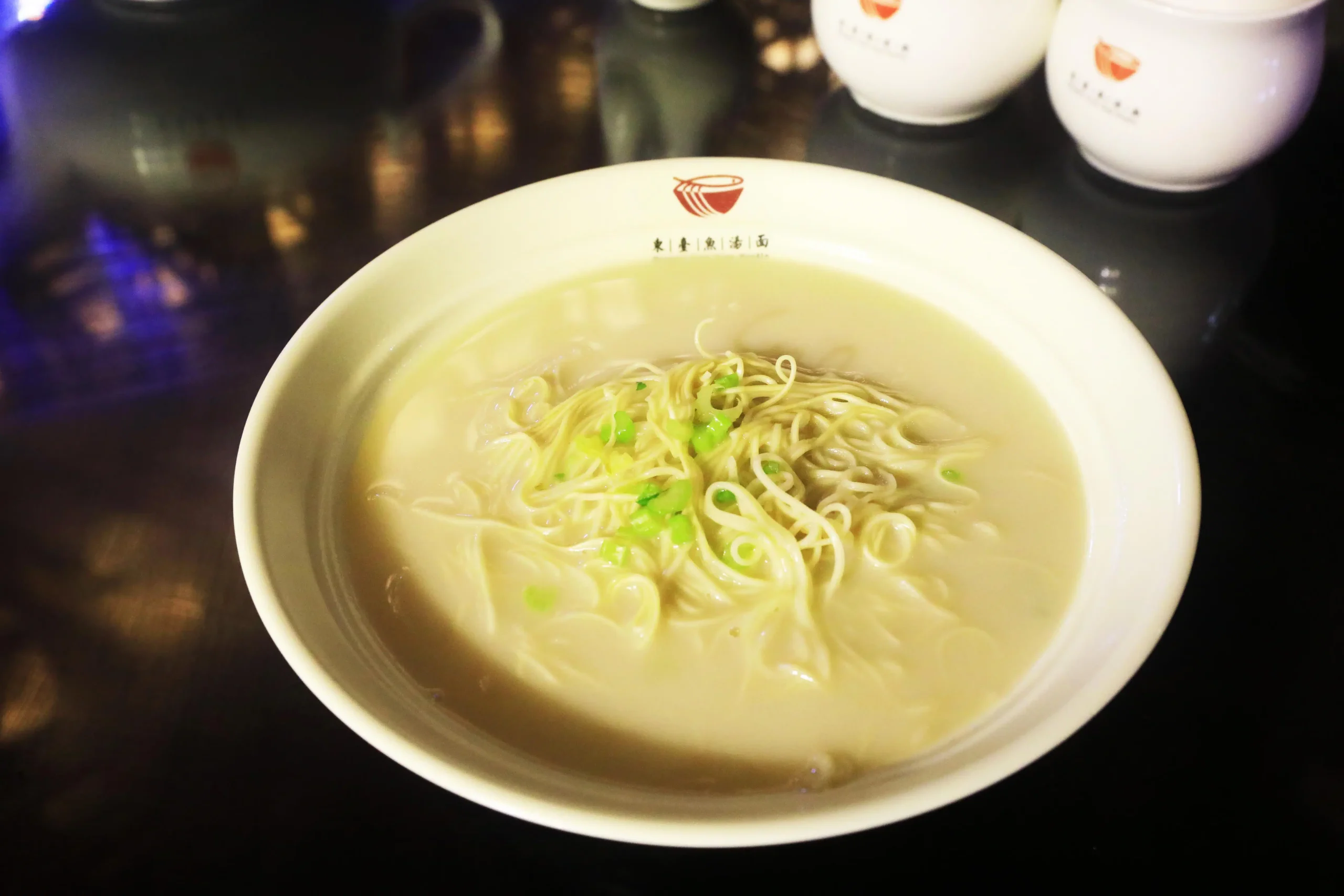
1、Yancheng Eight Great Bowls
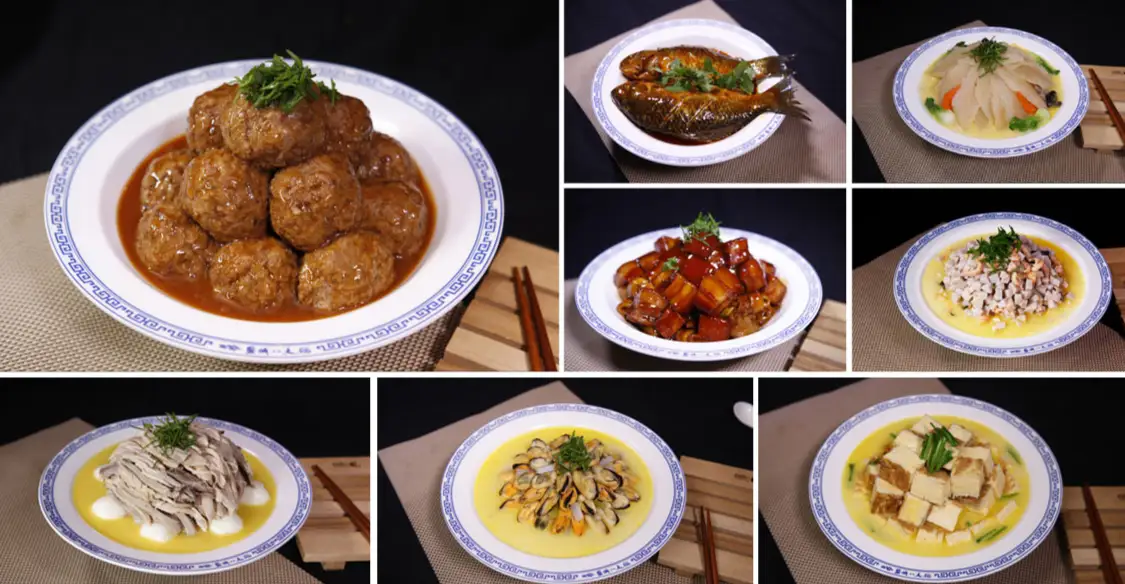
2、Dongtai Fish Soup Noodles
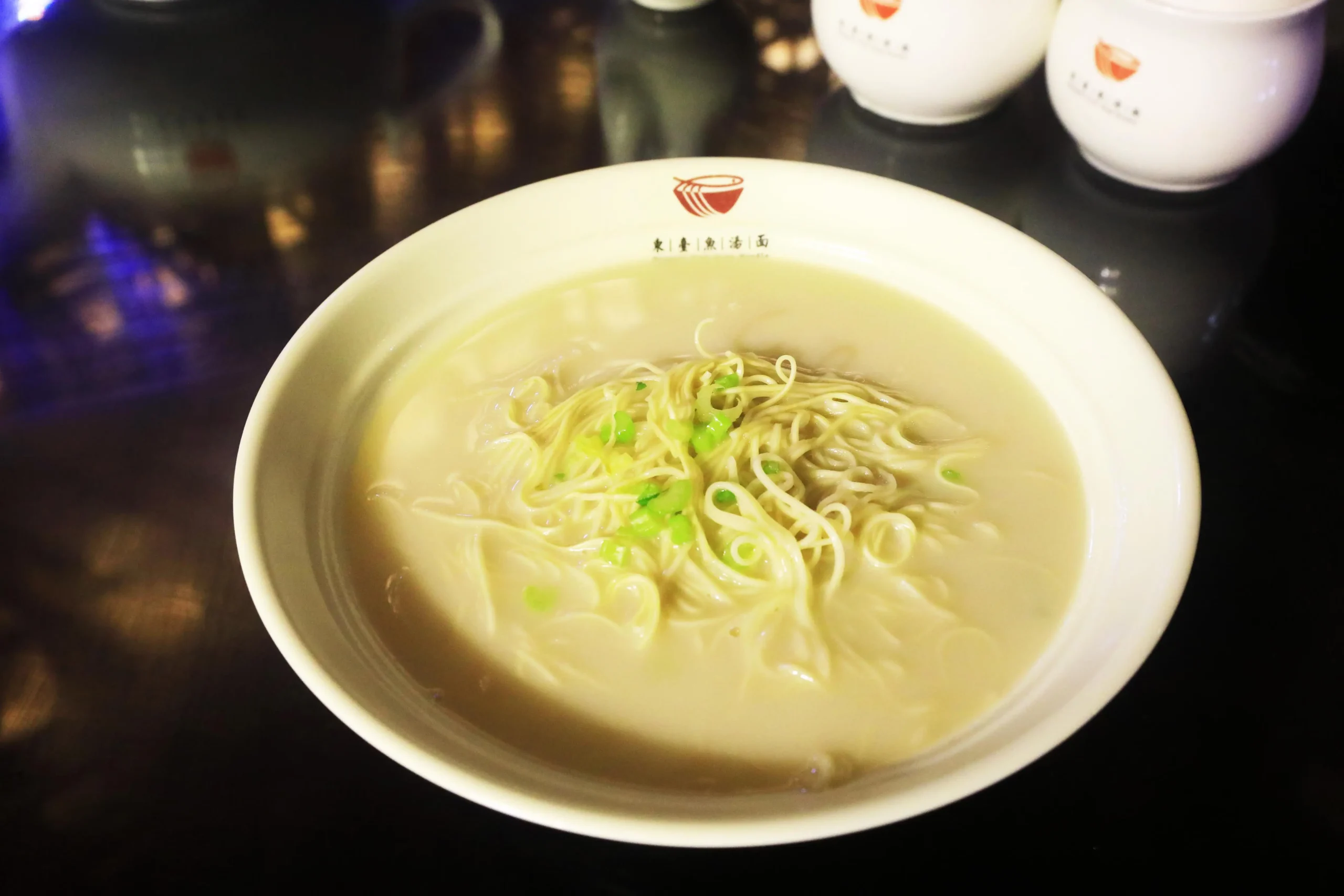
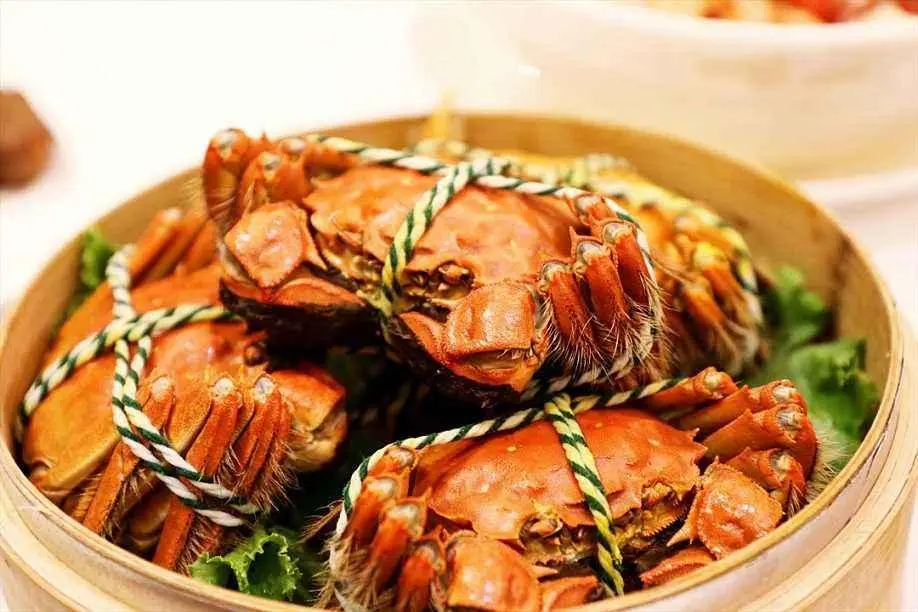
3、Dazong Lake Hairy Crab
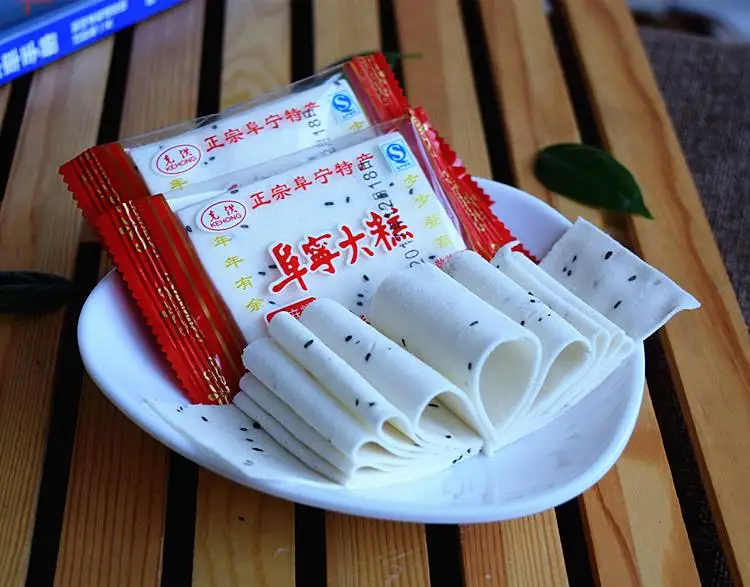
4、Funing Cake
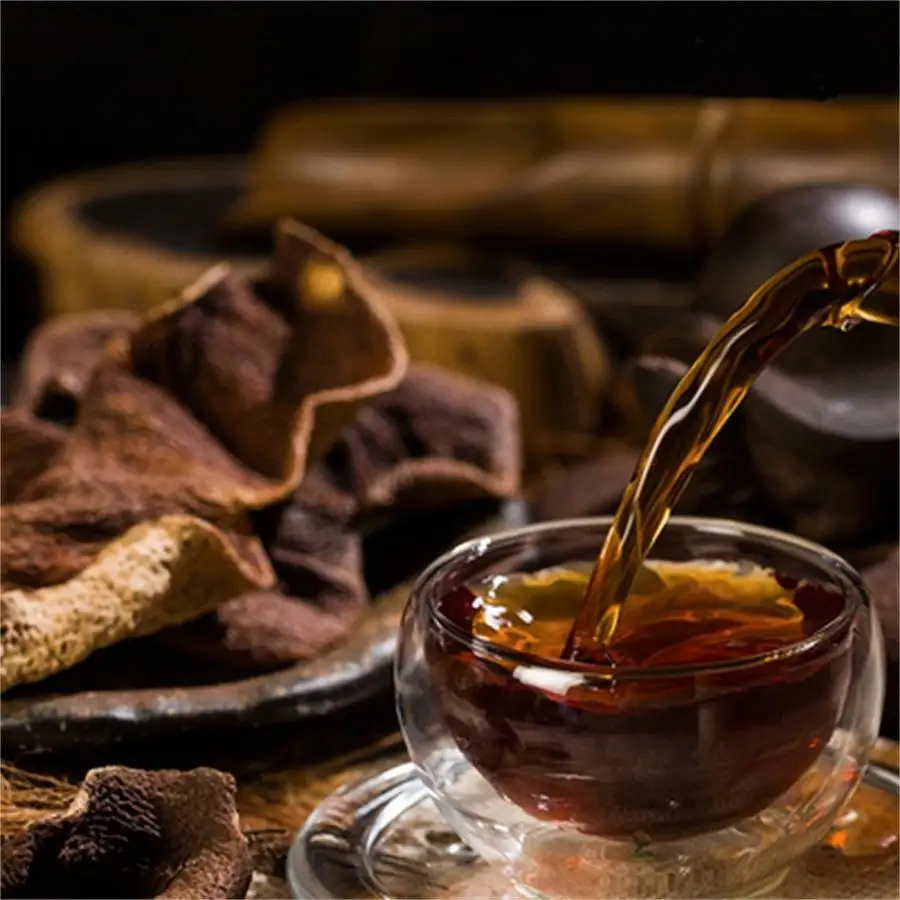
5、Dongtai Orange Peel Wine
Delicacies of Nantong: A Taste of Jianghai Culture
Nantong, located at the convergence of the Yangtze River and the coastal sea, is officially described by the Nantong Municipal Government as a city with a distinctive “Jianghai (River and Sea) cuisine culture.” According to the official Nantong government tourism portal, local cuisine is characterized by its emphasis on freshness, seasonal ingredients, and the rich flavors of river and seafood products, forming an important part of the city’s cultural identity and daily life.
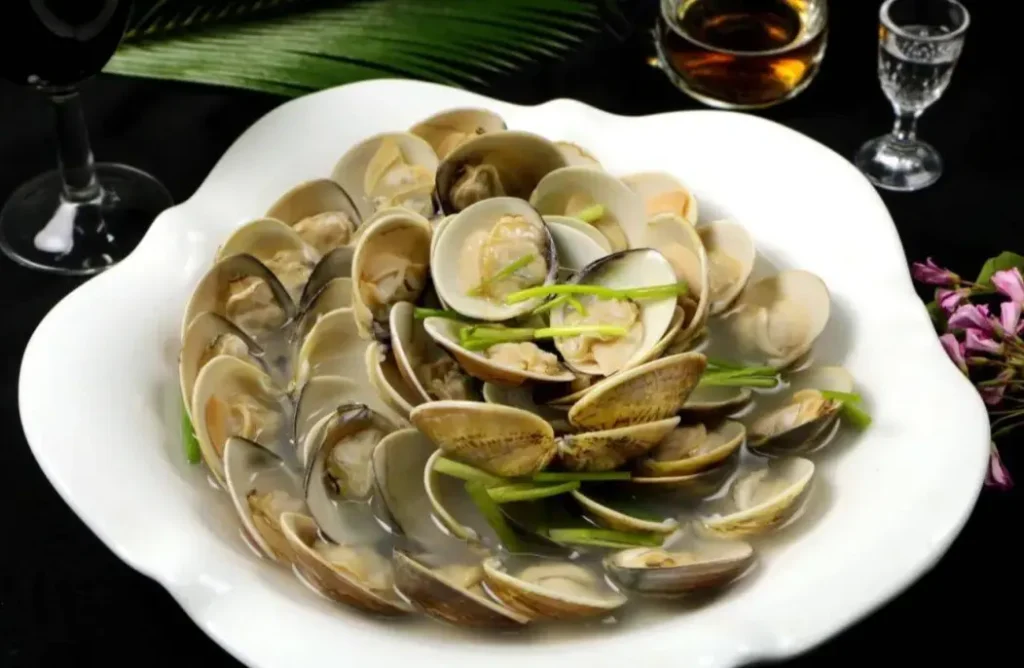
River and Sea Delicacies
Seafood specialties are often served in simple styles that emphasize original flavor rather than heavy seasoning, showcasing the culinary philosophy of “freshness first,” which is widely recognized in Jiangsu regional cuisine traditions.
Local Snacks and Everyday Flavors
These snacks are deeply rooted in local lifestyle, often prepared in traditional workshops and small street stalls. They reflect the everyday culinary habits of Nantong residents and represent an important part of the city’s intangible cultural heritage of food.
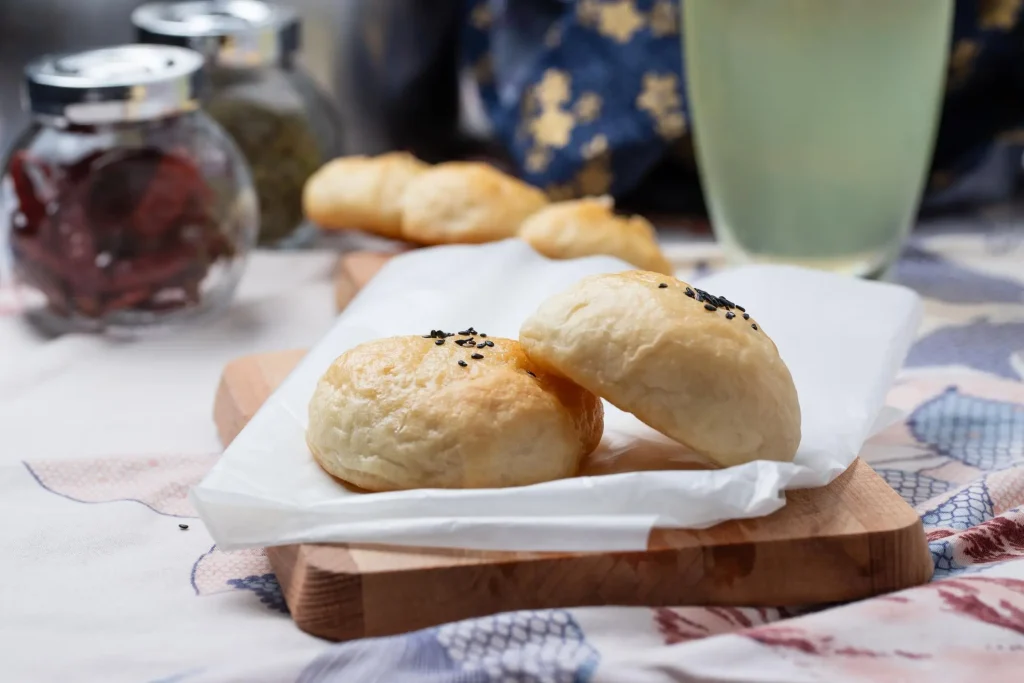
Steamed Saury
Steamed saury is one of the most representative seasonal delicacies in Nantong, frequently mentioned in official Jiangsu food culture publications. The fish is sourced from the Yangtze River basin and is valued for its delicate texture and seasonal freshness. It is usually prepared by steaming with light seasoning such as ginger and scallion to preserve its natural flavor, reflecting the Jiangnan culinary philosophy of “freshness above all.”
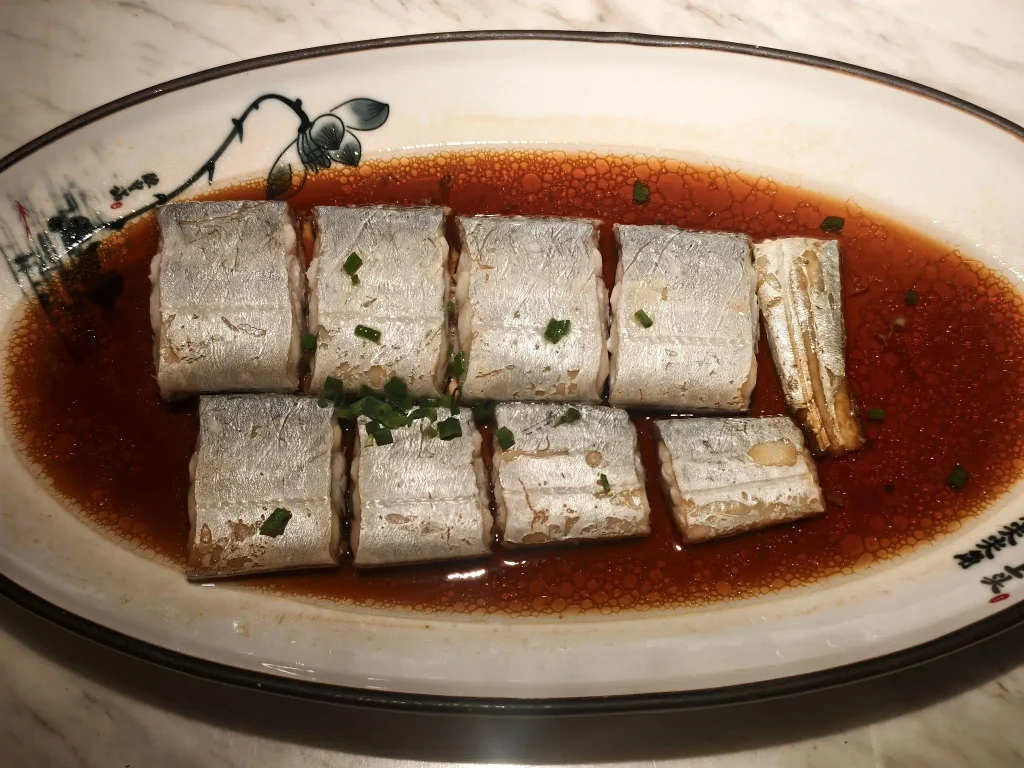
Steamed Saury
Steamed saury is one of the most representative seasonal delicacies in Nantong, frequently mentioned in official Jiangsu food culture publications. The fish is sourced from the Yangtze River basin and is valued for its delicate texture and seasonal freshness. It is usually prepared by steaming with light seasoning such as ginger and scallion to preserve its natural flavor, reflecting the Jiangnan culinary philosophy of “freshness above all.”