Taizhou Cuisine: A Taste of Jiangsu’s Water Town Culture
One of the most distinctive features of Taizhou’s food culture is its morning tea tradition (Zaocha), a unique lifestyle that combines breakfast, social gathering, and culinary heritage. From steaming baskets of buns to bowls of fish soup noodles, Taizhou’s food is not only about taste, but also about everyday life and cultural identity.
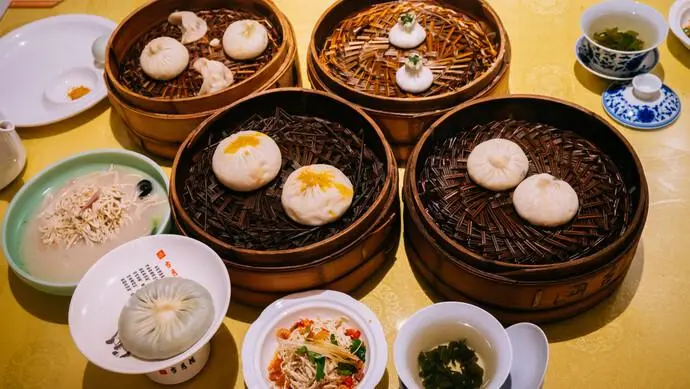
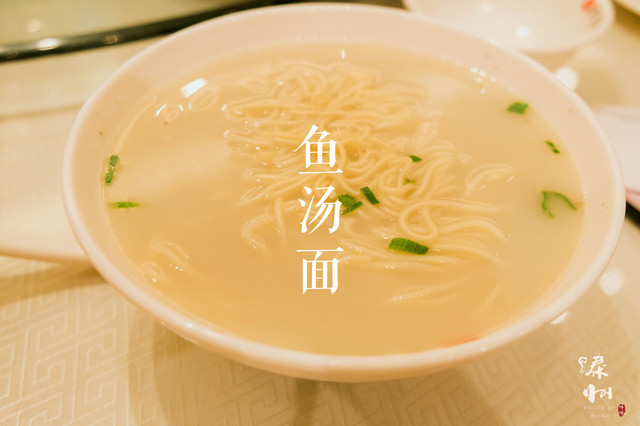
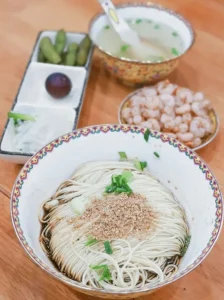
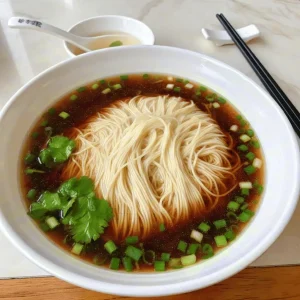
Fish Soup Noodles
This dish represents the essence of Huaiyang cuisine: light yet flavorful, simple yet refined, and is often enjoyed as a daily breakfast staple by locals.
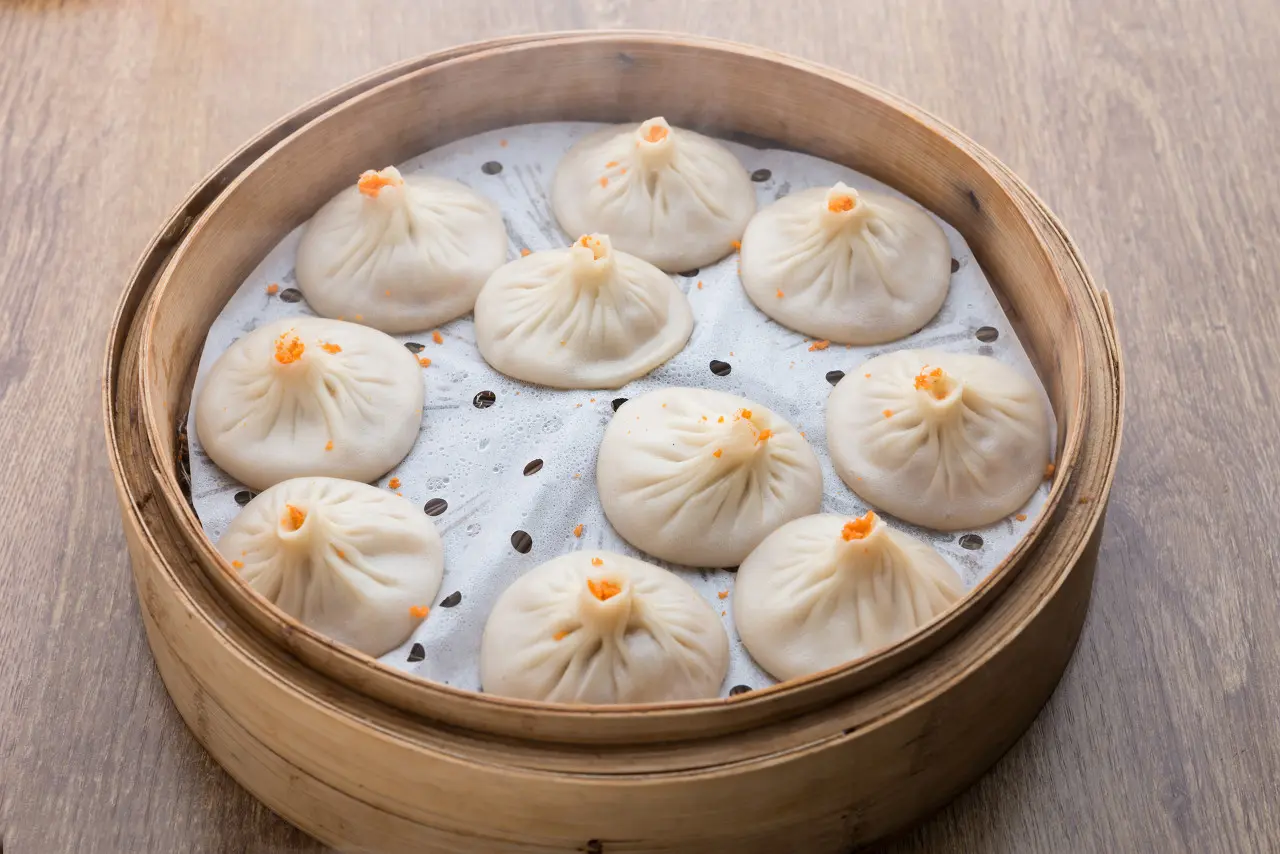
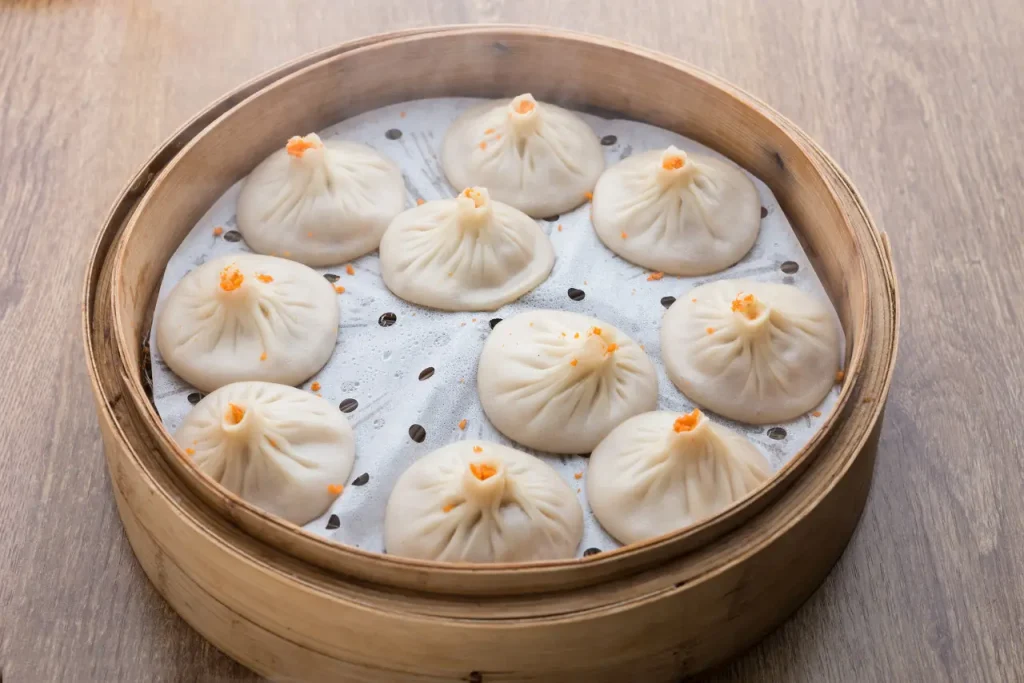
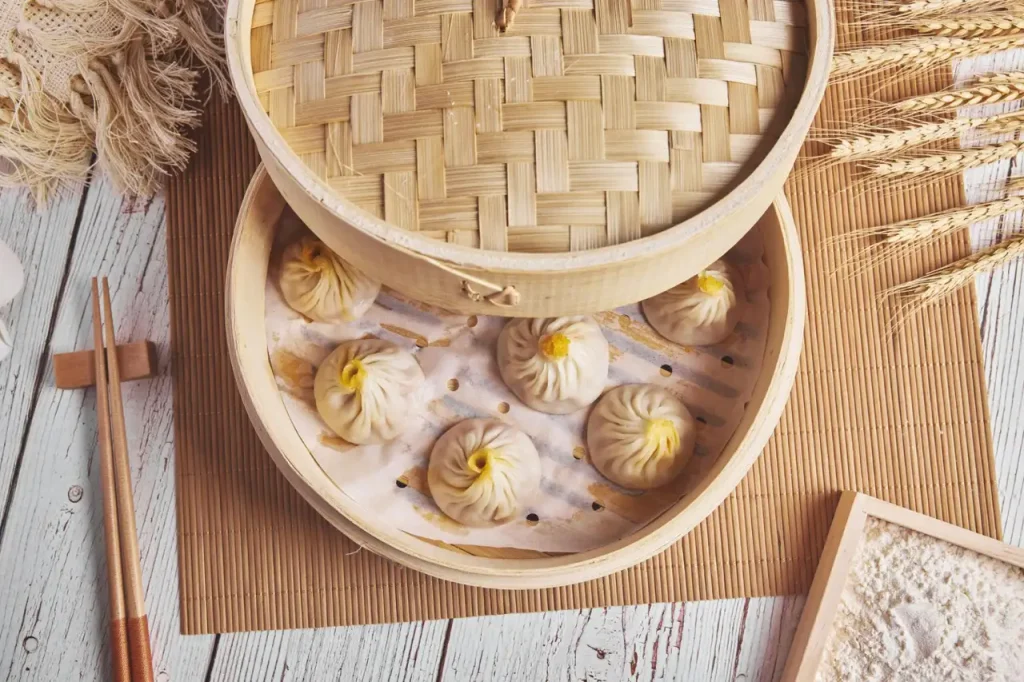
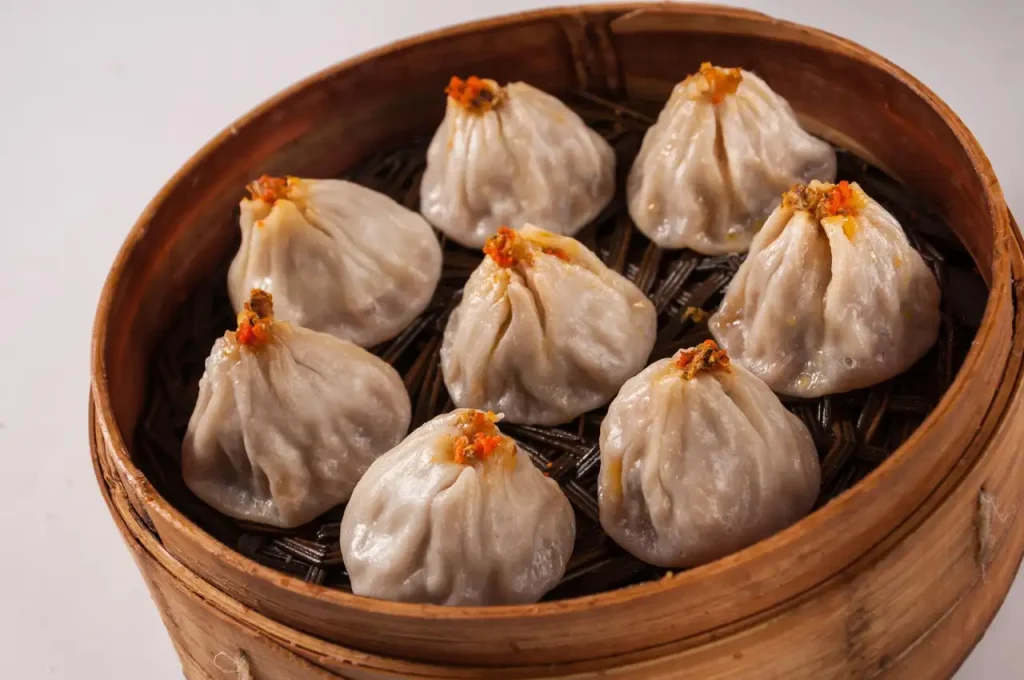
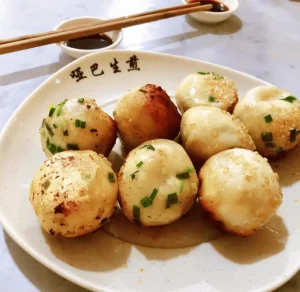
Crab Roe Soup Dumplings
They are widely recognized as one of China’s top regional dumpling specialties and represent the peak of seasonal ingredient utilization in Jiangsu cuisine.
Dried Tofu Strips
This dish reflects the precision cutting and delicate preparation techniques typical of Huaiyang cuisine, emphasizing texture and balance rather than strong seasoning.
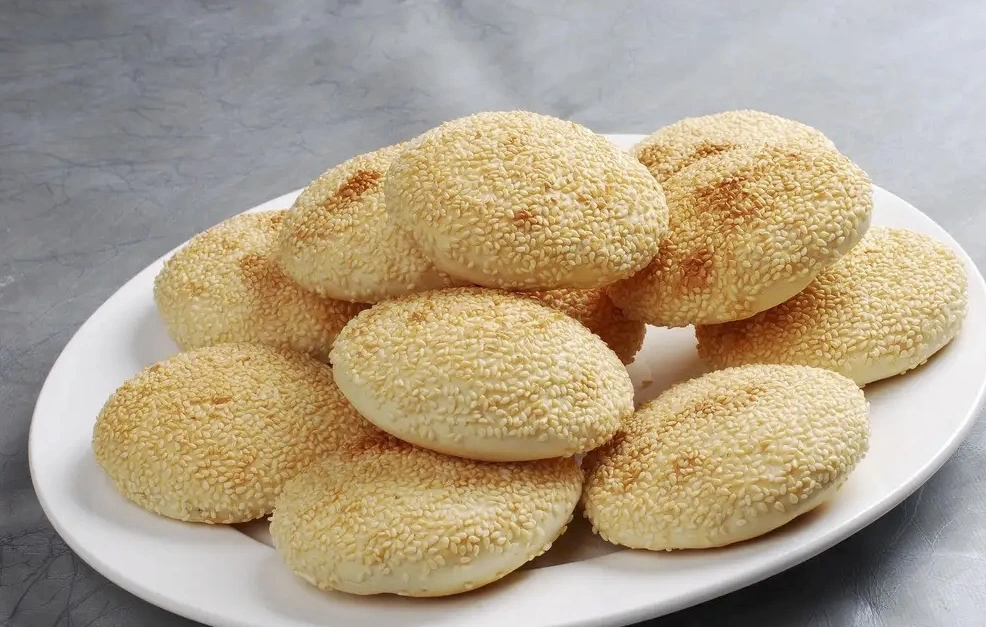
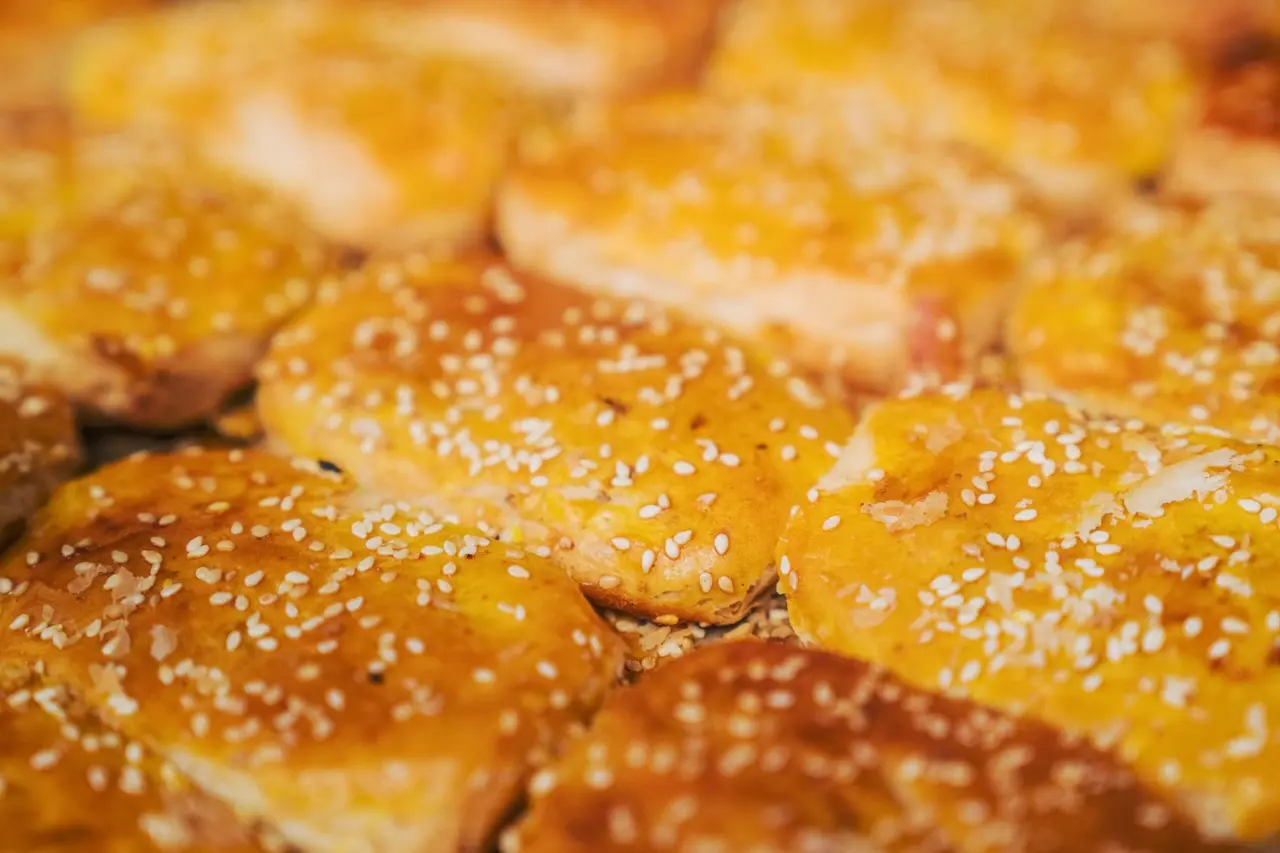
Huangqiao Sesame Cake
This baked pastry is widely sold in local streets and is a representative example of Taizhou’s grassroots culinary heritage.
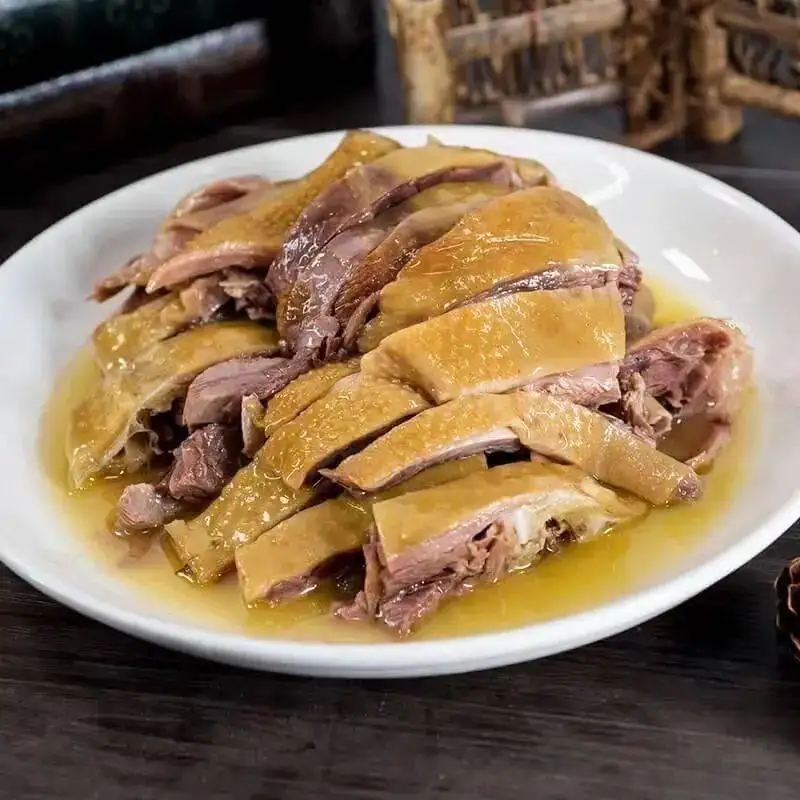
Salted Duck & Local River Cuisine
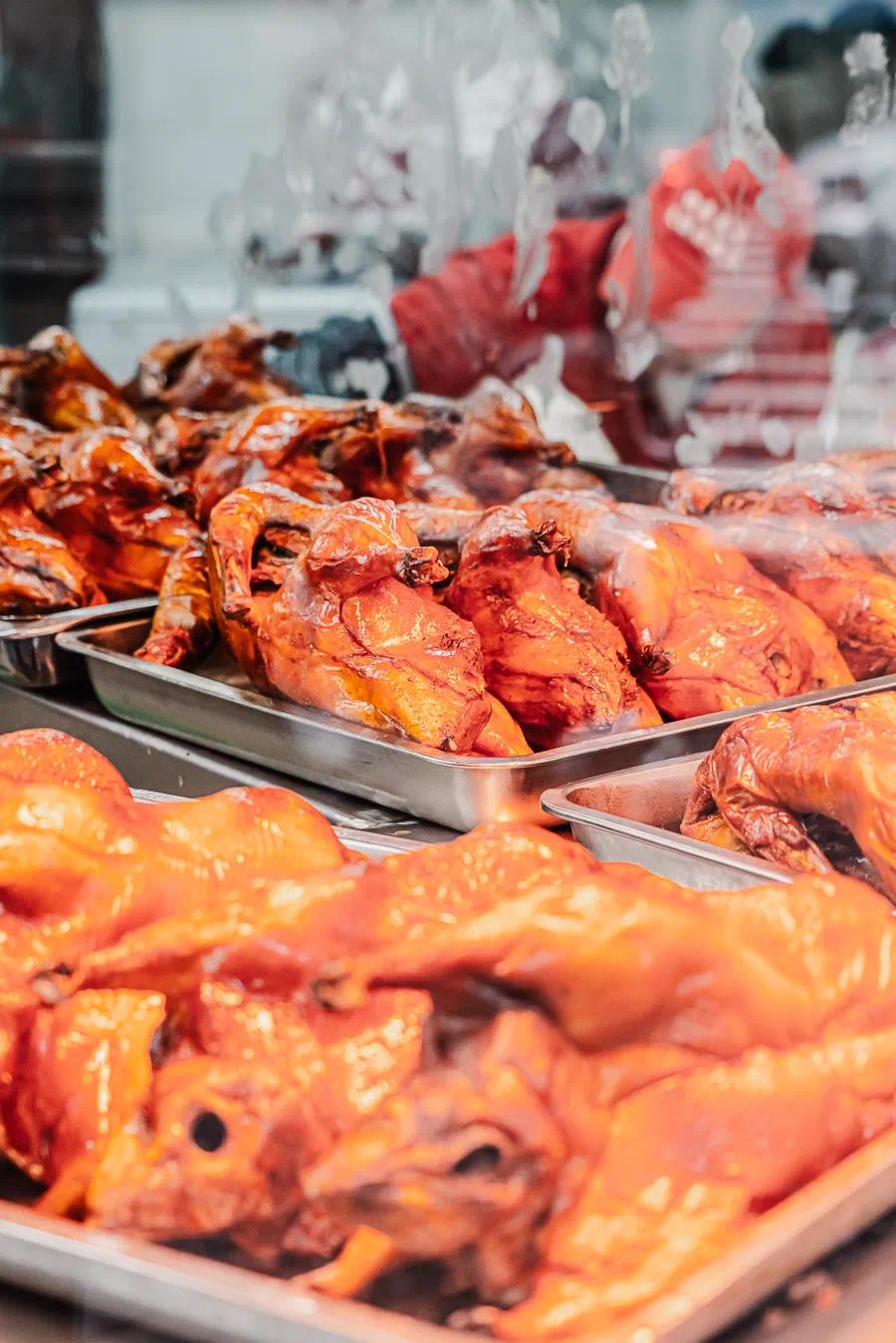
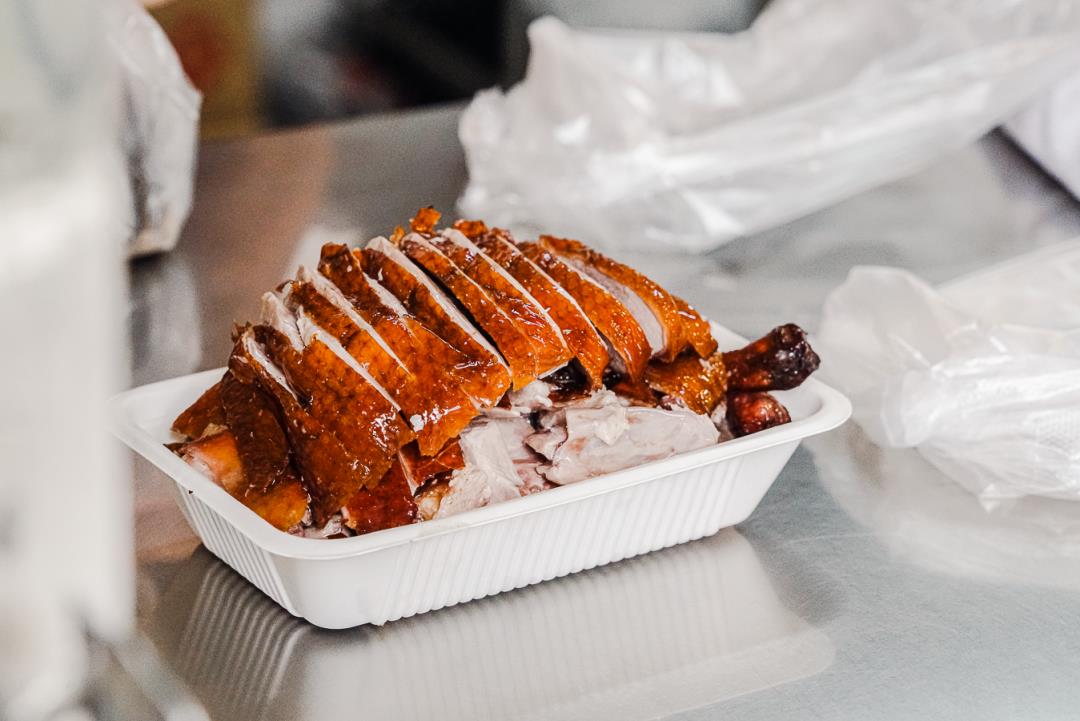
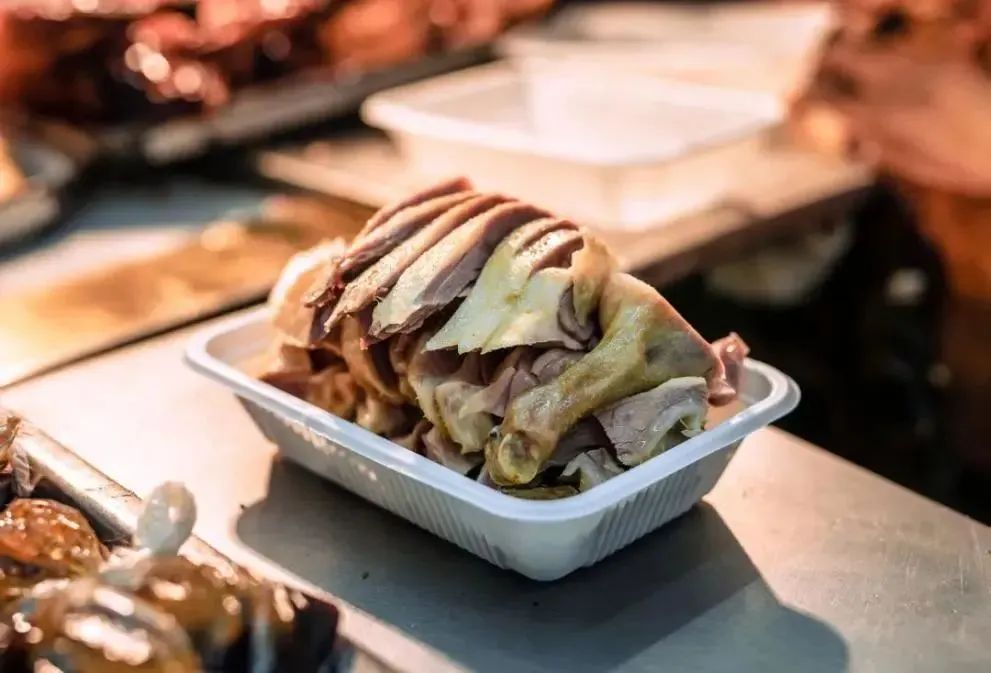
Salted Goose is slow-cooked and seasoned lightly, preserving the natural flavor of the meat. Together with river fish dishes, it represents the water-town culinary identity of Taizhou.
Delicious Cuisine of Zhenjiang, Jiangsu
Zhenjiang, a renowned national historical and cultural city sitting at the intersection of the Yangtze River and the Grand Canal in southern Jiangsu, boasts a time-honored food culture rooted in Huaiyang Cuisine, blending northern and southern Chinese culinary flavors with abundant river seafood resources from the Yangtze River. Local food features mild fresh taste, moderate sweet and salty flavor, refined cooking techniques, and is highlighted by Zhenjiang’s famous mature vinegar, forming the iconic “Three Oddities of Zhenjiang”: Crystal Pork, Pot-Cover Noodles and Well-aged Zhenjiang Vinegar, which have become the city’s most representative food symbols certified by Zhenjiang Municipal Bureau of Culture, Radio, Film, Television, Tourism and Sports.
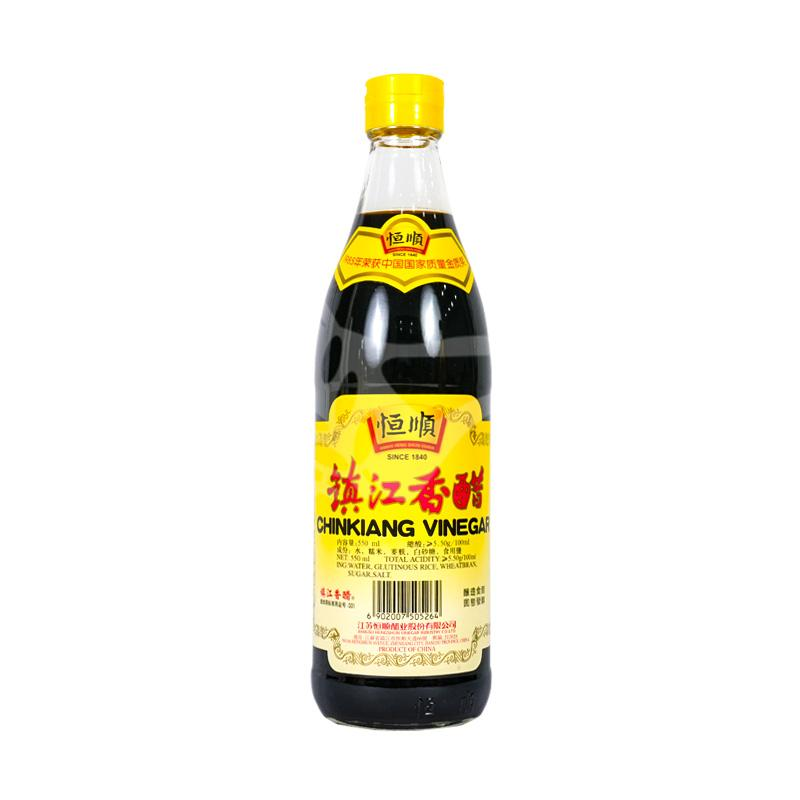
1.Zhenjiang Fragrant Vinegar (Chinkiang Vinegar)
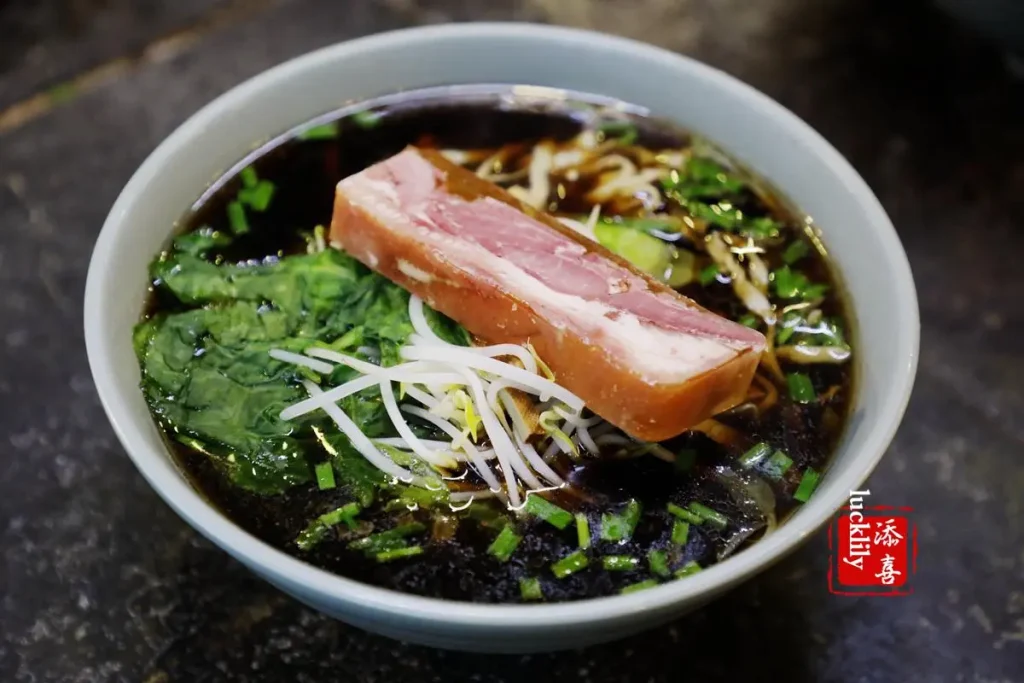
2.Pot-Lid Noodles (Guo Gai Mian)
Pot-lid noodles are one of Zhenjiang’s most iconic local dishes. The noodles are cooked in a large iron pot with a small wooden lid floating on the surface, which helps regulate heat and improves texture. Served with pork, vegetables, or seasonal ingredients, the noodles are known for their smooth texture and rich, savory broth.
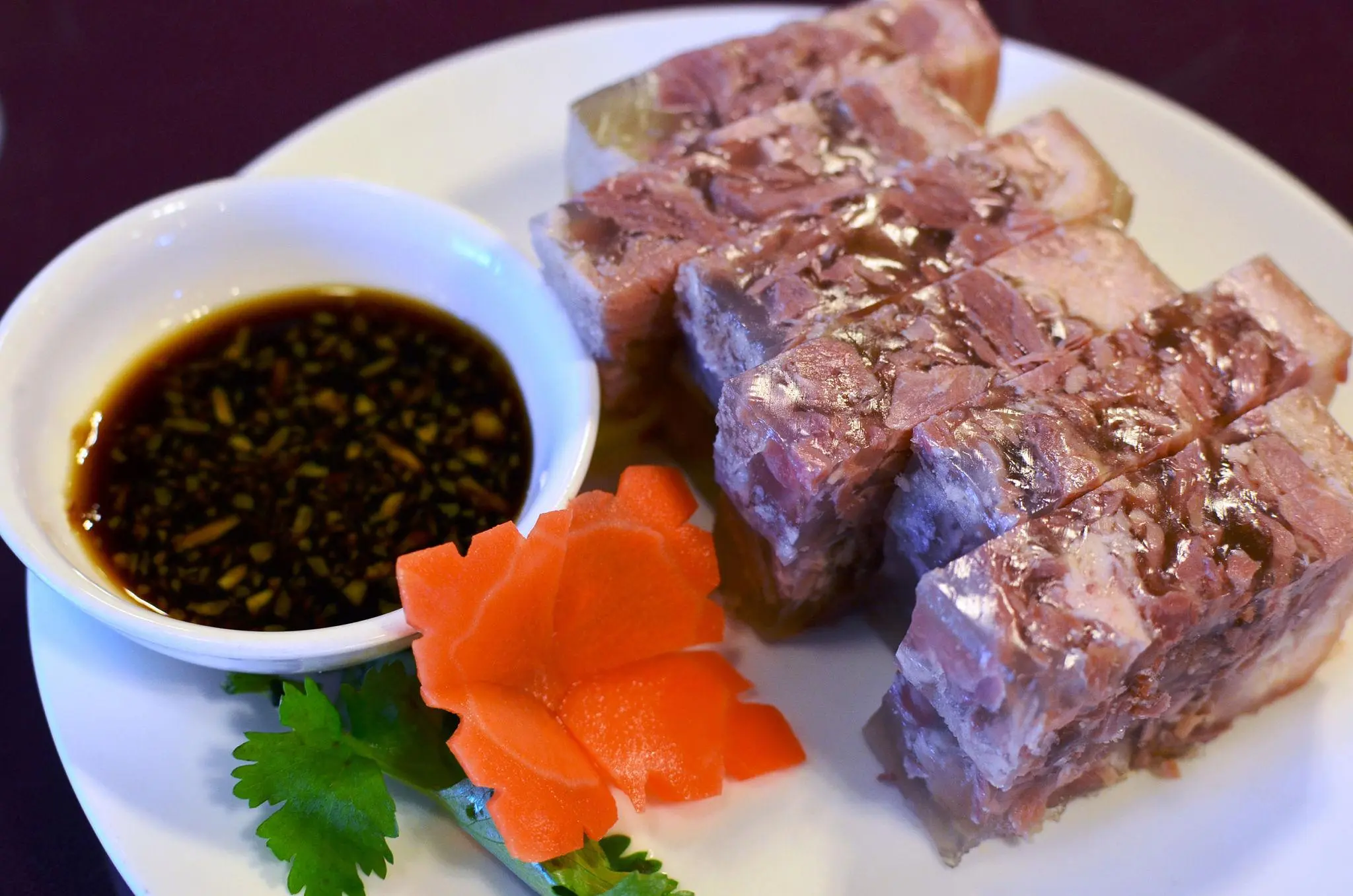
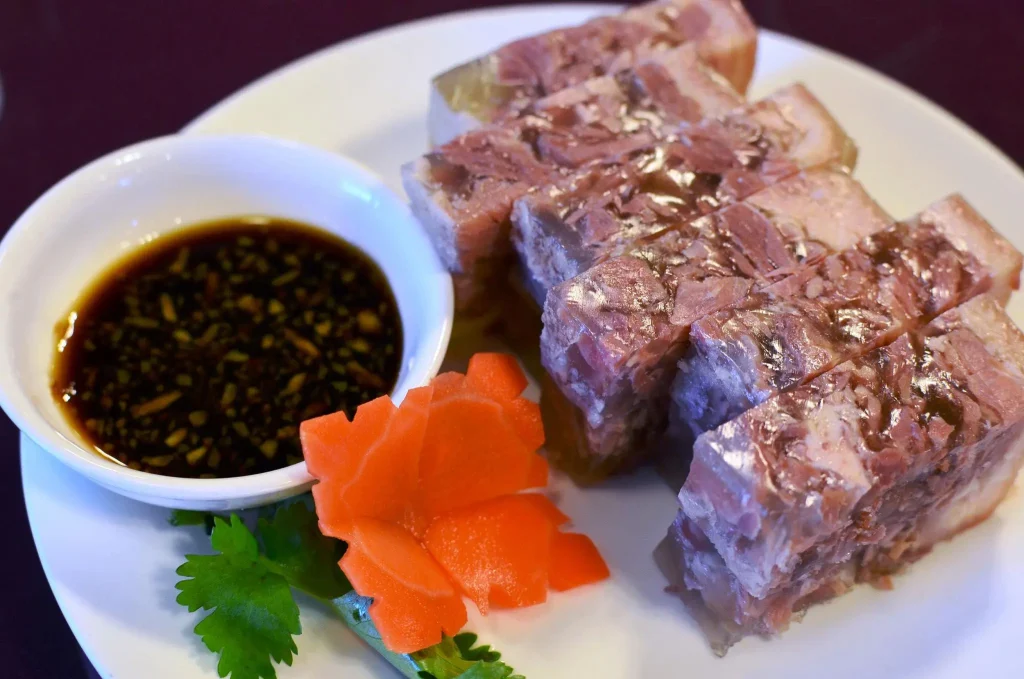
3.Yao Meat (Jellied Pork)
Yao meat is a traditional cold dish made from carefully selected pork that is slowly cooked and cooled into a crystal-clear jelly-like texture. It is commonly eaten as a breakfast dish in Zhenjiang and is traditionally served with local fragrant vinegar and ginger, offering a refreshing and savory flavor profile.
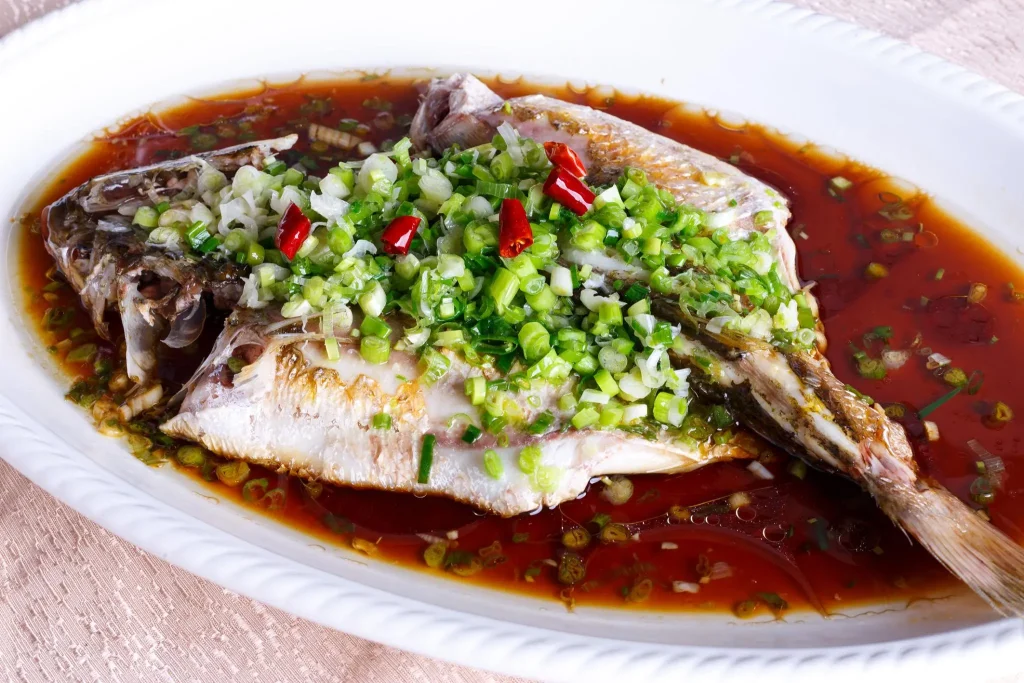
4.Yangtze River Fish Cuisine
Located along the Yangtze River, Zhenjiang has a rich tradition of freshwater fish cuisine. Local chefs prepare fish using steaming, braising, and stewing techniques to preserve natural freshness. River fish dishes are an essential part of Jiangnan culinary culture, emphasizing light seasoning and original flavors.
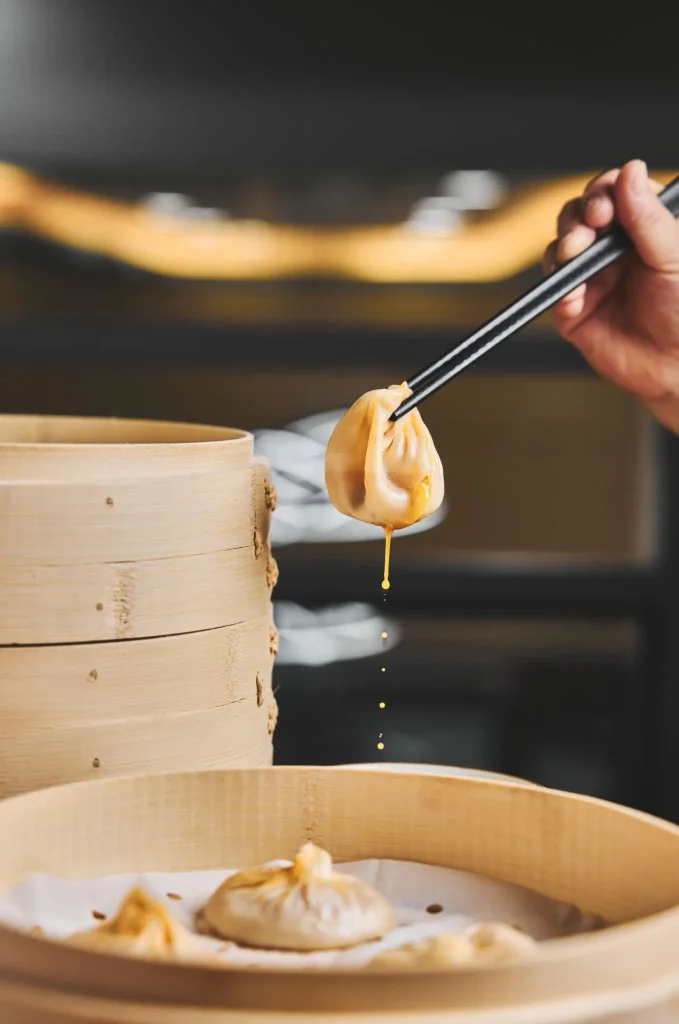
5.Crab Roe Soup Dumplings
Crab Roe Soup Dumplings are a highly representative delicacy of Jiangsu’s Huaiyang culinary tradition, widely featured in official Jiangsu gastronomy promotions. The dumplings are filled with rich crab roe and gelatinized broth, which turns into a flavorful soup when steamed. Known for their thin skin and abundant filling, they are often regarded as one of the most refined expressions of Jiangnan breakfast culture.
Suzhou Must-Try Foods(Top 10)
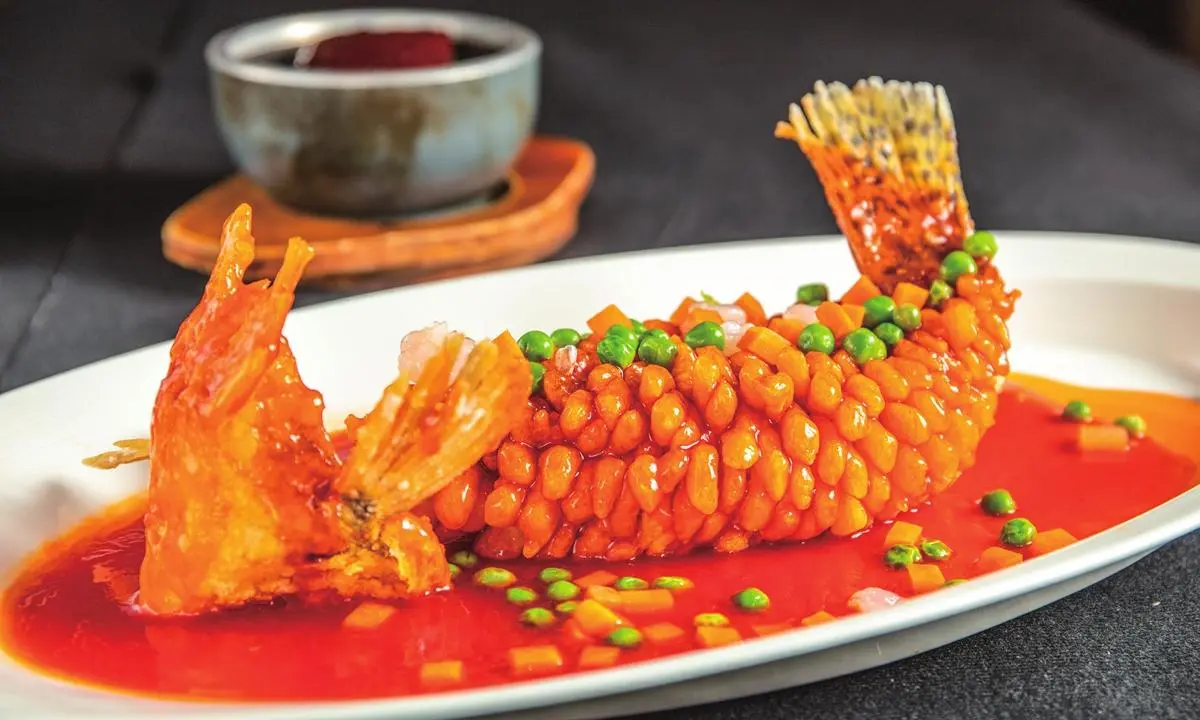
Suzhou Cuisine is one of the most refined culinary traditions in China, known for its delicate sweetness, seasonal ingredients, elegant presentation, and deep connection to Jiangnan culture. From iconic dishes like Squirrel Mandarin Fish to seasonal specialties such as Yangcheng Lake Hairy Crab, Suzhou offers a unique gastronomic experience that blends tradition with sophistication.
1.Squirrel Mandarin Fish
2.Aozao Noodles
3.Yangcheng Lake Hairy Crab
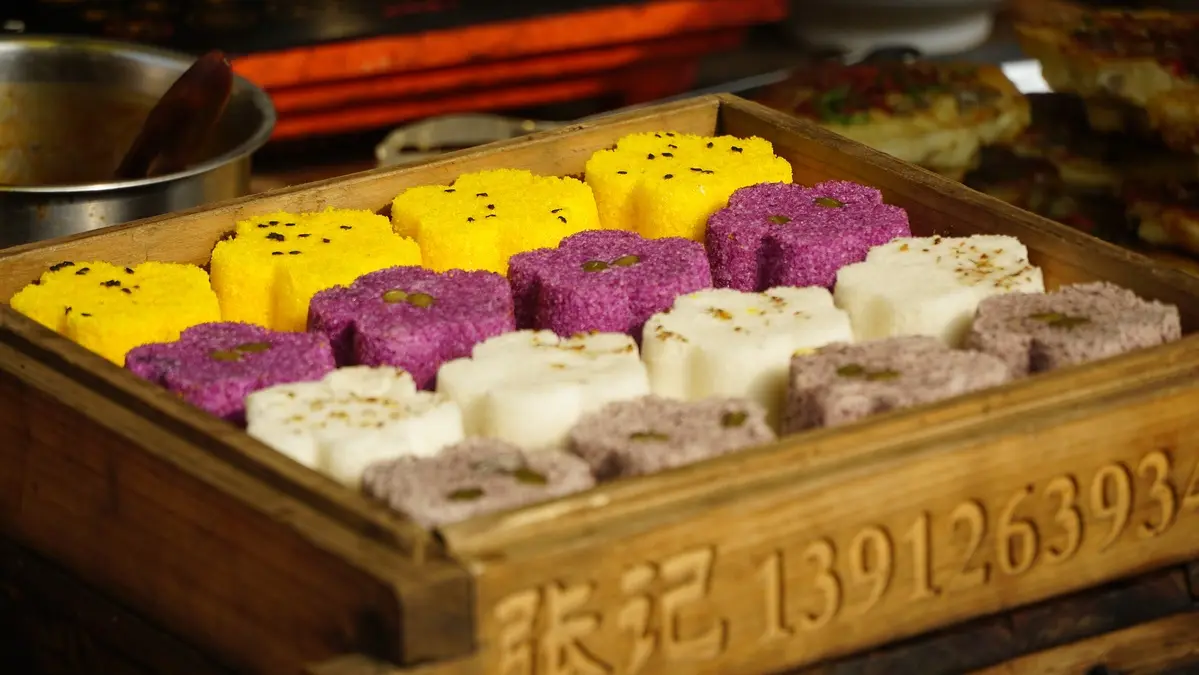
4.Suzhou-style Pastries
5.Osmanthus Sweet Lotus Root
A classic dessert combining lotus root stuffed with sticky rice and fragrant osmanthus syrup.
6.Squirrel Mandarin Fish
7.Aozao Noodles
8.Yangcheng Lake Hairy Crab
9.Suzhou-style Pastries
10.Osmanthus Sweet Lotus Root
A classic dessert combining lotus root stuffed with sticky rice and fragrant osmanthus syrup.
Taste Changzhou: A Culinary Journey Through Jiangnan
The Flavor of Changzhou
Located in the heart of the Yangtze River Delta, Changzhou is renowned for its refined Jiangnan culinary culture. Influenced by Huaiyang cuisine while developing its own local characteristics, Changzhou cuisine emphasizes the freshness of ingredients, delicate preparation techniques, and a harmonious balance of flavors. Local dishes are known for being fresh, tender, slightly sweet, and rich in texture, reflecting the city’s elegant lifestyle and long-standing culinary traditions. According to the official Changzhou city introduction, local cuisine combines the freshness and delicacy of Huaiyang cooking with innovative flavors that have evolved over centuries.
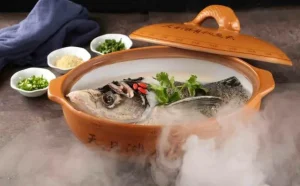
Signature Dishes and Local Specialties
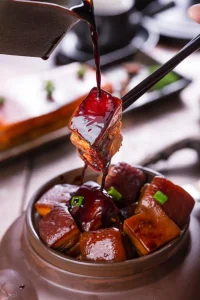
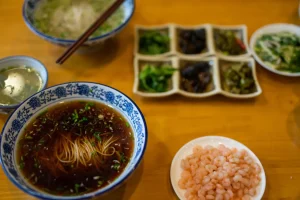
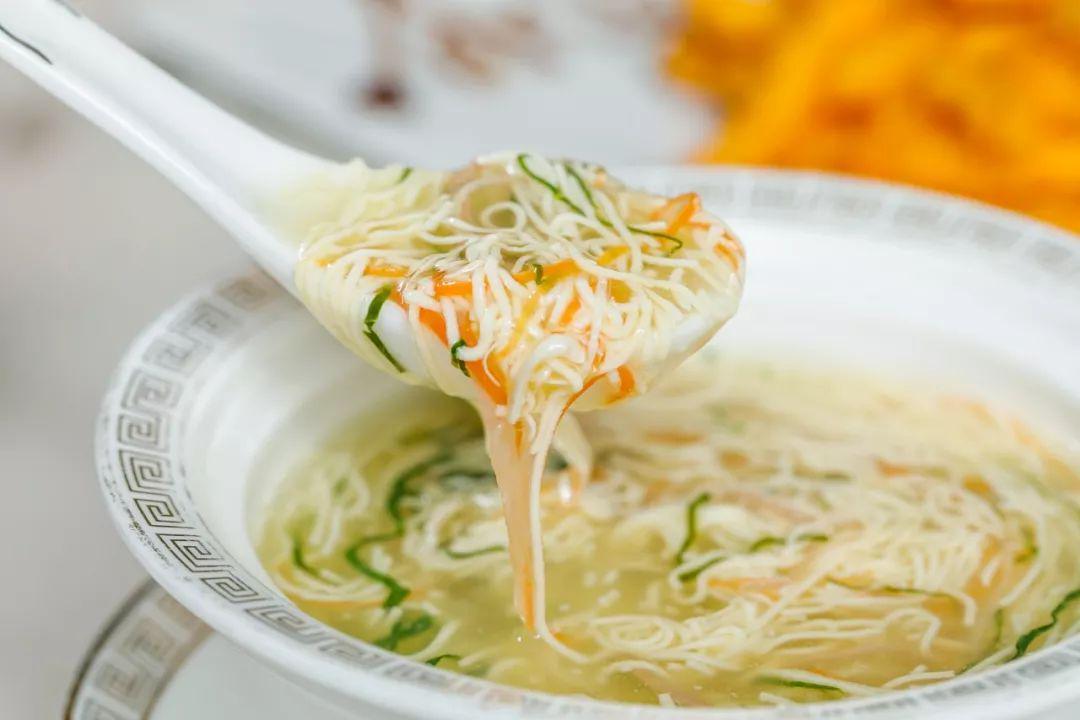
Among Changzhou’s most famous delicacies, Tianmu Lake Fish Head Casserole is considered the city’s signature dish. Made with fresh fish from Tianmu Lake and simmered in a rich broth, it is celebrated for its delicate flavor and nutritional value. Other well-known specialties include Silver Thread Noodles, Crystal Shrimp, Pork Braised in Distillers’ Grains, Stir-fried Rice with Pickled Radish, Sweet Osmanthus Taro, and the city’s traditional Sesame Sugar and Sesame Cakes. These dishes showcase Changzhou’s ability to transform simple local ingredients into memorable culinary experiences. The official city profile lists these specialties among the representative delicacies of Changzhou.
A City Where Food Meets Culture
Food in Changzhou is more than a daily necessity—it is an important part of local culture and identity. From traditional family-run restaurants to modern dining venues, visitors can experience the city’s hospitality through its cuisine. Whether enjoying a bowl of handmade noodles, tasting seasonal lake delicacies, or sharing a traditional Jiangnan banquet, every meal tells a story about Changzhou’s history, waterways, agricultural heritage, and way of life. Today, Changzhou continues to preserve its culinary traditions while embracing innovation, making it an attractive destination for travelers seeking authentic flavors of Jiangnan China.
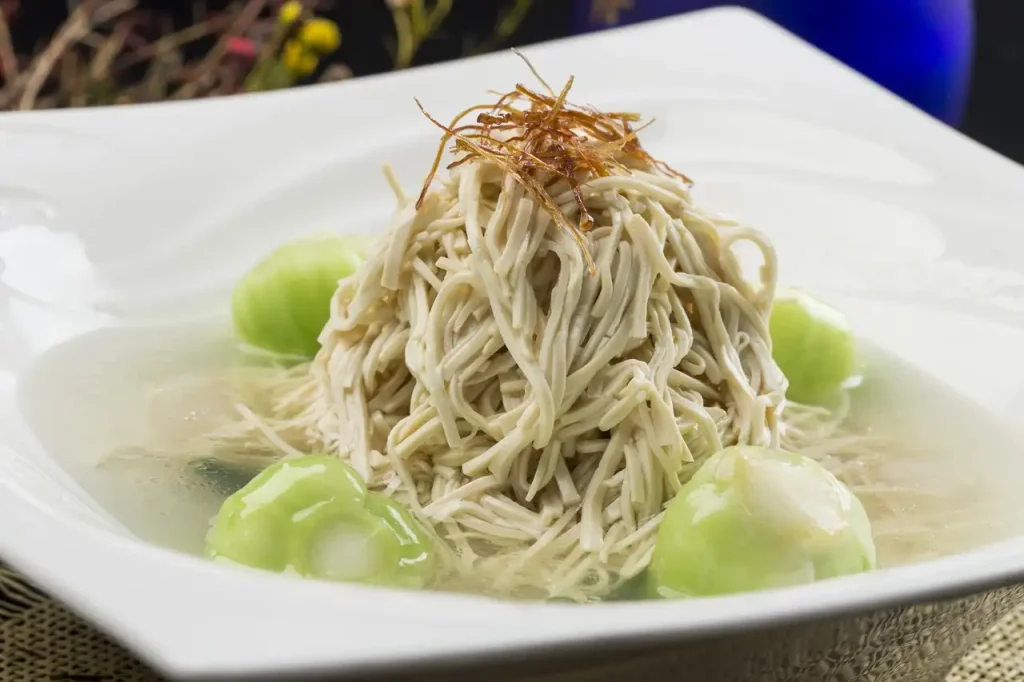
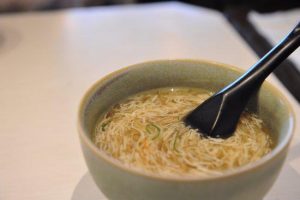
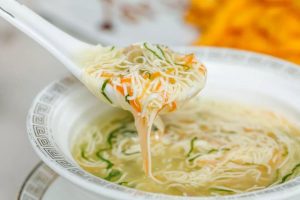
Wensi Tofu
Wensi Tofu is the pinnacle of Huaiyang knife skills. A block of silky soft tofu is sliced into strands as fine as hair — so fine that hundreds of them bloom like clouds when gently stirred into a clear chicken broth. The dish was created by Monk Wensi at Yangzhou’s Tianning Temple during the Qing Dynasty and later became a favorite of Emperor Qianlong.
Cutting Wensi Tofu requires supreme concentration and years of practice: steady hands, a quiet mind, and perfectly uniform strands. In a true Wensi Tofu soup, the tofu filaments are thin enough to thread a needle. Today, chefs continue to reinvent this classic — some serve it with jujube jelly and caviar, creating a delightful sweet-savory fusion
Yangzhou Fried Rice
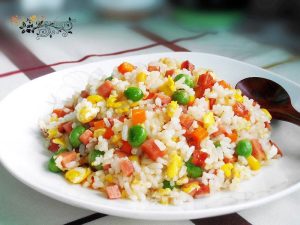
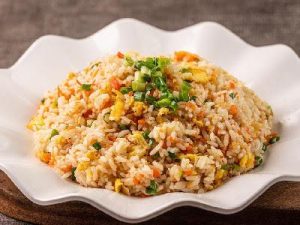
Yangzhou fried rice is not just fried rice — it’s a dish with heritage. Each grain of rice stands separate, coated in egg and wok aroma. A premium version contains over ten ingredients: ham, eggs, shrimp, chicken, dried scallops, shiitake mushrooms, and green peas. The authentic Yangzhou fried rice follows the principle of “egg embracing rice, rice carrying fragrance” — precise heat control ensures the rice is chewy without being sticky.
Today, Yangzhou fried rice has become Huaiyang cuisine’s global ambassador. Some versions are wok-fried live by intangible cultural heritage inheritors, with a single serving priced at 238 RMB — not just a meal, but a culinary performance
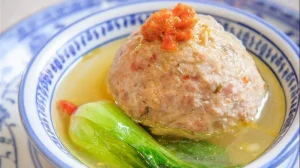
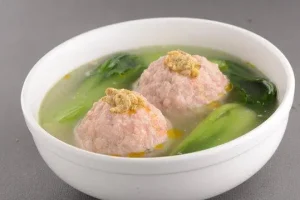
Minced Crab Meat Pork Ball
The crab meat lion’s head is the ultimate testament to Huaiyang culinary craftsmanship. The pork belly is hand-cut into pomegranate-seed-sized pieces — never ground — then mixed with crab roe and crab meat, and molded into fist-sized balls. Slowly braised for hours, the meat becomes tender and melts in the mouth without a hint of greasiness.
The dish gets its name from the meatball’s resemblance to a lion’s head. Served in a clay pot, the meatball is so tender you can break it apart with a spoon. The broth seeps into every strand of meat, while the crab’s umami mingles with the pork’s richness. This dish has graced state banquets, winning over dignitaries from around the world.
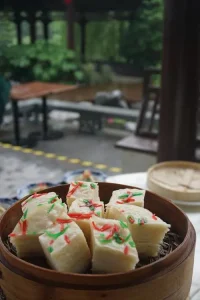
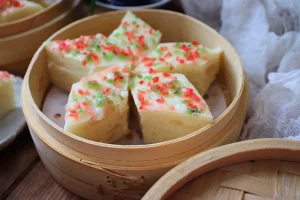
Multiple Layer Oil Cake
Thousand-Layer Oil Cake is the crown jewel of Yangzhou’s pastry tradition. Alongside Jade-Colored Siu Mai, it forms the famous “Two Delicacies of Yangzhou.” Its defining feature is its structure — 64 distinct layers, each clearly visible.
The cake is made using a slow-fermentation method. The dough is proofed for an extended period at low temperature, then folded repeatedly during rolling to create 64 paper-thin layers, with sugar and lard spread between each. After steaming, it is cut into diamond-shaped pieces, revealing a translucent芙蓉色 (lotus-white) interior. The surface is garnished with red and green threads for a festive touch.
In 1983, Yangzhou master pastry chef Dong Dean presented Thousand-Layer Oil Cake at the National Culinary Competition. His exceptional skill astonished the judges, earning him the title of “China’s Best Pastry Chef.” One bite delivers a soft, sweet, and melt-in-your-mouth texture — and those 64 layers are not just a marketing claim; you can taste every single one.
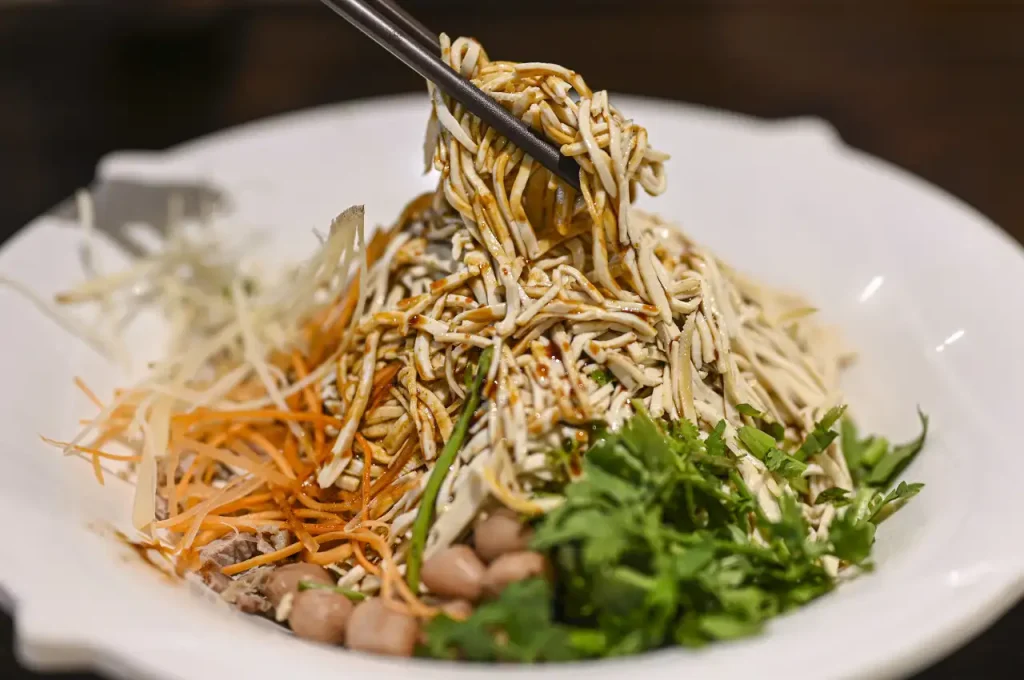
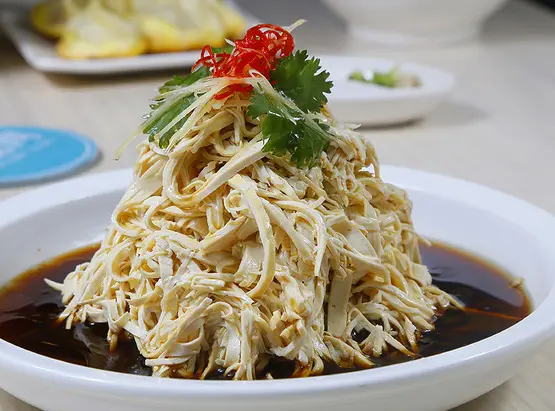
Boiled Shredded Dried Tofu
Tang Gansi is the quintessential starter of Yangzhou’s morning tea. A single block of dried tofu is sliced paper-thin — so thin that a 2 cm thick piece can be cut into 30 slices and then into hundreds of silky shreds. The shreds are then scalded three times in hot water to remove any raw bean flavor, dressed with hot soy sauce, and topped with ginger shreds, dried shrimp, and cilantro.
The celebrated writer Zhu Ziqing once wrote in his essay “On Yangzhou”: “It is so pure and clean that it doesn’t interfere with enjoying other dishes.” For Yangzhou locals, a bite of Tang Gansi paired with a soup dumpling is the perfect start to a leisurely morning.
Nanjing cuisine is still too diverse and extensive
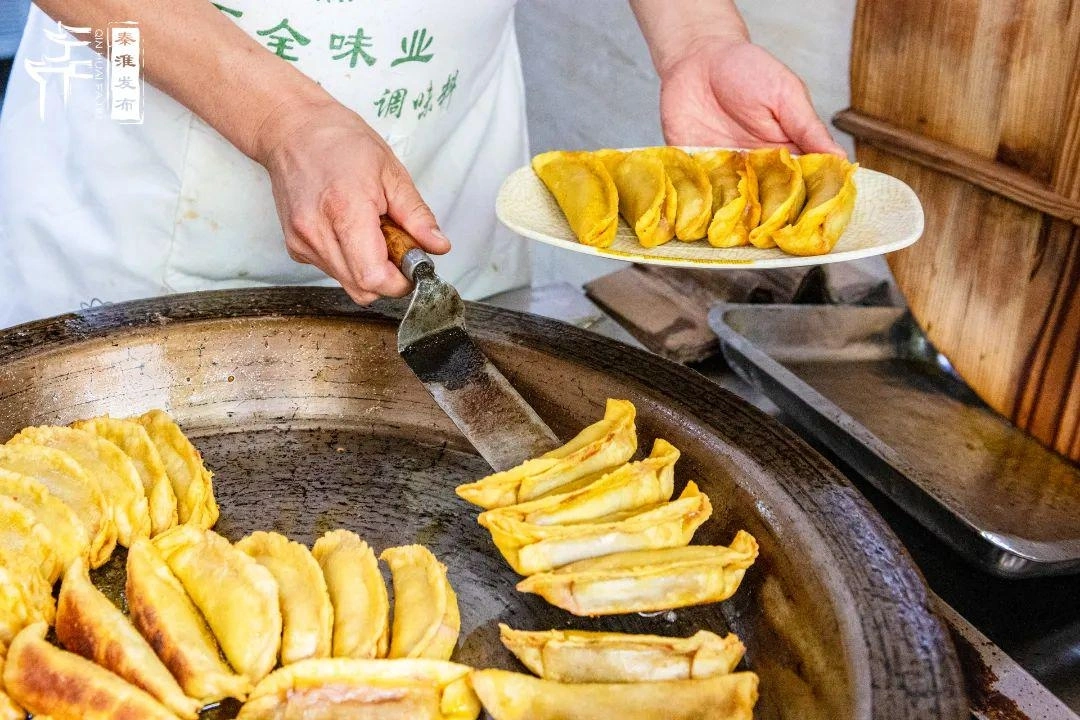
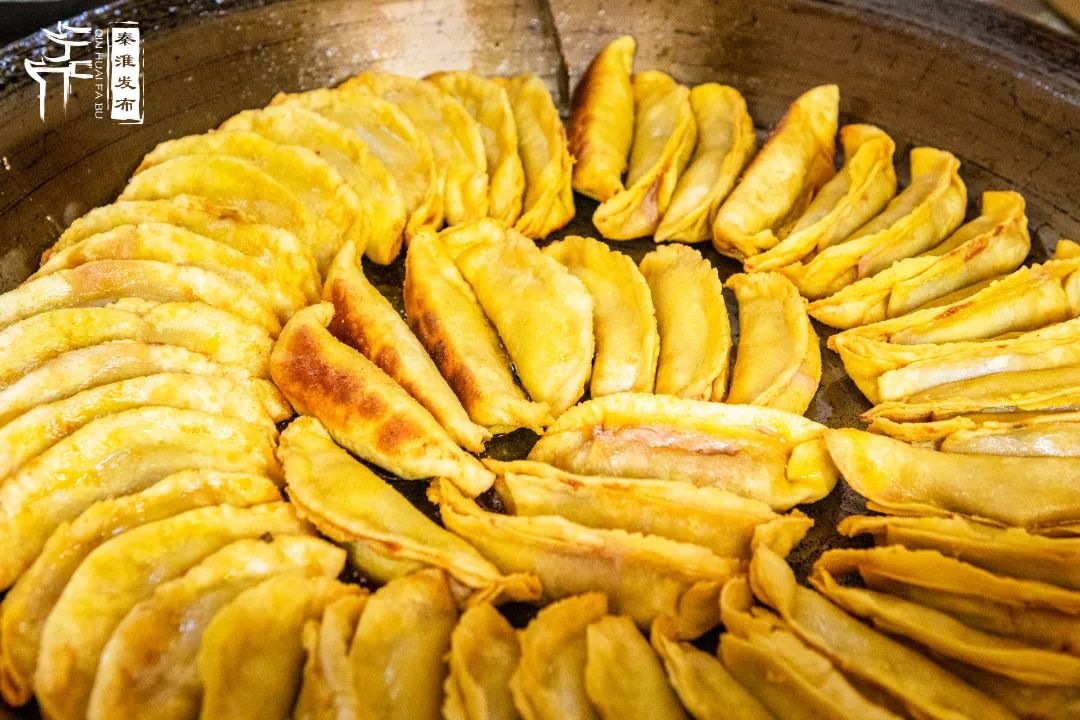
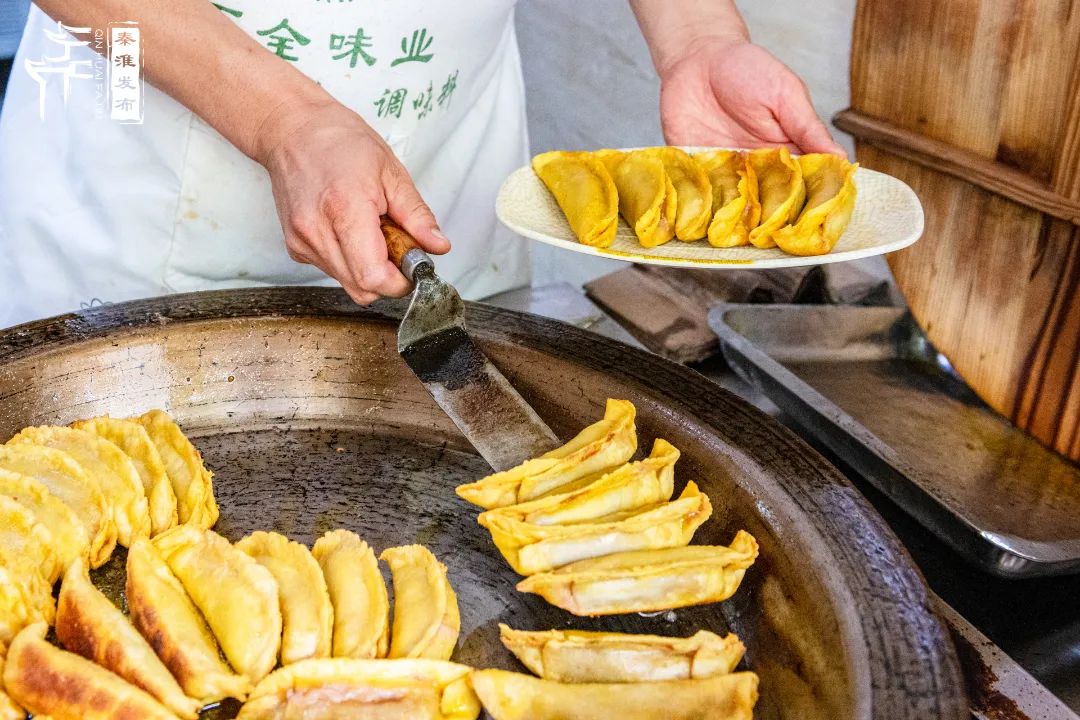
Beef Potstickers (Pan-Fried Dumplings)
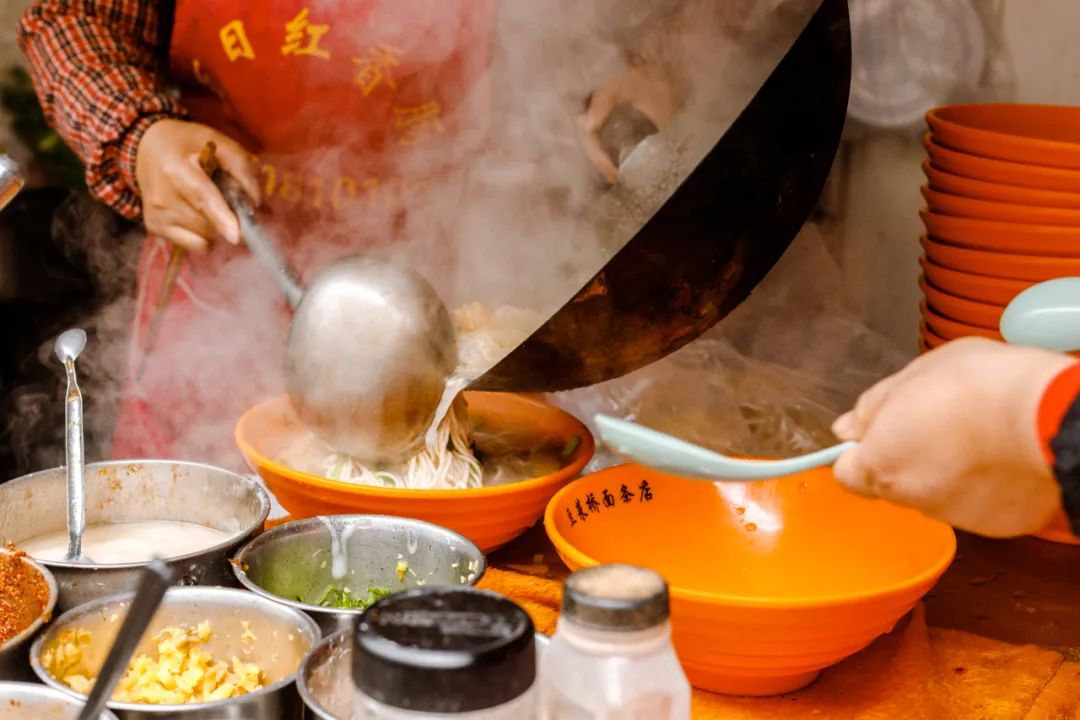
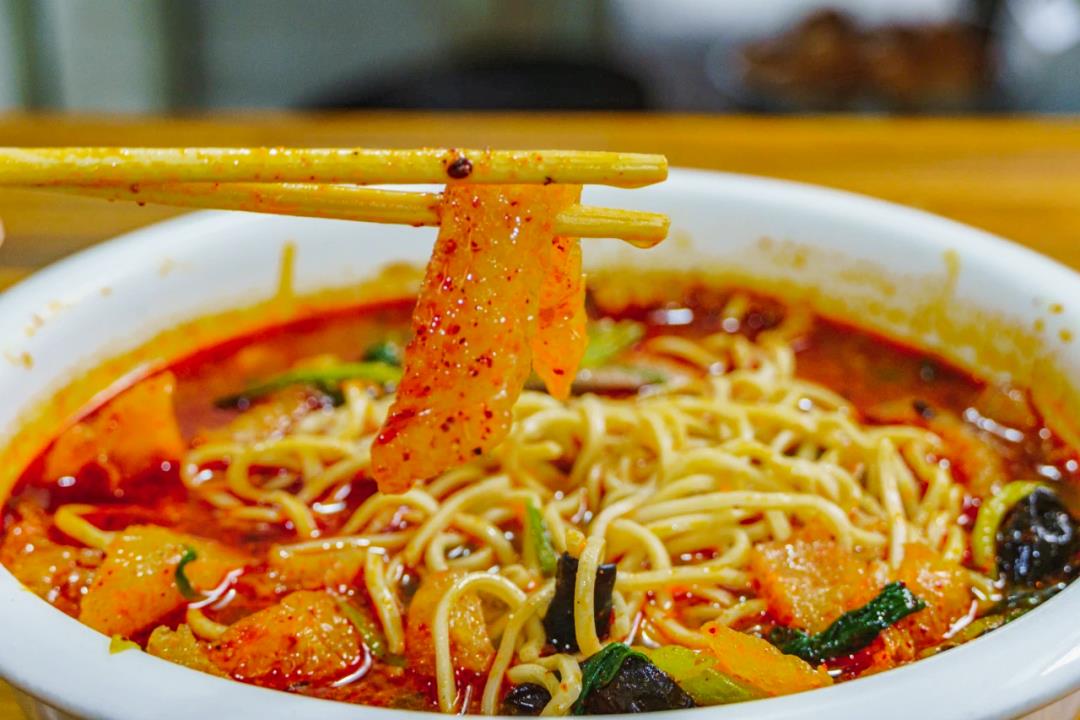
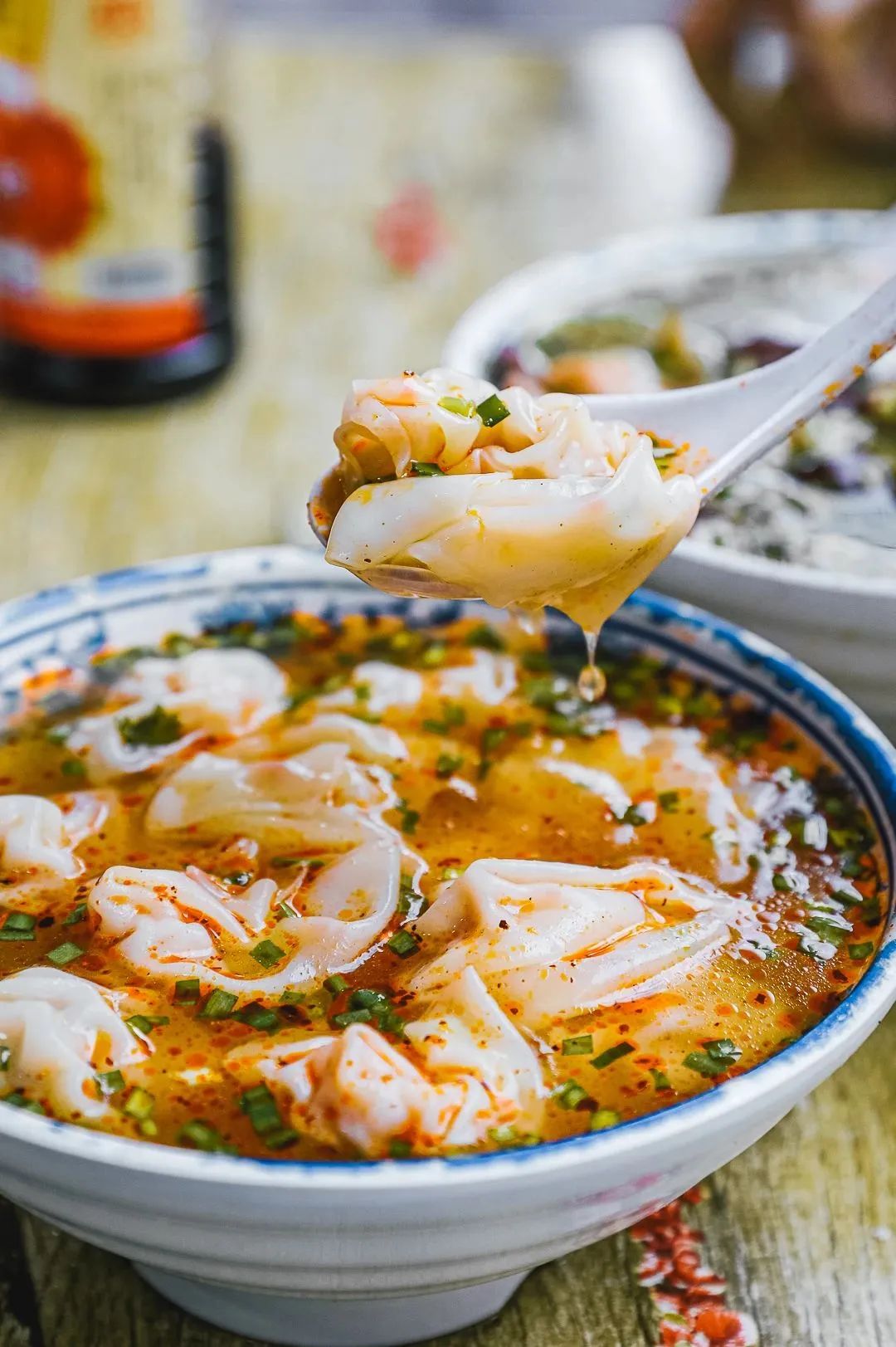
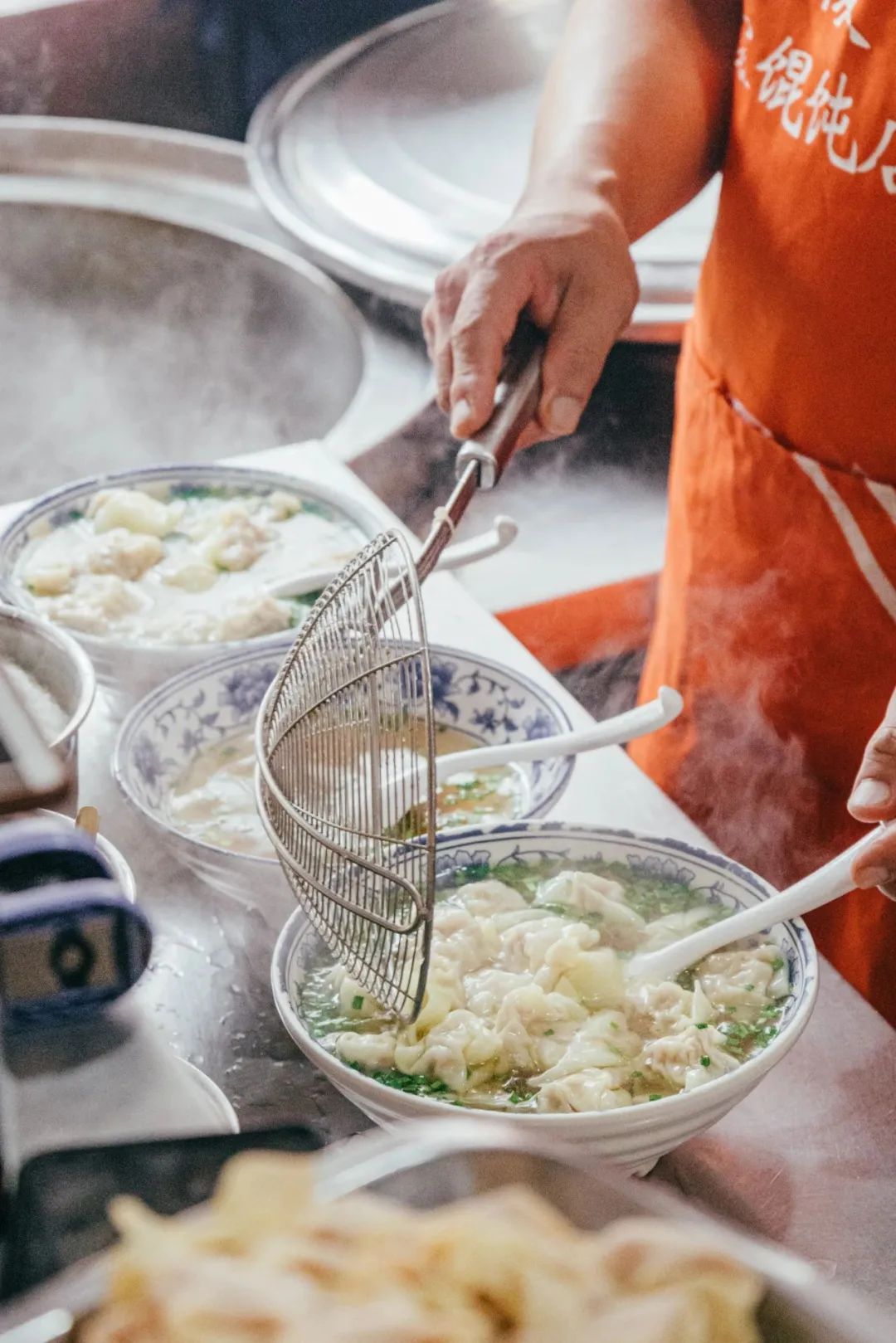
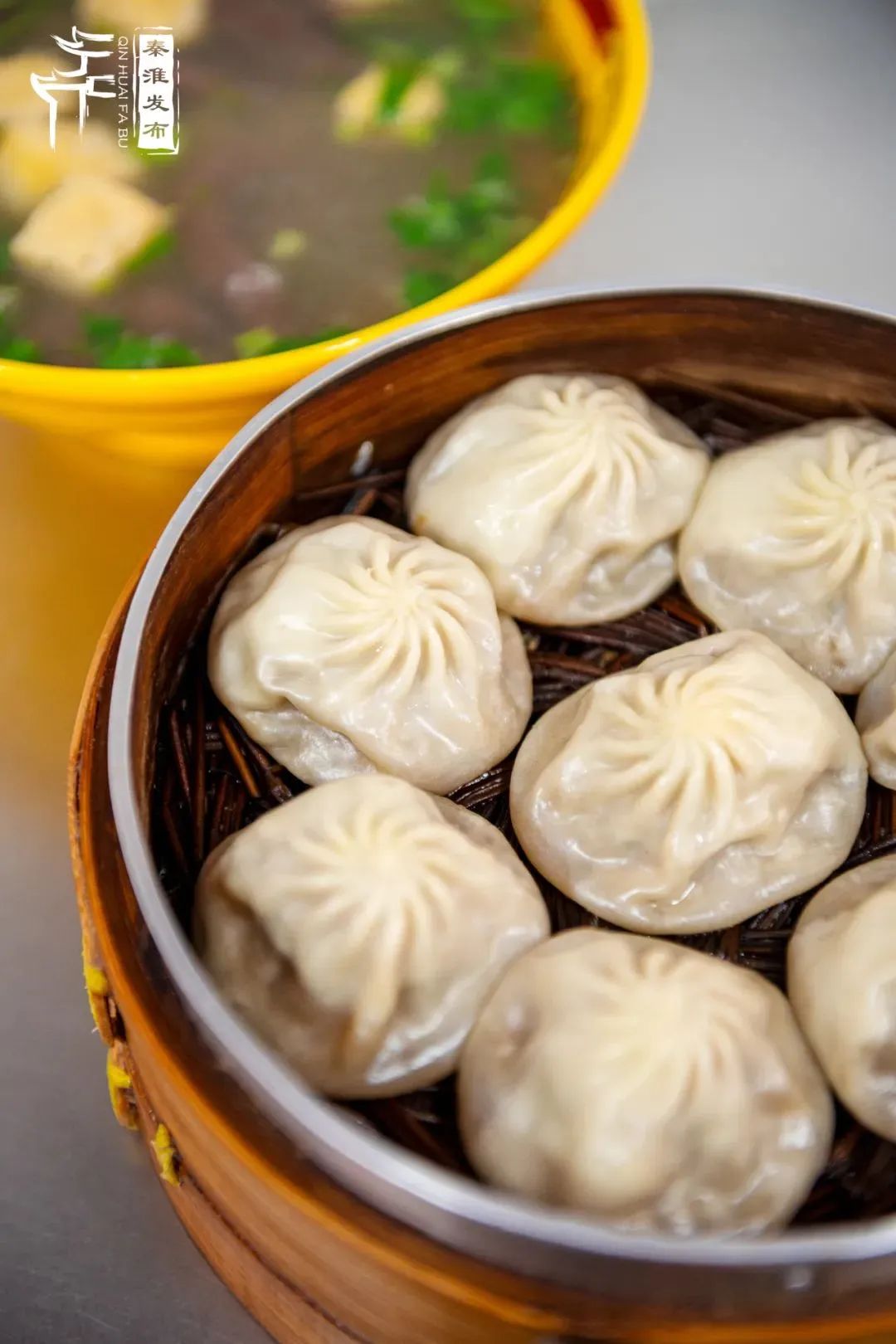
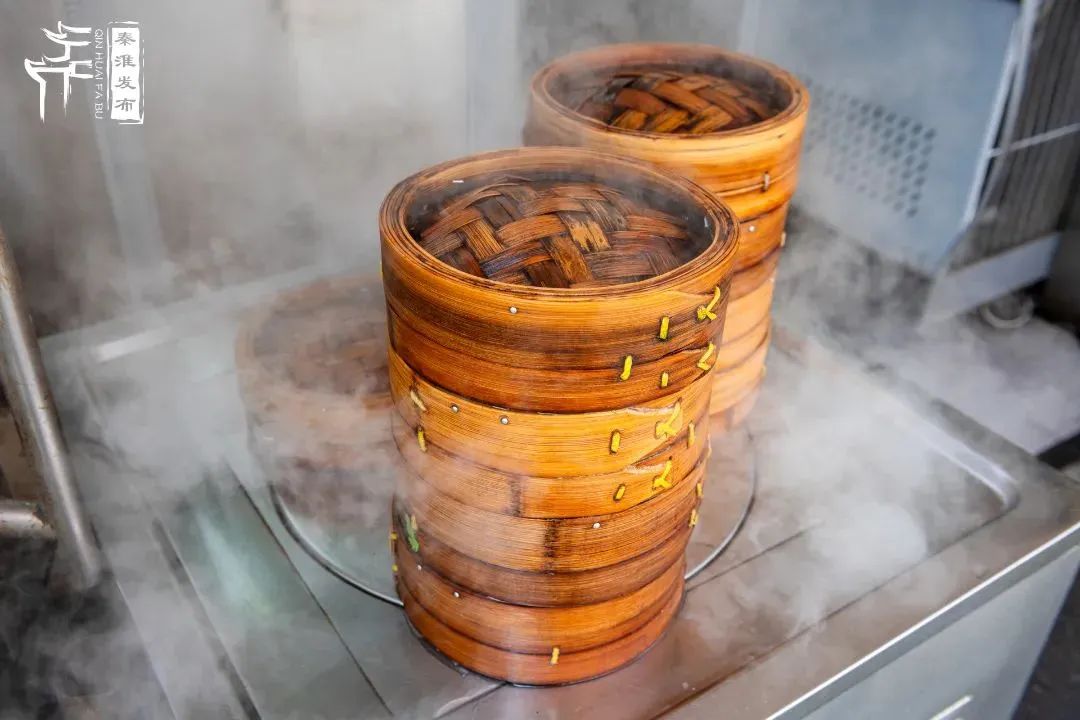
Delicious staple foods: noodles, wontons, and soup dumplings
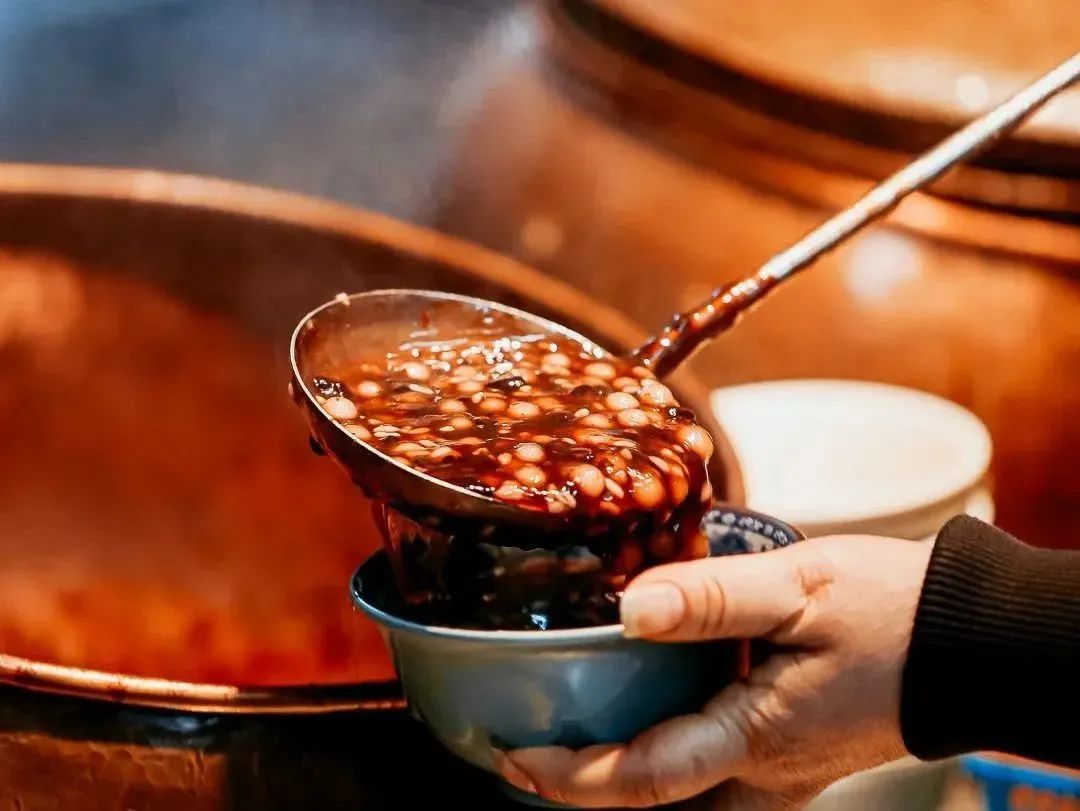
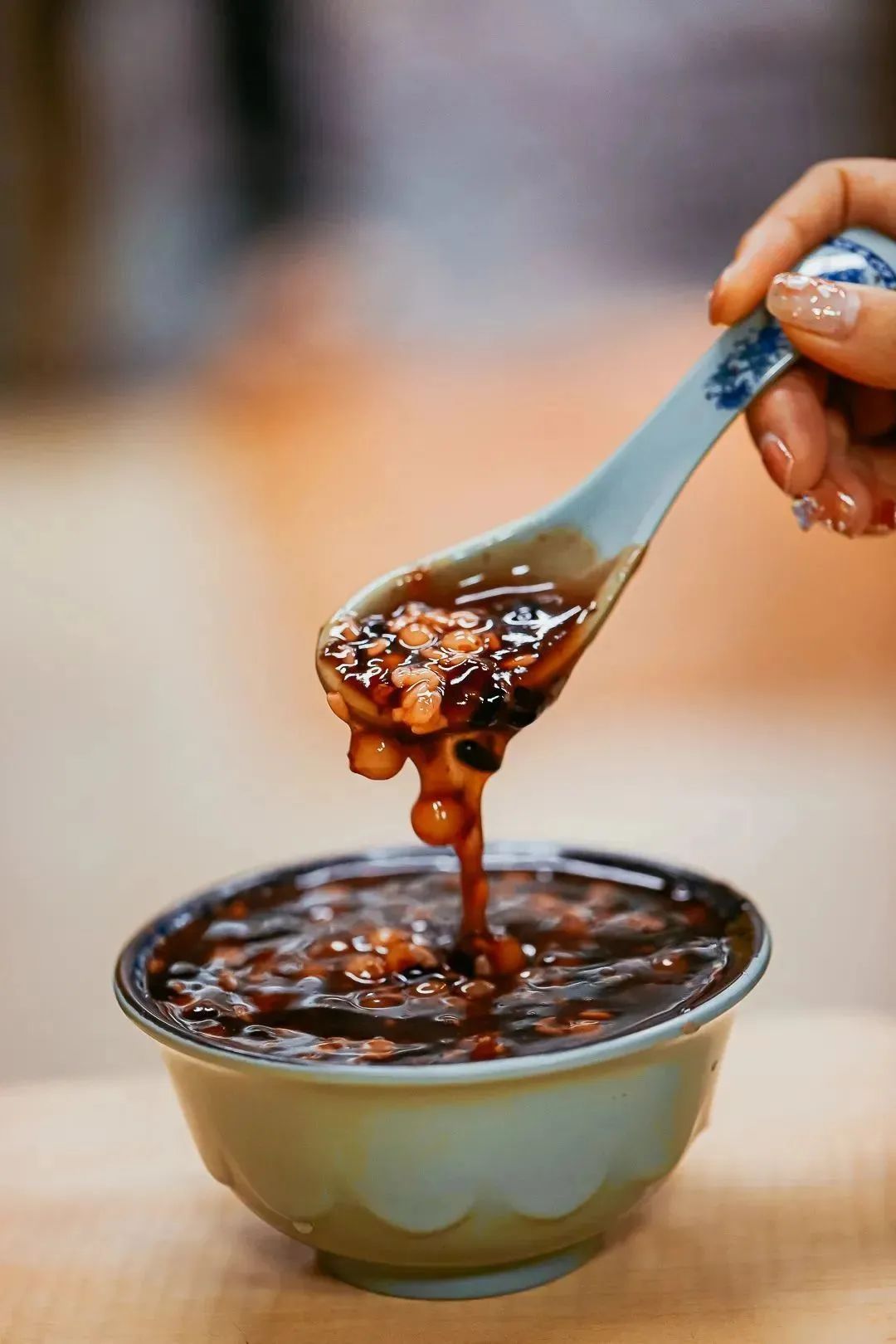
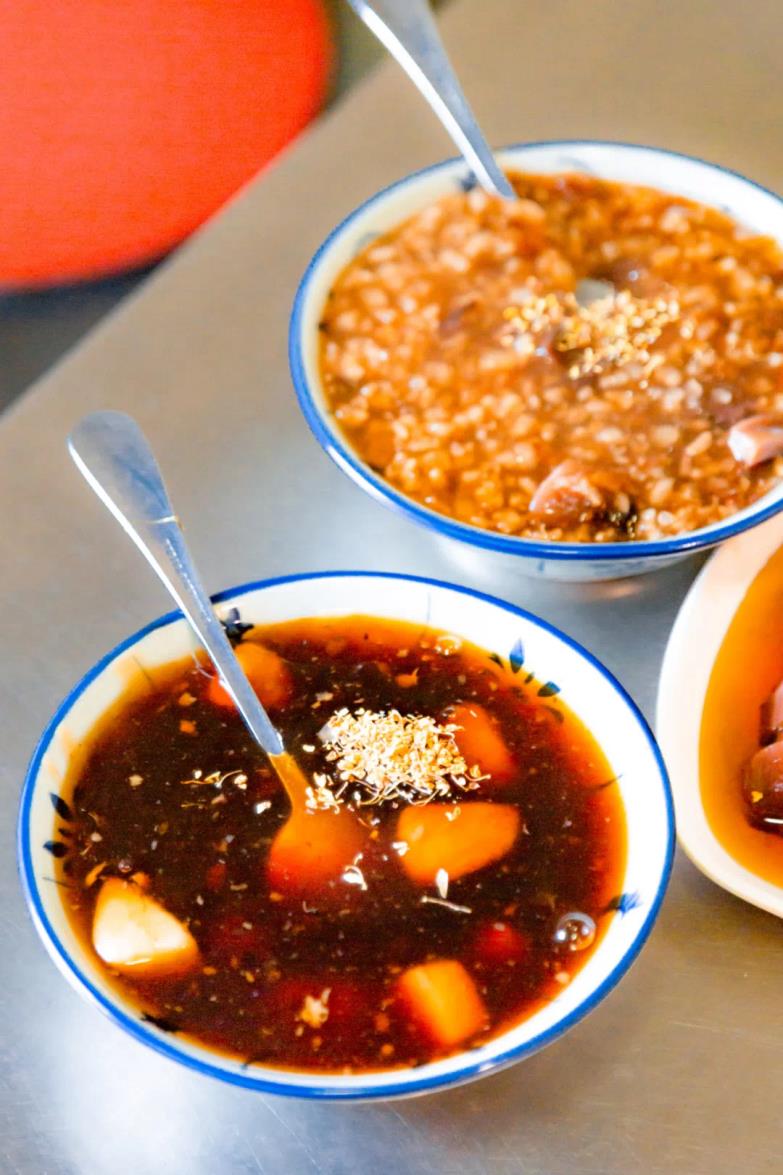
Chinese-style sweet soups: fermented rice sweet soup, red bean tangyuan, and osmanthus taro
Delicious duck dishes: roast duck and salted duck