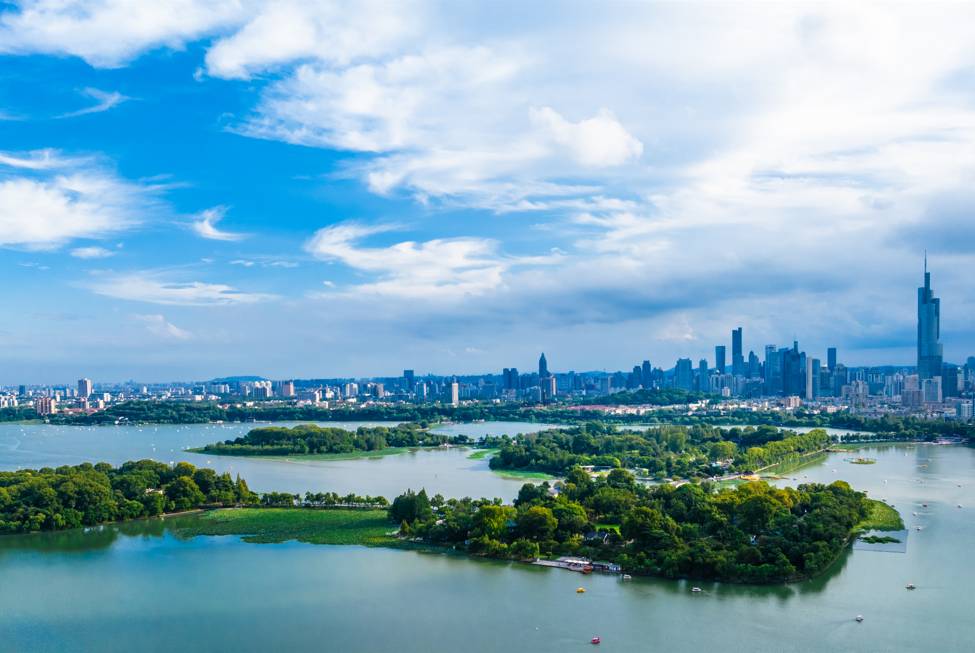
“Among all the scenic places in Jinling (Nanjing), none is more beautiful than Houhu (Xuanwu Lake).”
Xuanwu Lake is one of the three most famous lakes in the Jiangnan region and a National AAAA Tourist Attraction, National Water Conservancy Scenic Area, and National Key Park. It is the largest royal garden lake in China and the only surviving royal garden lake of the Jiangnan area.
Covering a total area of 5.13 square kilometers, the scenic area consists of 3.78 square kilometers of water and 1.35 square kilometers of land. The lake is composed of five interconnected islets—Huanzhou, Yingzhou, Liangzhou, Lingzhou, and Cuizhou—as well as Lovers’ Garden and a scenic lakeside road encircling the lake.
Xuanwu Lake offers breathtaking scenery throughout the year. Visitors can enjoy a variety of celebrated landscapes, including the lake’s historic city gates, willow-lined embankments, lotus-filled boardwalks, moonlit waterfronts, and cultural landmarks that together form the renowned Eight Scenic Views of Xuanwu Lake.
The lake’s greatest charm lies in its harmonious blend of natural beauty and cultural heritage. To the east rises the majestic Purple Mountain (Zijin Mountain), while to the west stands the ancient Ming City Wall, creating one of the most iconic landscapes in Nanjing. This unique combination perfectly embodies the city’s distinctive character as a place of mountains, waters, city walls, and greenery.
The founding emperor of the Ming Dynasty, Zhu Yuanzhang, once praised the scenery, saying that the clear waters of Xuanwu Lake beautifully reflect the verdant slopes of Purple Mountain. Renowned Chinese architect Yang Tingbao later described the relationship between Xuanwu Lake and Purple Mountain as “one of the finest examples of harmony between lake and mountain scenery in China.”
Today, Xuanwu Lake remains one of Nanjing’s most beloved landmarks, offering visitors a perfect blend of history, nature, recreation, and cultural heritage in the heart of the city.
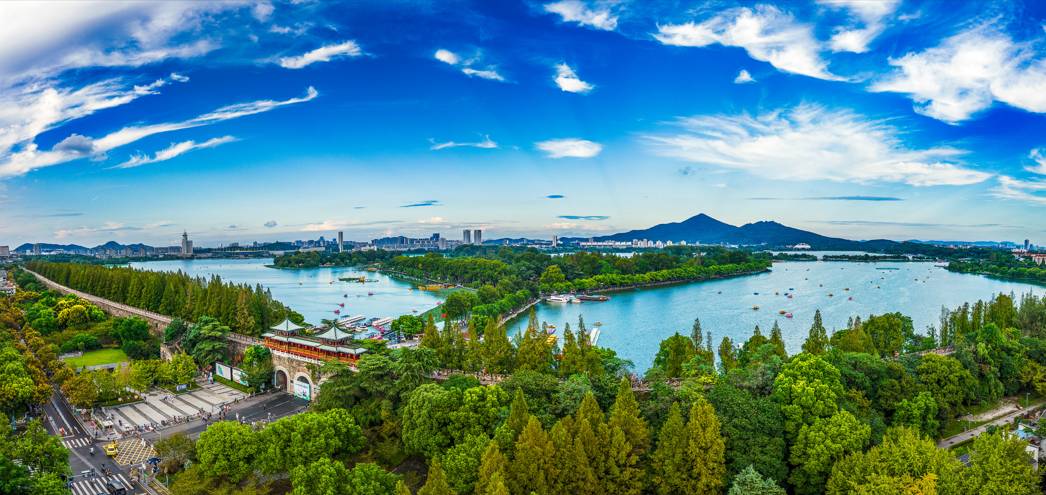
Its beauty also lies in its rich cultural and historical heritage.
Xuanwu Lake served as a royal garden during the Six Dynasties period, a place of inspiration and reflection for poets and scholars in the Tang Dynasty, and the site of the national archives during the Ming Dynasty. Like a living epic, it preserves and tells the story of Nanjing’s long and distinguished past, recording the collective memory of the ancient capital through centuries of history and cultural development.
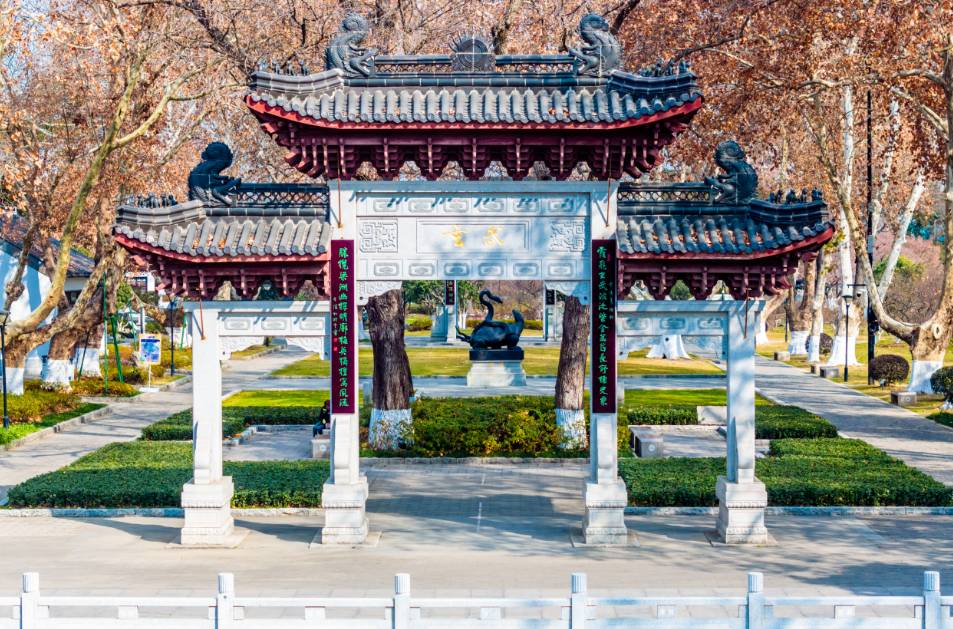
Its third charm lies in its thriving ecological environment.
With clear waters and lush green shores, Xuanwu Lake is renowned for its rich biodiversity and well-preserved ecosystem. The sight of migratory birds soaring above the lake, known as “Flying Waterfowl over Houhu”, has become one of Xuanwu Lake’s most distinctive ecological symbols. Every year, large numbers of migratory birds stop here to rest and overwinter, creating a vibrant natural habitat where wildlife and urban life coexist in harmony.
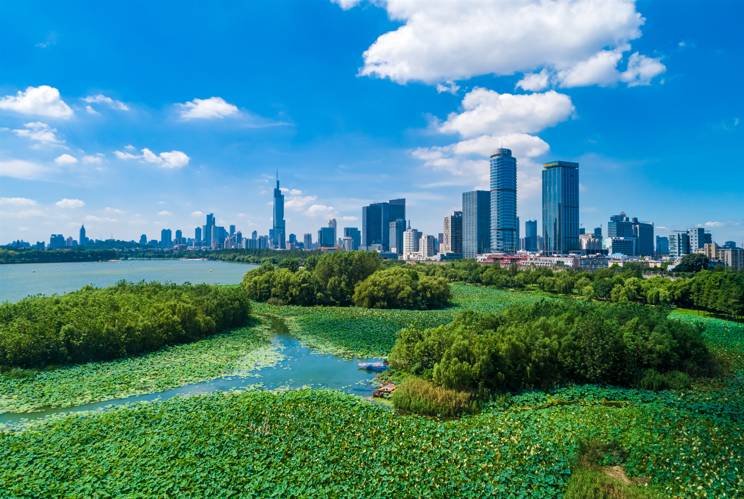
Its beauty also lies in its classical garden artistry.
Xuanwu Lake features the traditional Chinese garden layout of “one pond and three islands”, a classic design in ancient landscape architecture. The five islands on the lake each present unique and enchanting scenery: willow-lined mists on Huanzhou, flower seas on Yingzhou, autumn chrysanthemums on Liangzhou, misty hills on Lingzhou, and cloud-like forests on Cuizhou. Together, they form a harmonious and picturesque landscape that reflects the elegance of traditional Chinese garden art.