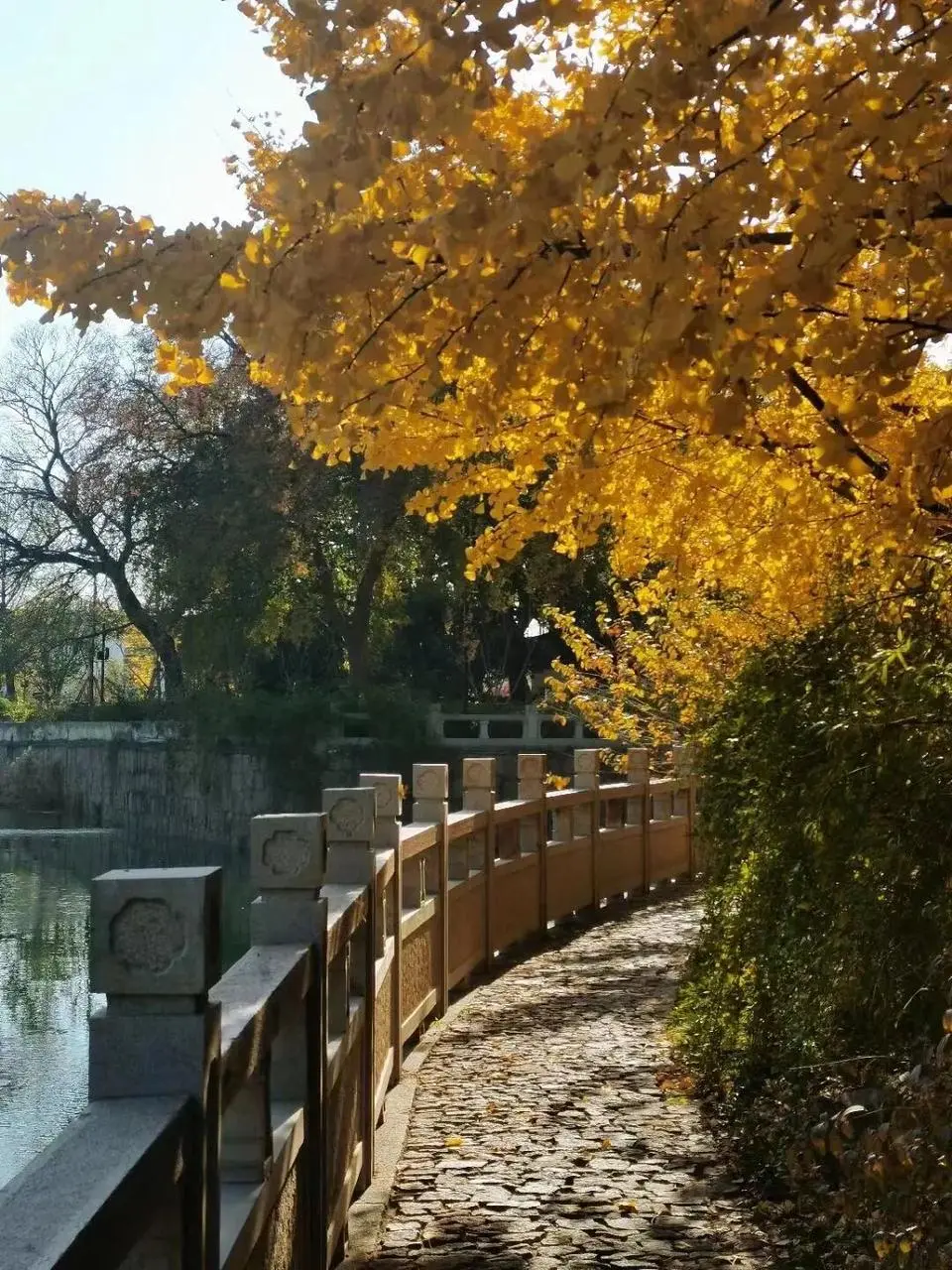
Tiger Hill, long known as the “No. 1 Scenic Spot in Wuzhong,” boasts a history of over 2,500 years. It is regarded by locals as the most beautiful “urban living room” of Suzhou and a must-visit destination for tourists. It is also a key cultural and tourism landmark strongly promoted by the municipal government, serving as the city’s premier site for historical and cultural heritage, the first choice for tourism and leisure, the leading city brand symbol, and a top destination for ecological livability and quality of life.


In recent years, Tiger Hill Scenic Area has comprehensively advanced integrated renovation and construction projects covering a total area of 72.8 hectares within the park. Guided by the principles of “scientific planning, unified management, strict protection, and sustainable utilization,” the area has been steadily improved through phased ecological conservation efforts. Projects such as the greenway enhancement along the surrounding Huan Shan River and the Huashen Garden site redevelopment have contributed to the gradual creation of a refreshed Tiger Hill landscape characterized by “green hills, pagoda silhouettes, clear waters, and beautiful riverbanks.”
Along the forest trails, deciduous tree species are gradually changing color with the seasons, blending harmoniously with evergreen vegetation to form a vibrant autumn landscape under blue skies and white clouds. Centered on the Tiger Hill Pagoda, surrounding areas have undergone ecological restoration, forest structure optimization, and woodland maintenance measures, promoting sustainable green development.
Focusing on ecological restoration, the project strengthens the protection of forest resources. In response to issues such as degraded ground vegetation and low soil nutrient levels, targeted zone-based management and precise forest tending have been implemented to rehabilitate the original ecological environment and enhance the quality and stability of the ecosystem. Meanwhile, ongoing forest structure improvement efforts continue to enrich the landscape along the walking trails.
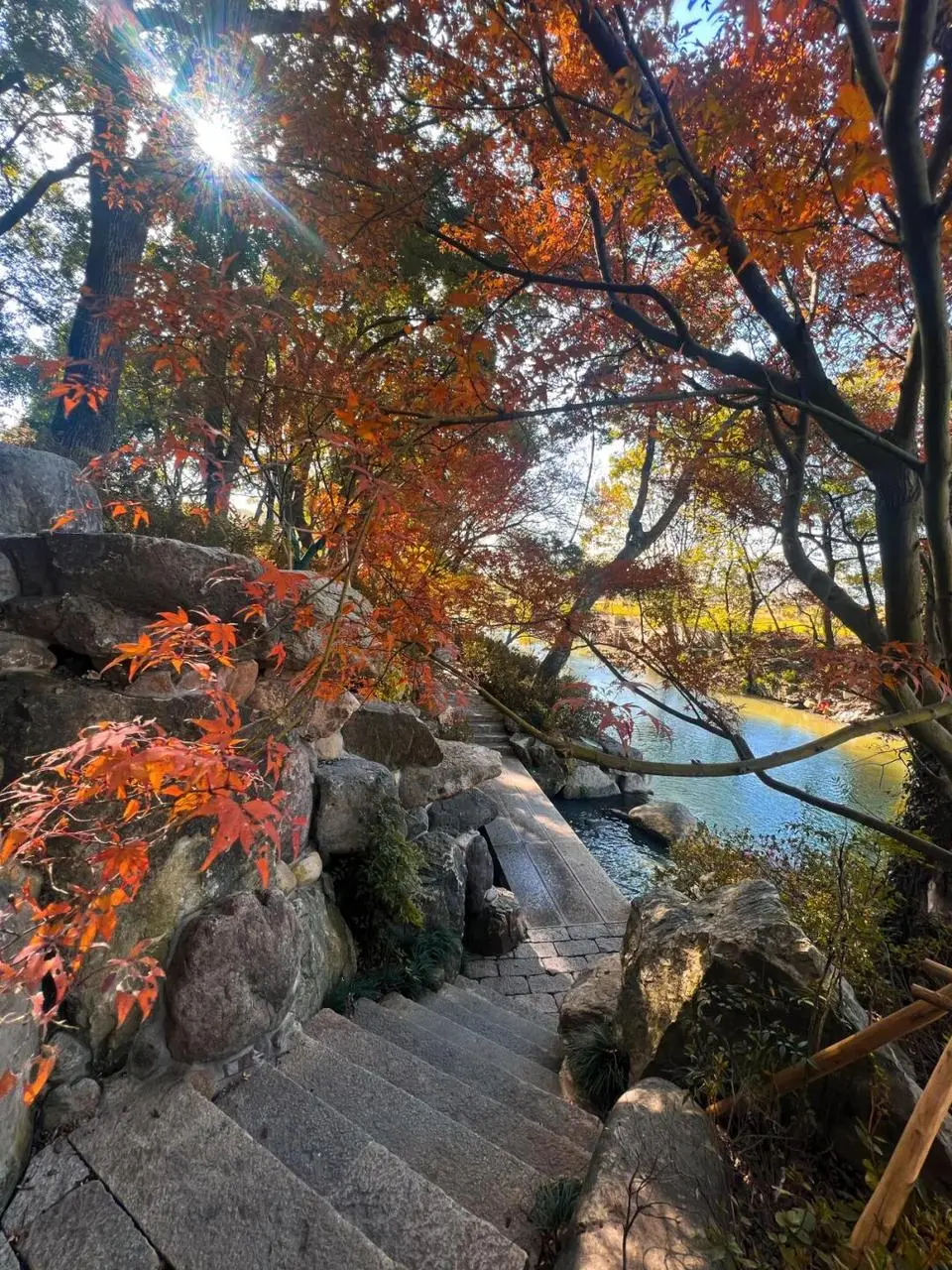
In combination with the existing trails, trees and shrubs with distinct seasonal characteristics have been planted. On the western side of the walkway, a red maple forest and a sea of azaleas featuring autumn highlights have been introduced, creating a waterside gallery landscape with vividly changing foliage throughout the seasons. On the eastern side, a more balanced visual rhythm of density and openness has been emphasized, with supplementary planting of flowering and ornamental trees such as red plum, ginkgo, and camellia, encouraging visitors to pause and enjoy the scenery.
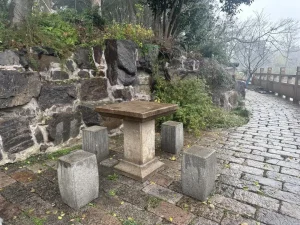
The functional layout has also been optimized to better meet visitor needs. In the waterside viewing platform area, stone tables and benches have been newly installed to provide more human-centered services, supporting activities such as hiking, fitness, leisure, and recreation for visitors.
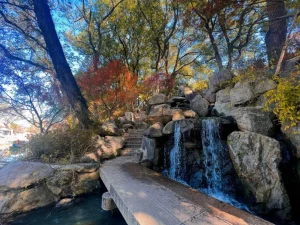
In combination with the existing trails, trees and shrubs with distinct seasonal characteristics have been planted. On the western side of the walkway, a red maple forest and a sea of azaleas featuring autumn highlights have been introduced, creating a waterside gallery landscape with vividly changing foliage throughout the seasons. On the eastern side, a more balanced visual rhythm of density and openness has been emphasized, with supplementary planting of flowering and ornamental trees such as red plum, ginkgo, and camellia, encouraging visitors to pause and enjoy the scenery.
The functional layout has also been optimized to better meet visitor needs. In the waterside viewing platform area, stone tables and benches have been newly installed to provide more human-centered services, supporting activities such as hiking, fitness, leisure, and recreation for visitors.