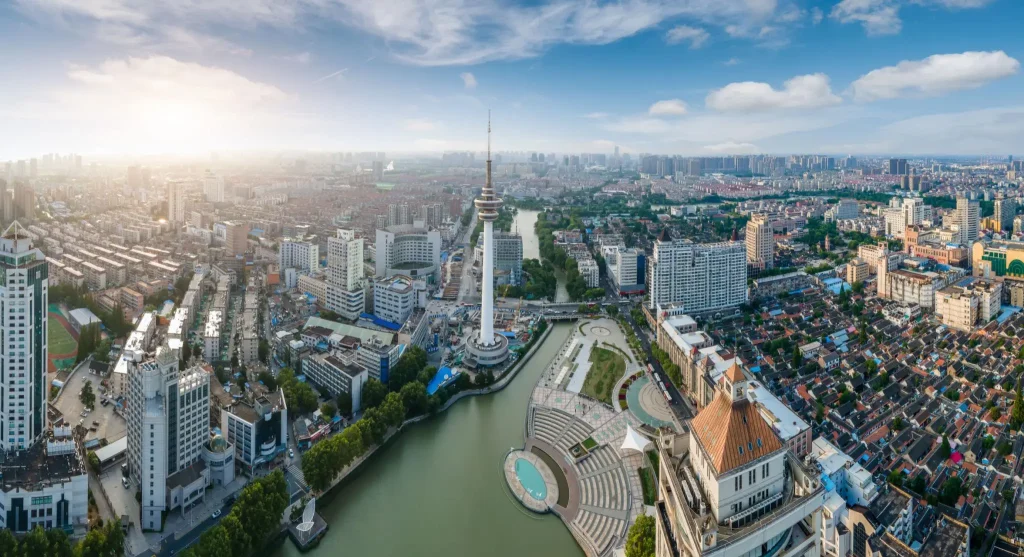
Nantong’s modern identity is inseparable from one remarkable figure—Zhang Jian, a late Qing Dynasty scholar, industrial pioneer, and educator. According to official historical records and museum documentation, Zhang Jian founded the Nantong Museum (Nantong Museum of China) in 1905, making it the first public museum in China established by a Chinese intellectual.
Beyond founding the museum, Zhang Jian devoted his life to transforming Nantong into an early model of modern urban development in China. He promoted a unique philosophy that combined industry, education, and public welfare, laying the foundation for what later became known as the “Nantong Model” of modernization.
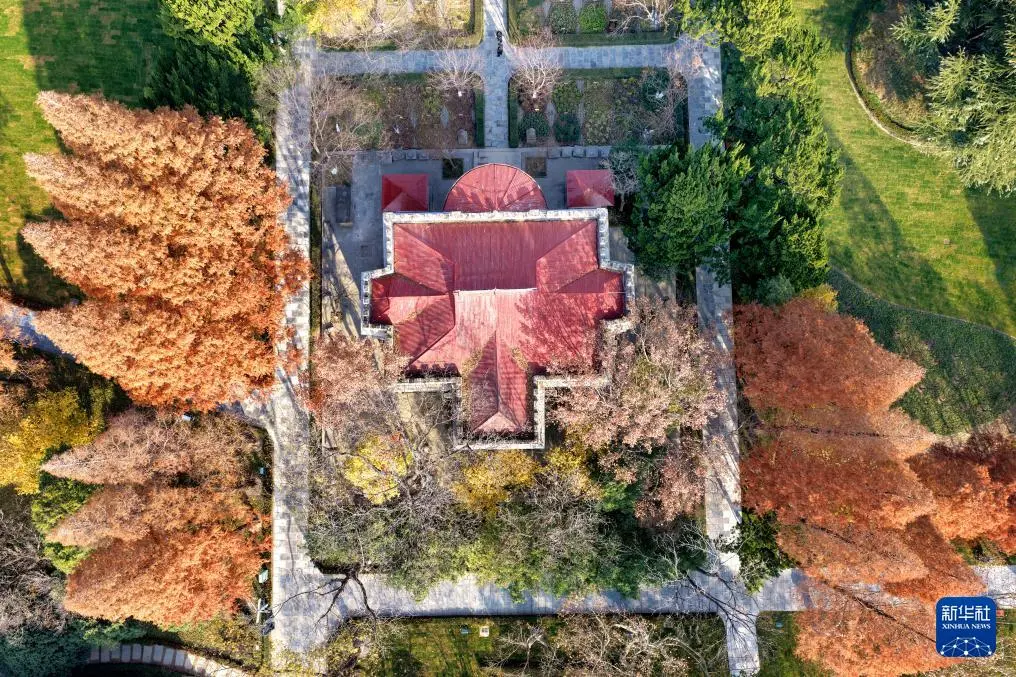
Historical sources show that Zhang Jian established more than 20 enterprises and over 370 educational institutions, including schools for industry, agriculture, medicine, and teacher training. His idea of “education supporting industry and industry sustaining education” became a pioneering model of Chinese modernization in the early 20th century.
At the same time, he invested heavily in public welfare, building libraries, museums, theaters, and social service institutions. This integrated system made Nantong one of the earliest cities in China to adopt a comprehensive approach to modernization, earning it the reputation of a “prototype of modern Chinese cities.”
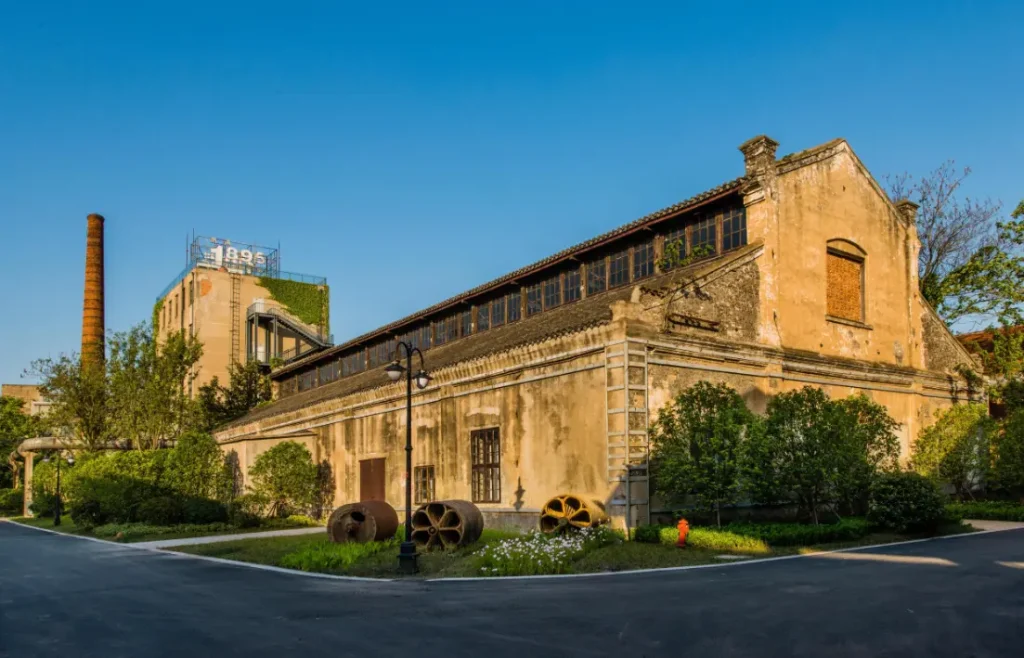
Nantong Museum: The First Public Museum in China
The Nantong Museum, founded by Zhang Jian in 1905, is officially recognized as the first public museum in China. It was designed not only as a cultural institution but also as an educational space integrating natural history, art, and public learning.
The museum complex follows a garden-style layout, combining exhibition halls, botanical elements, and educational displays. Its original design reflected Zhang Jian’s vision that a museum should serve both academic study and public enlightenment, making culture accessible to ordinary citizens.
Today, the museum preserves Zhang Jian’s legacy and continues to serve as a key landmark for understanding the origins of modern Chinese civic culture.
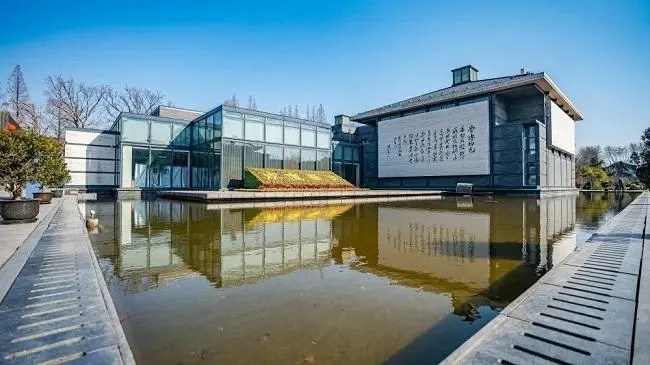
The Legacy of a Visionary City
Today, Zhang Jian’s influence can still be seen throughout Nantong—from its urban layout along the Haohe River to its integration of education, culture, and industry. The city continues to evolve as a modern riverside hub while preserving its historical identity.
Nantong is often described in official cultural narratives as one of China’s earliest examples of systematic urban modernization, where heritage and innovation coexist. Zhang Jian’s vision remains a living legacy, shaping the city’s cultural identity more than a century later.